


To use XMind, create a new map, write a central topic, add main topics and subtopics, reorganize the branches, apply a readable structure, and export or share the finished map. Start with the hierarchy of ideas before styling it; color cannot repair a map whose branches mix unrelated levels.
This guide explains that workflow and then compares XMind with Boardmix. XMind is a focused mind-mapping product, while Boardmix is an online whiteboard that can place a mind map beside notes, diagrams, documents, and workshop material. The better choice depends on the job, not on a universal winner.
What XMind Is Best Used For
XMind is designed for structured mind mapping. It is well suited to outlining a document, studying a topic, planning a presentation, breaking down a problem, and turning a central idea into a hierarchy. The current XMind feature overview describes desktop, mobile, and web experiences, multiple map structures, presentation features, sharing, and export options.
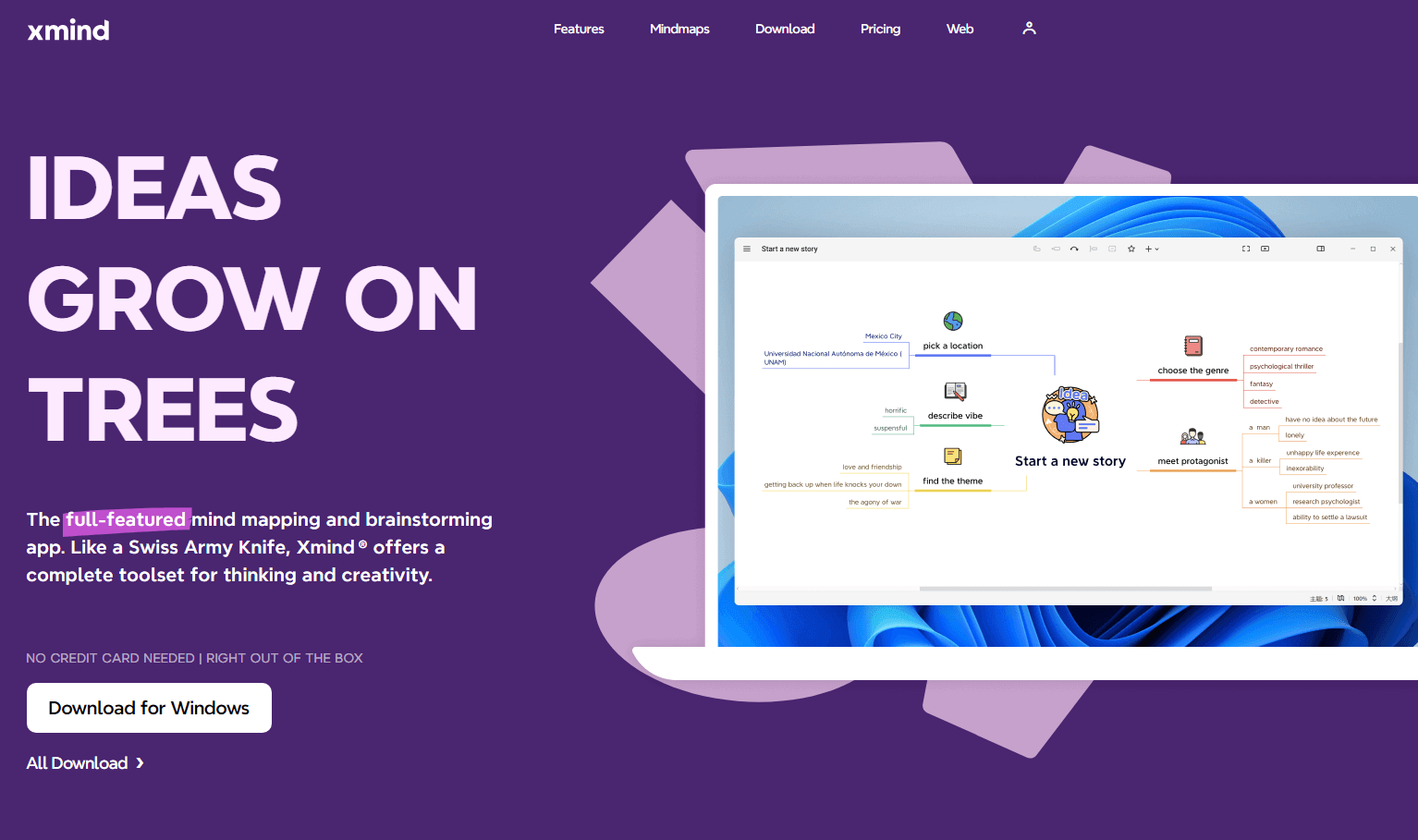
Use a mind map when the relationships are mainly hierarchical: one subject branches into categories, which branch into details. If the work depends on process flow, spatial workshop activities, many unrelated artifact types, or free-form group facilitation, a broader whiteboard may be a better fit.
How to Download or Open XMind
Use the official XMind download page to select the current desktop app for your operating system. XMind also offers a web experience, so check the official product page if you prefer to work in a browser. Avoid third-party installers because they may be outdated or modified.
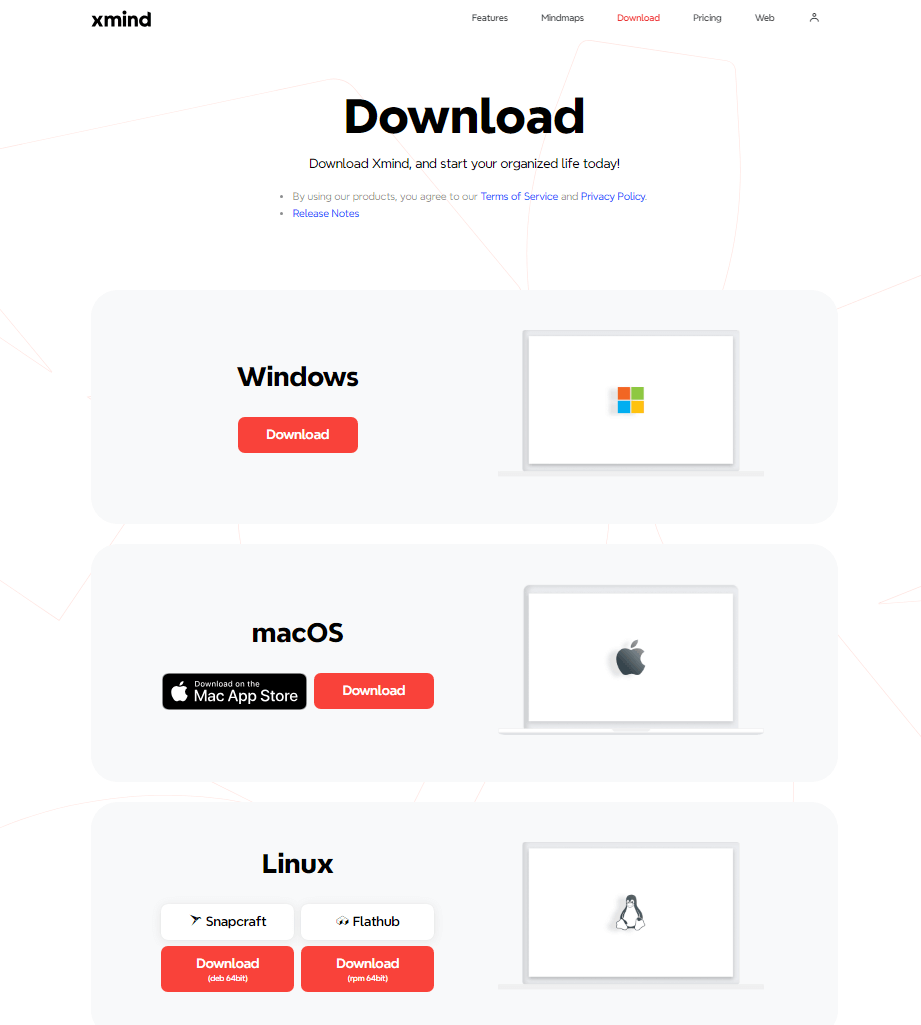
After installation, sign in only if the workflow you choose requires account-based sharing or synchronization. Availability, collaboration permissions, storage, export formats, and watermarks may differ by plan and product version, so confirm them in the current XMind documentation before making a team-wide decision.
How to Use XMind Step by Step
- Create a map. Start from a blank file when you know the hierarchy, or choose a template whose structure matches the task.
- Name the central topic. Use a short phrase that defines the subject and keeps every branch in scope.
- Add main topics. Create a small set of distinct categories at the same level, such as goals, audience, evidence, risks, and next steps.
- Add subtopics. Break each category into facts, questions, decisions, or tasks. Keep one idea per node.
- Reorganize the hierarchy. Drag branches, promote or demote topics, and merge duplicates until each level is logically consistent.
- Add relationships and notes selectively. Use non-hierarchical connections only when they clarify an important dependency; put evidence or detail in notes rather than overloading node labels.
- Apply structure and style. Choose a map structure, spacing, colors, and markers that reveal meaning. Maintain sufficient contrast and do not use color as the only status signal.
- Review and share. Collapse and expand branches to test the outline, then export or share it in the format appropriate for the audience.
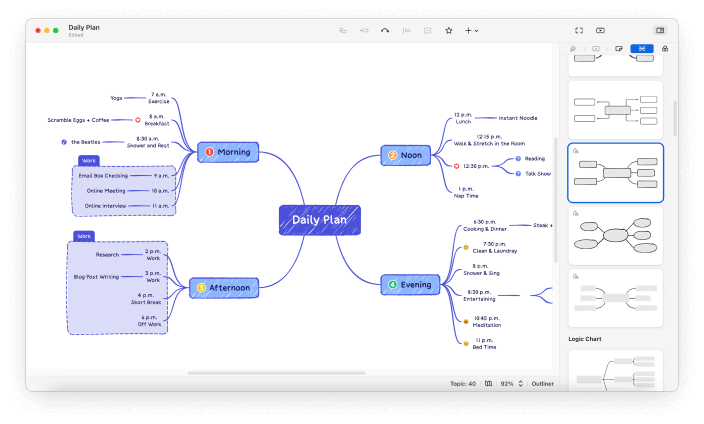
A useful review test is to read only the central topic and first-level branches. They should summarize the complete subject without overlap. Then inspect each branch and ask whether its children are the same type of information.
How XMind Sharing and Plans Affect the Workflow
XMind's plan and sharing rules can change, so avoid relying on an old feature or price list. The current XMind sharing and collaboration guide should be the source of truth for viewer access, editing permissions, and plan requirements.
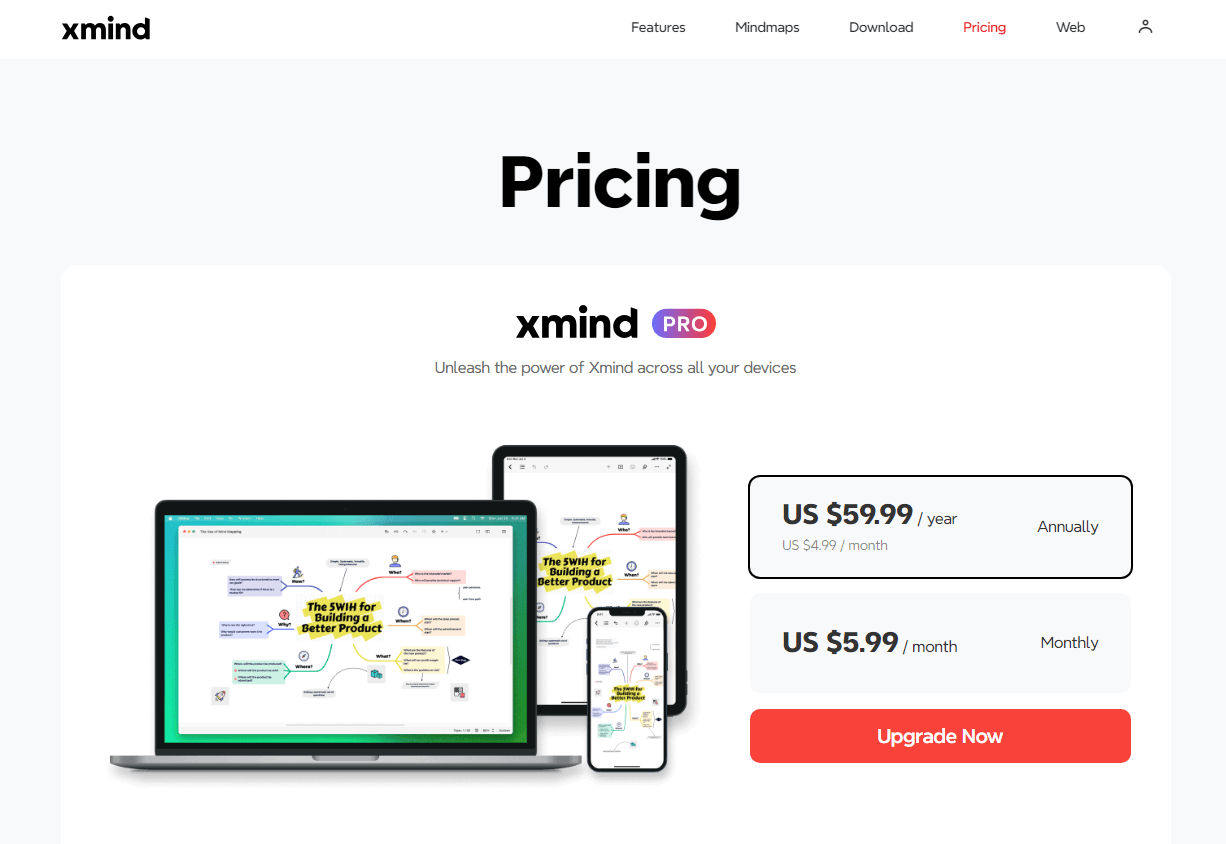
Before adoption, run one representative test: create a map, invite the required reviewer roles, check whether simultaneous editing and comments work as expected, export the formats your organization needs, and confirm what a guest sees. That test is more reliable than a generic claim that every feature is free or available on every device.
When an Online Whiteboard Is a Better Fit
A mind map can be one artifact inside a larger workshop. Teams may also need sticky notes, process diagrams, reference images, documents, voting, or a presentation area on the same canvas. In that situation, Boardmix can be used as the online whiteboard around the map rather than being described as a dedicated XMind replacement.
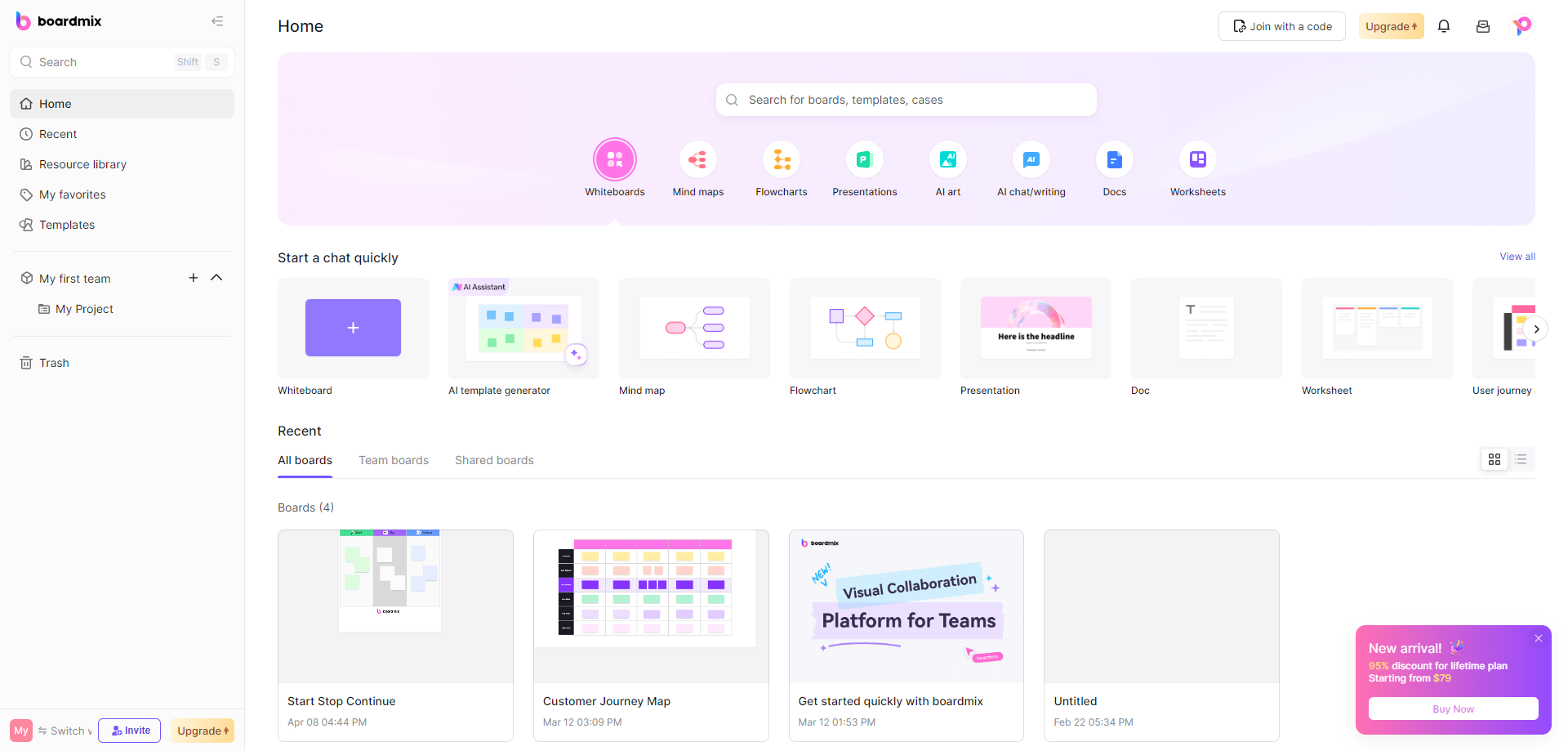

Use this broader workspace for a planning session in which participants first collect evidence, cluster ideas, convert the clusters into a mind map, and then connect decisions to follow-up tasks. The mind map remains the hierarchy; the surrounding board carries the workshop context.
Creating a Mind Map in Boardmix
Start with a central topic and add branches manually, from a template, or with the Boardmix AI mind map when a generated first draft is appropriate. Treat AI output as suggestions: verify facts, remove repeated branches, and rewrite labels so the hierarchy reflects the team's actual reasoning.
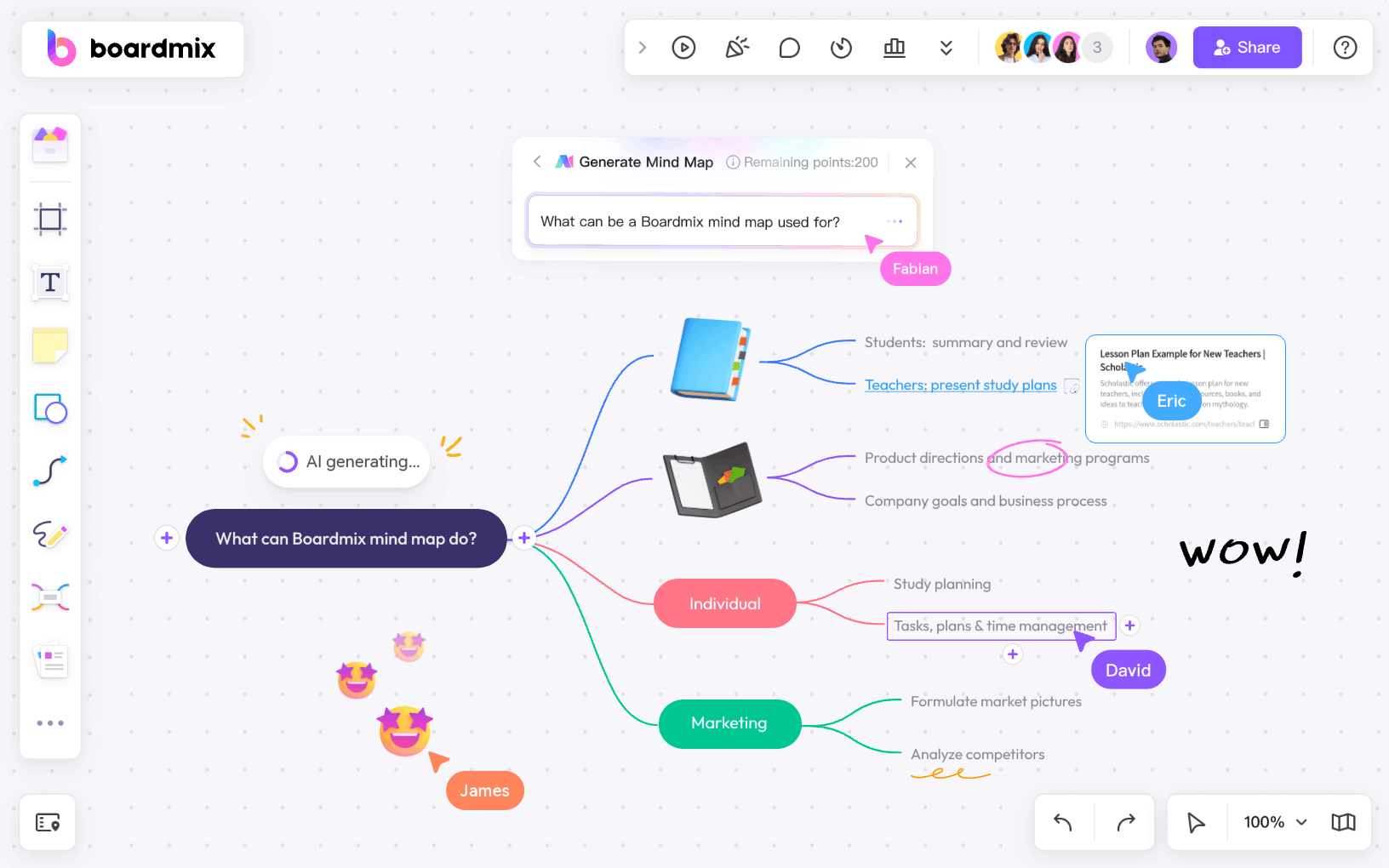
For a repeatable session, place the prompt or source material beside the map, give each main branch an owner, and use comments for unresolved questions. This makes the reasoning visible without forcing discussion notes into the map itself.
Templates, Sharing, and Export in Boardmix
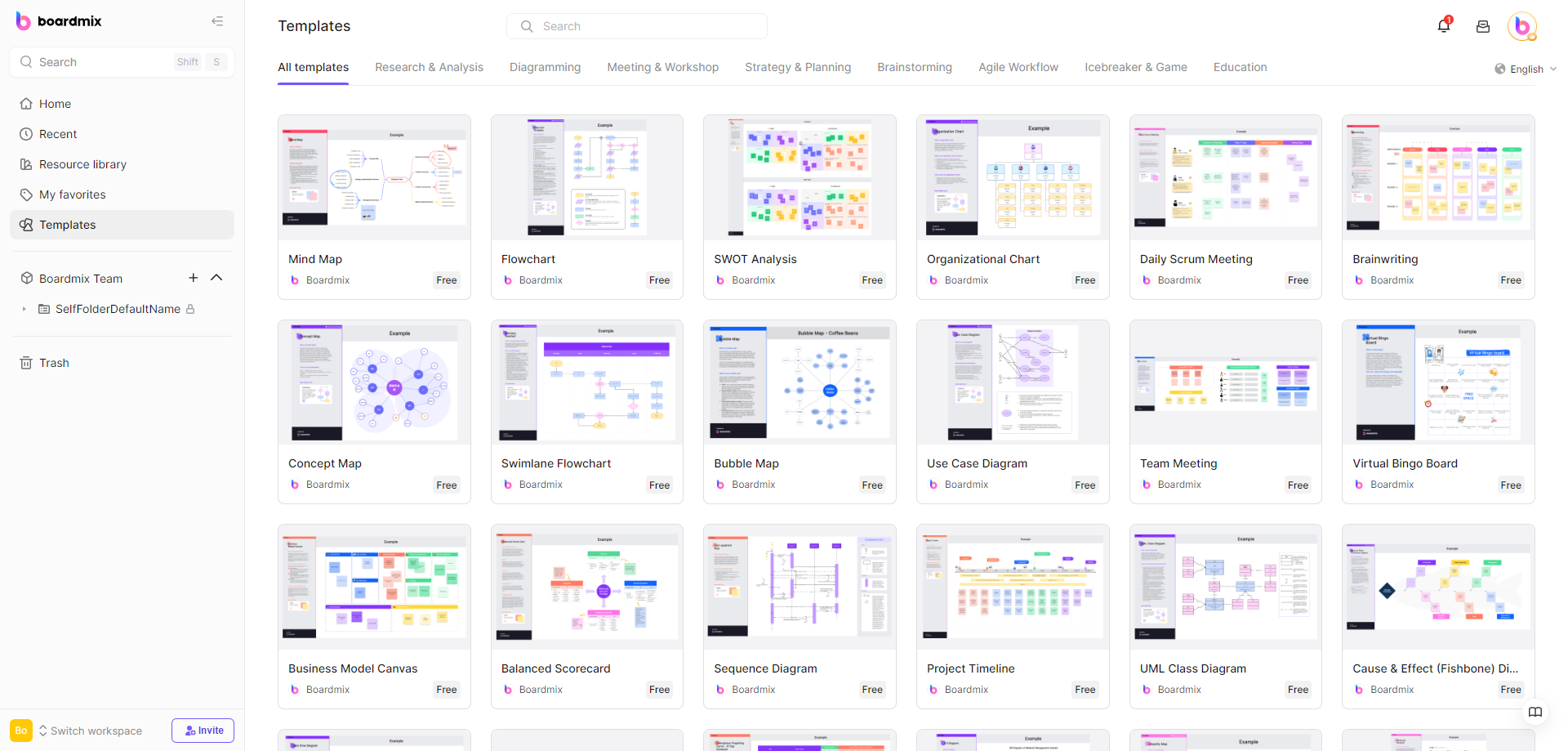
A template can reduce setup time, but choose it for structure rather than appearance. The Boardmix mind mapping workspace is most useful when the team wants to keep the map together with other visual planning material and review it on a shared canvas.
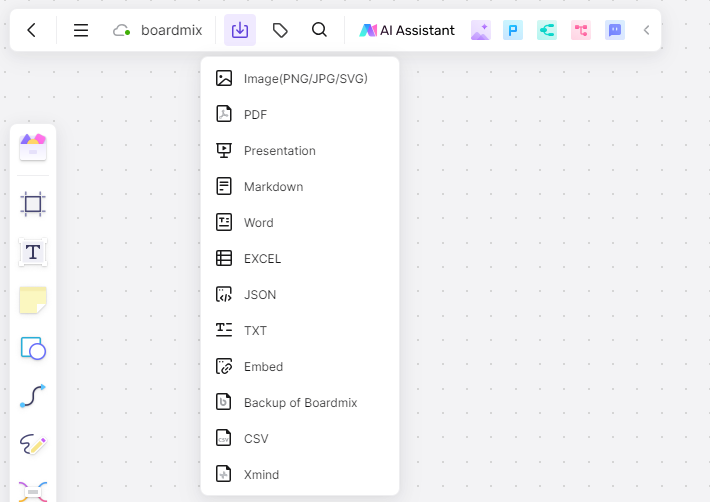
Before distributing the result, check that exported text is legible, branches are not clipped, colors retain contrast, and the chosen format suits the audience. Keep the editable source available for future updates rather than treating the export as the only copy.
XMind vs Boardmix: Practical Comparison
| Decision criterion | XMind | Boardmix |
|---|---|---|
| Primary workspace | Focused mind-mapping environment | Multi-format online whiteboard |
| Best starting point | A central topic and hierarchical outline | A workshop, shared canvas, or mixed visual project |
| Mind-map depth | Strong fit for structured maps and presentation of branches | Mind maps can sit beside notes, diagrams, files, and other board content |
| Collaboration | Sharing and real-time collaboration depend on the current product and plan | Designed for shared online-board review and co-editing |
| Choose it when | The mind map itself is the main deliverable | The map is one part of a broader collaborative workflow |
| Validate before rollout | Guest access, plan limits, export formats, and device workflow | Board permissions, export fidelity, and whether the broader canvas helps the team |
Choose XMind when you need a focused hierarchy with a dedicated mind-mapping workflow. Choose Boardmix when a mind map must be created and discussed alongside research, notes, diagrams, and other team artifacts. For a consequential decision, test the same real project in both products instead of comparing marketing feature counts.
Decision Checklist
- Is the mind map the final deliverable, or only one part of a workshop?
- Will contributors work alone, asynchronously, or simultaneously?
- Which guest permissions, comments, and review controls are required?
- Which export formats and accessibility checks must the final map pass?
- Does the team need offline work, cross-device access, or a browser-only workflow?
- Can the map be maintained after the initial session without losing its hierarchy?
Answer those questions with a representative pilot. A polished demo map is not enough; the deciding evidence is whether contributors can build, review, share, and update the map under real working conditions.