


Recent articles
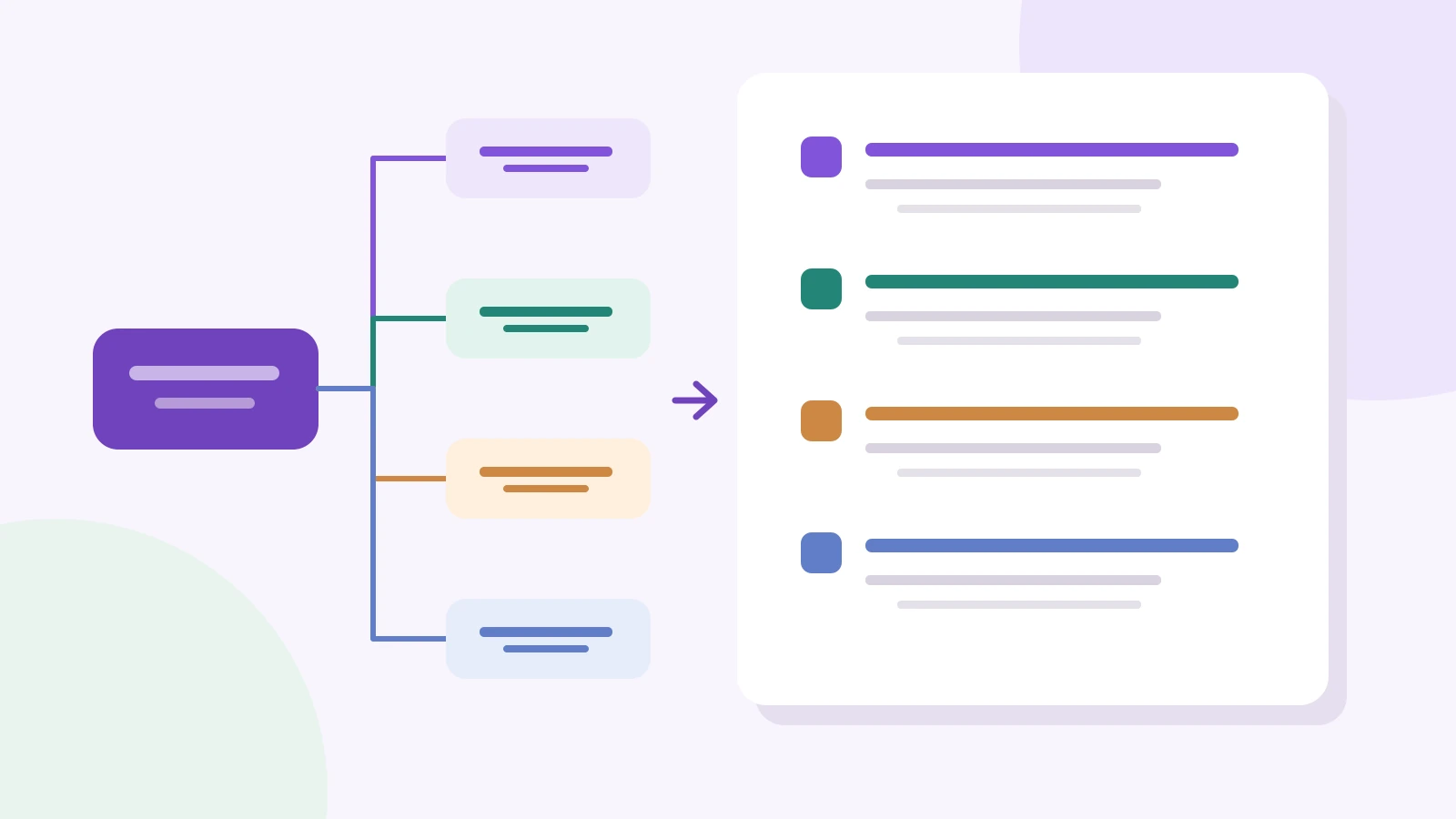
How to Turn a Mind Map into an Outline: A Worked Example
Convert a branched idea map into a readable product brief, with a paired example and reusable outline.
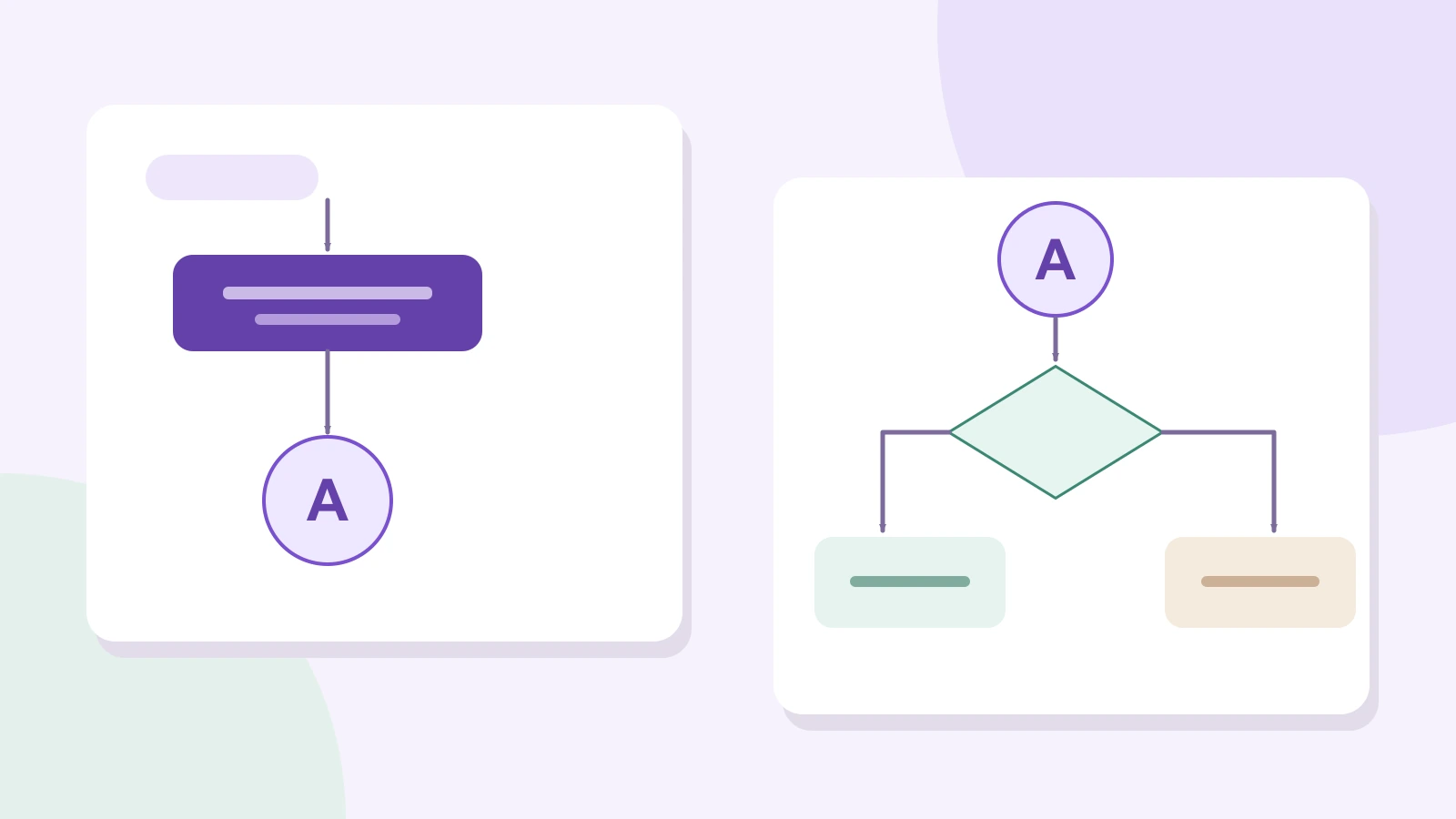
Flowchart Connectors: On-Page and Off-Page Examples
Replace a long flow line with matching references. Follow the same return-request process within one drawing and across two pages, without skipping its decisions.
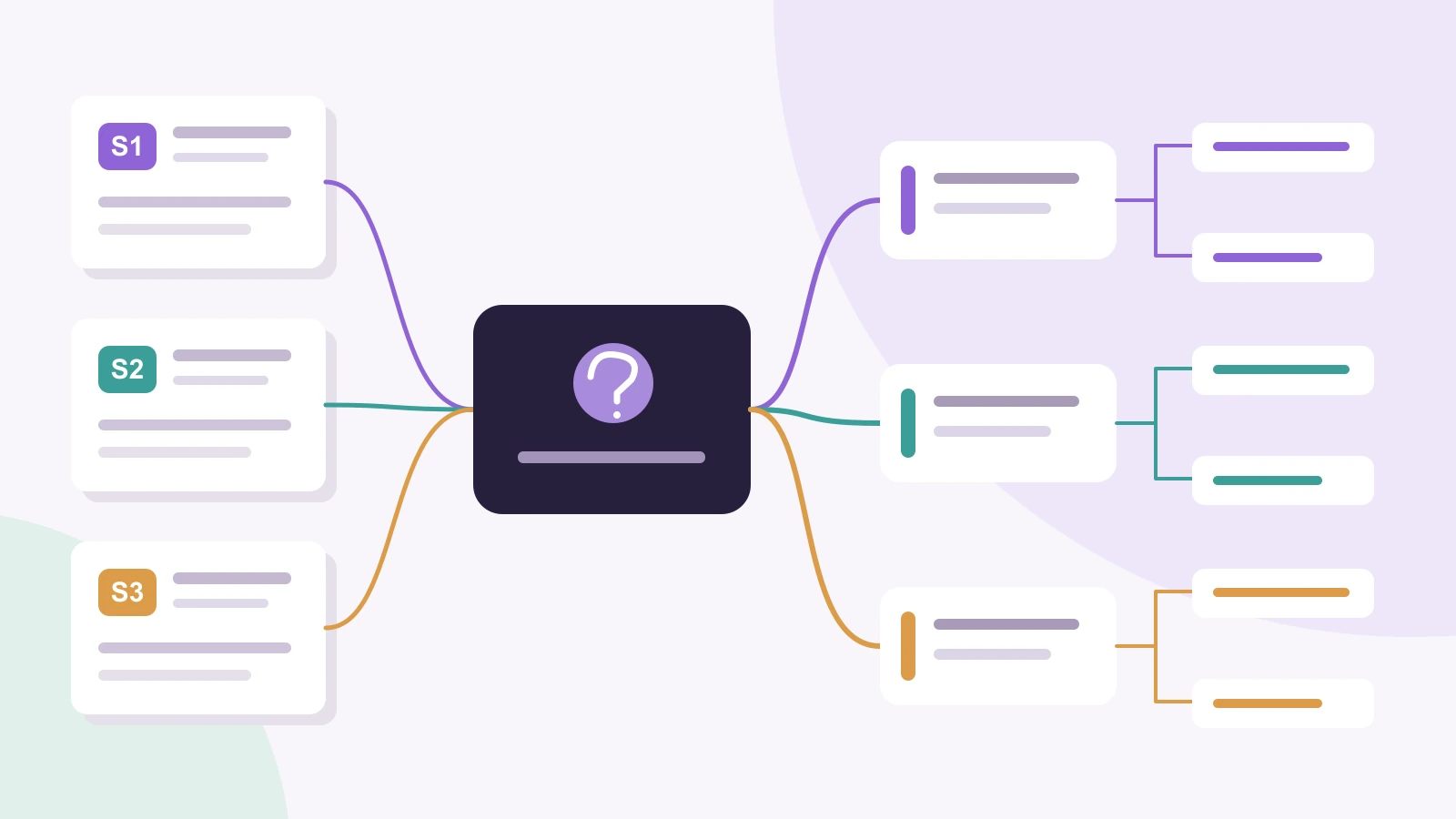
Literature Review Mind Map: Compare Sources and Find Themes
Move from separate reading notes to a thematic outline with source IDs, a completed comparison, and a reusable branch structure.

Purchase Approval Workflow: Example, Roles, and Decision Paths
A worked equipment request explains what to submit, how to separate approval from clarification, and what purchasing needs before placing an order.
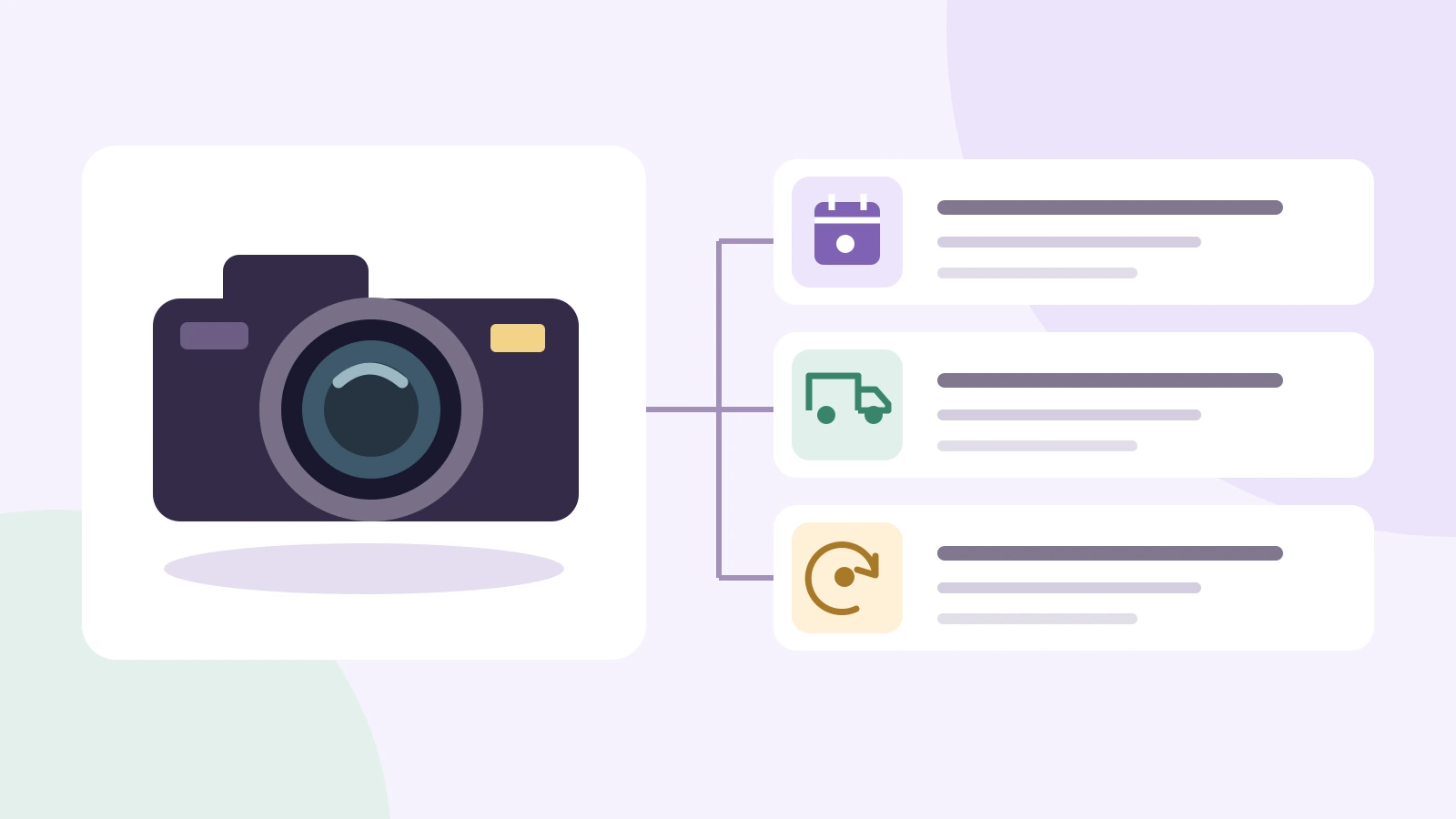
Revenue Streams in a Business Model Canvas: A Rental Example
A fictional camera-rental worksheet explains daily hire, optional delivery, and a membership alternative, with one booking traced across the canvas.
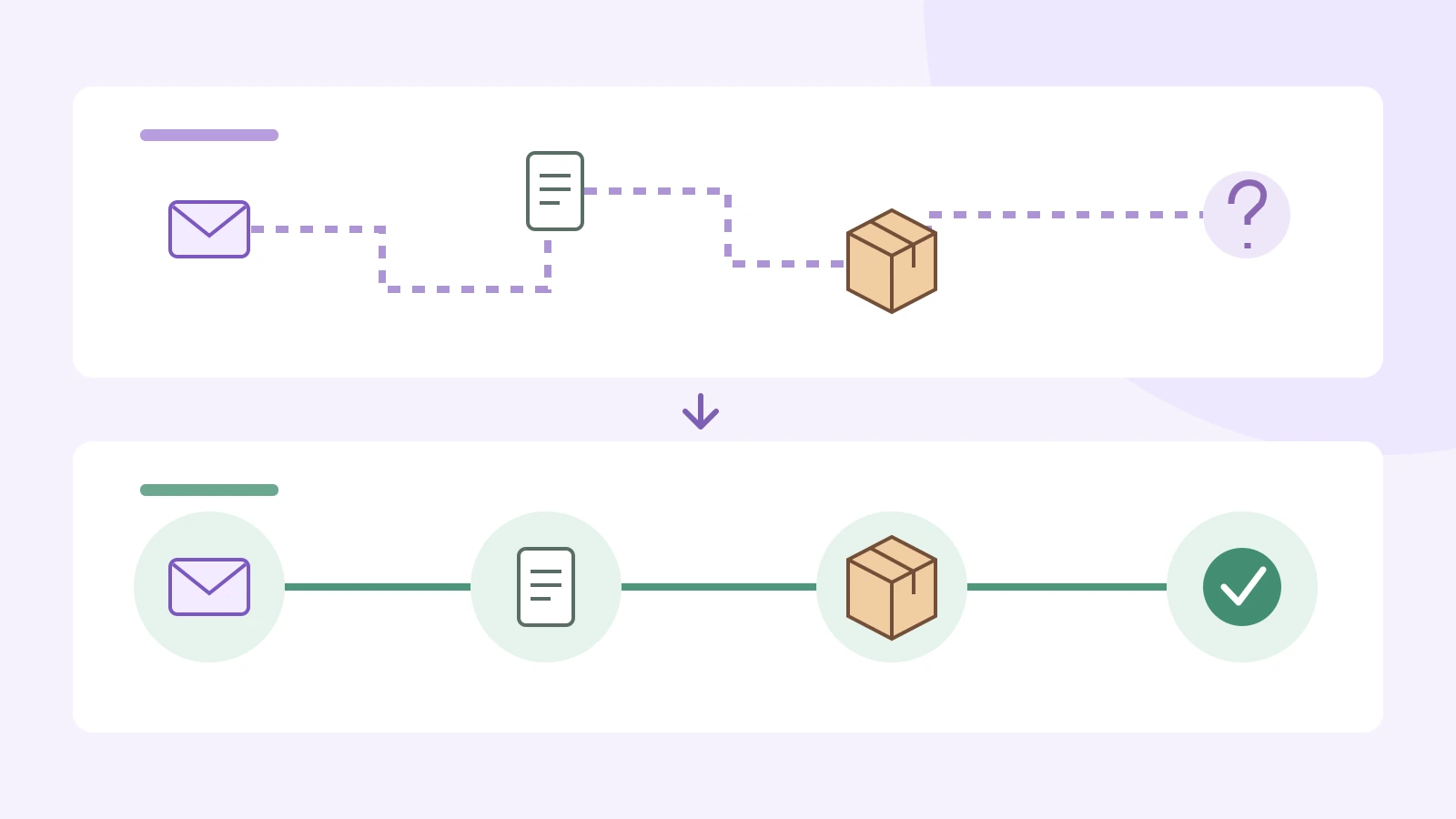
Current-State vs Future-State Journey Maps: A Returns Example
Two aligned views of a fictional jacket return show how to separate today's customer experience from a proposed redesign, without presenting assumptions as results.
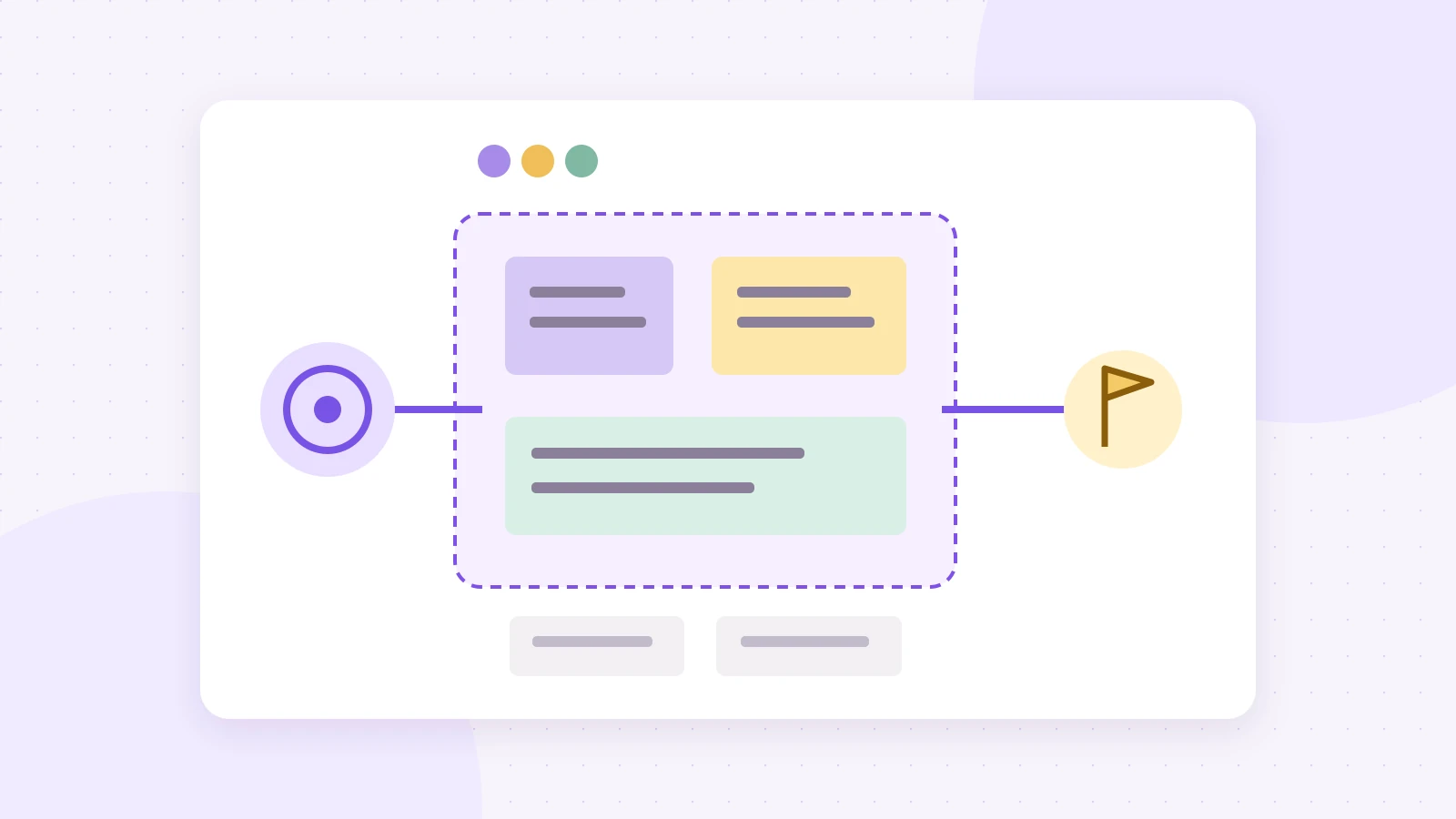
Project Kickoff Whiteboard: Build a Shared Project Brief
A practical project kickoff board that aligns a team on its outcome and boundaries, makes decision ownership visible, and records assumptions, dependencies, and the first owned next step.
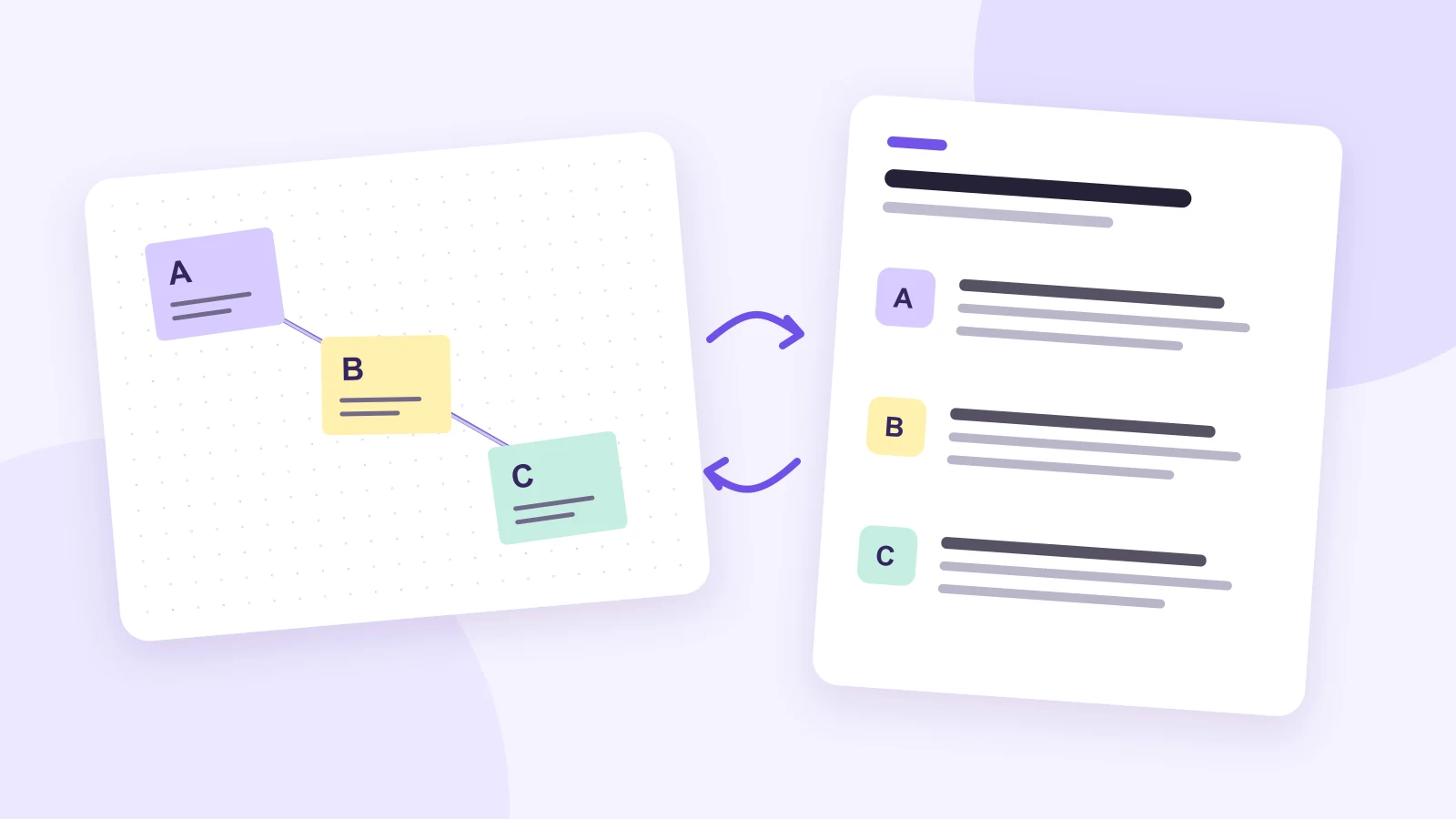
Accessible Whiteboard Workshops: Plan a Text Alternative
Run one discussion through a visual board and a matching text version. Use a worked support-service example to prepare materials, collect contributions and keep both versions aligned.

RICE Prioritization Framework: Score Product Ideas Without Hiding Assumptions
A practical RICE prioritization walkthrough with defined inputs, visible assumptions, a worked example, and a reusable table.

Kano Model Analysis: Classify Customer Needs Before You Prioritize Features
Classify customer needs with paired functional and dysfunctional questions, a worked feature example, and a reusable Kano research table.

Business Capability Map: Connect What Your Team Can Do to Strategy
Build a business capability map with a worked SaaS example, clear boundaries, owners, evidence, and a focused improvement backlog.
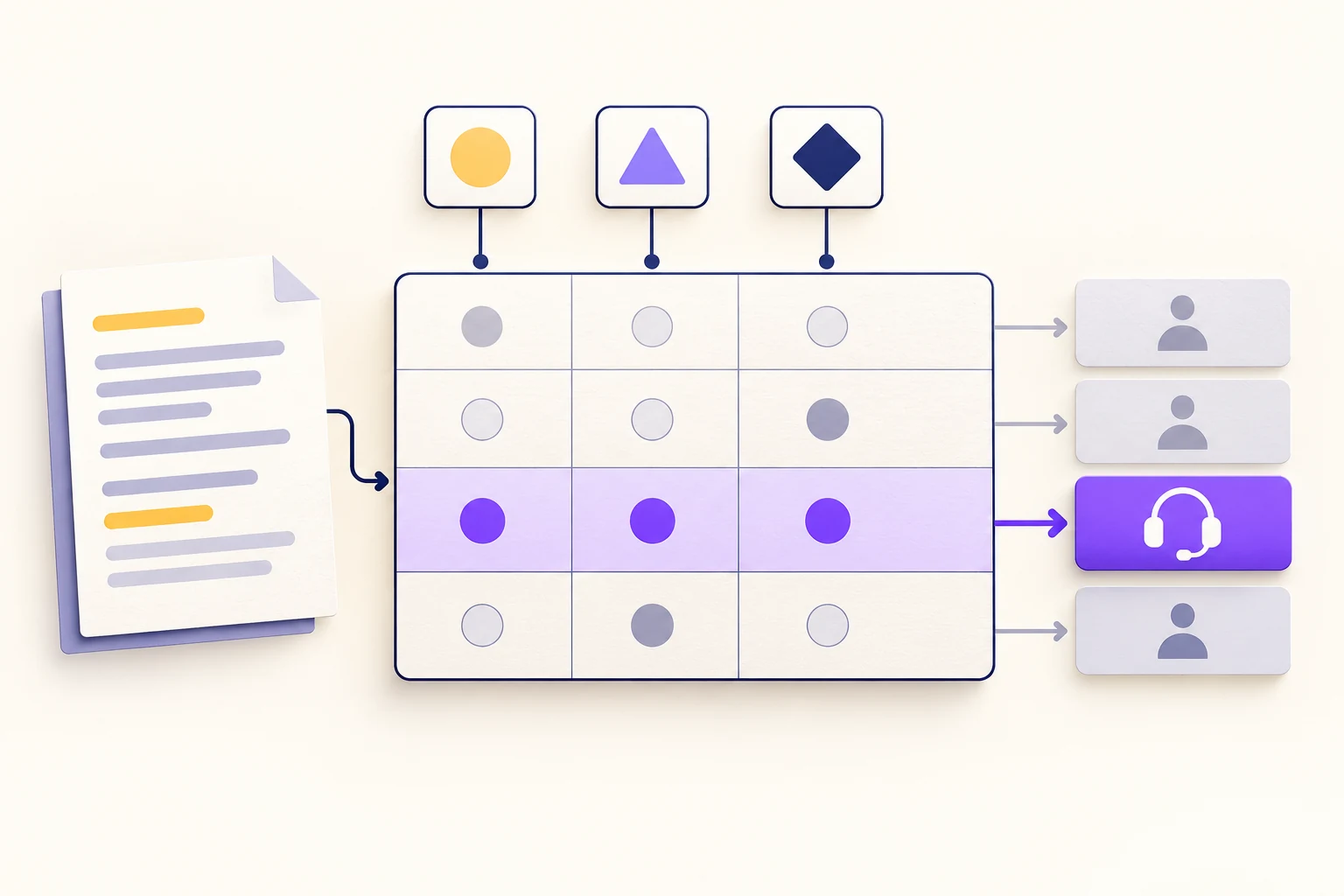
Decision Table Example: Write and Test Business Rules
Build a decision table with a complete support-routing example. Define inputs, find overlapping rules, handle unknown values and test every outcome.
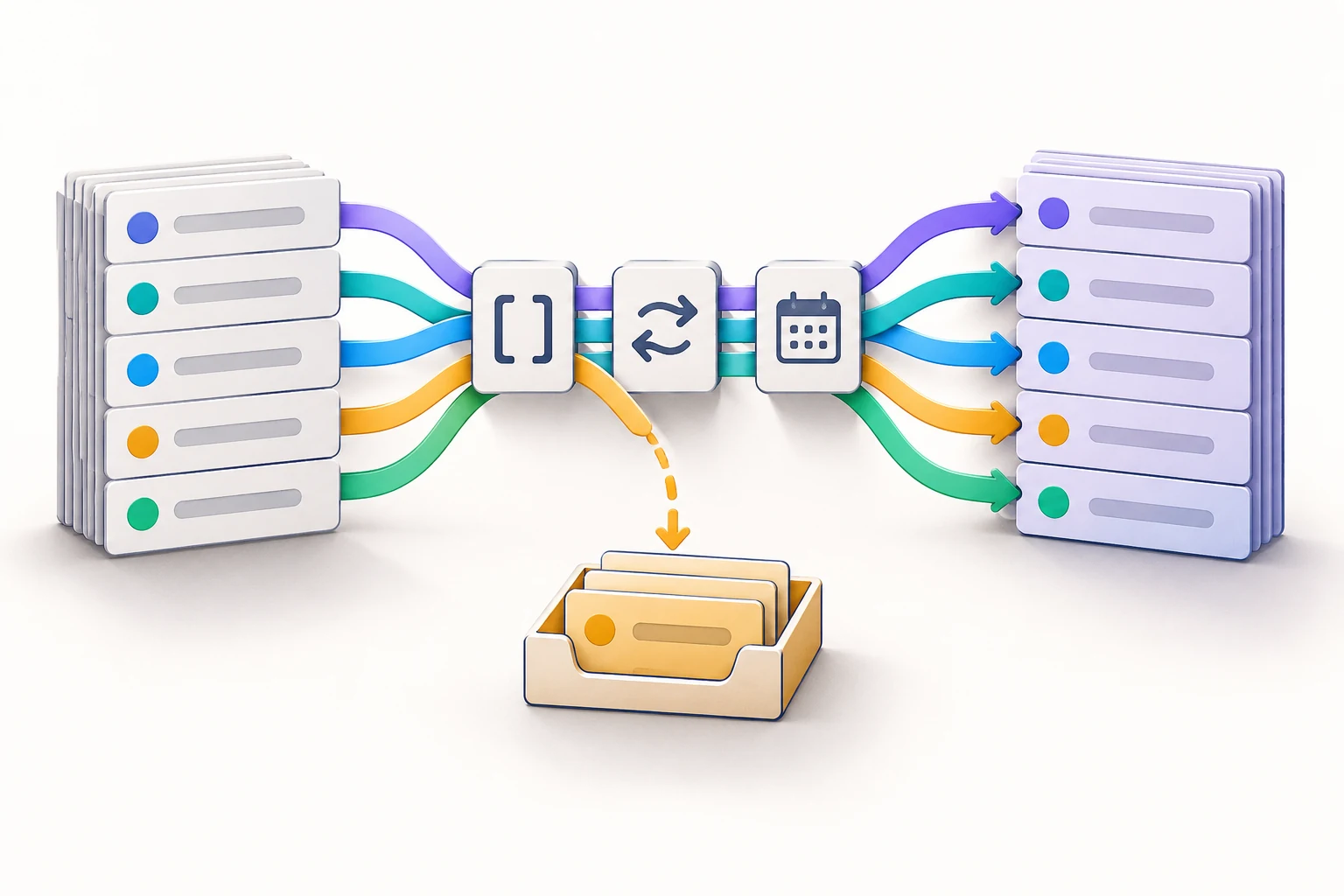
Data Mapping Template: Map Source Fields to a Target Schema
Plan a source-to-target data mapping with field rules, a complete customer-import example, duplicate handling and a reusable mapping-card template.
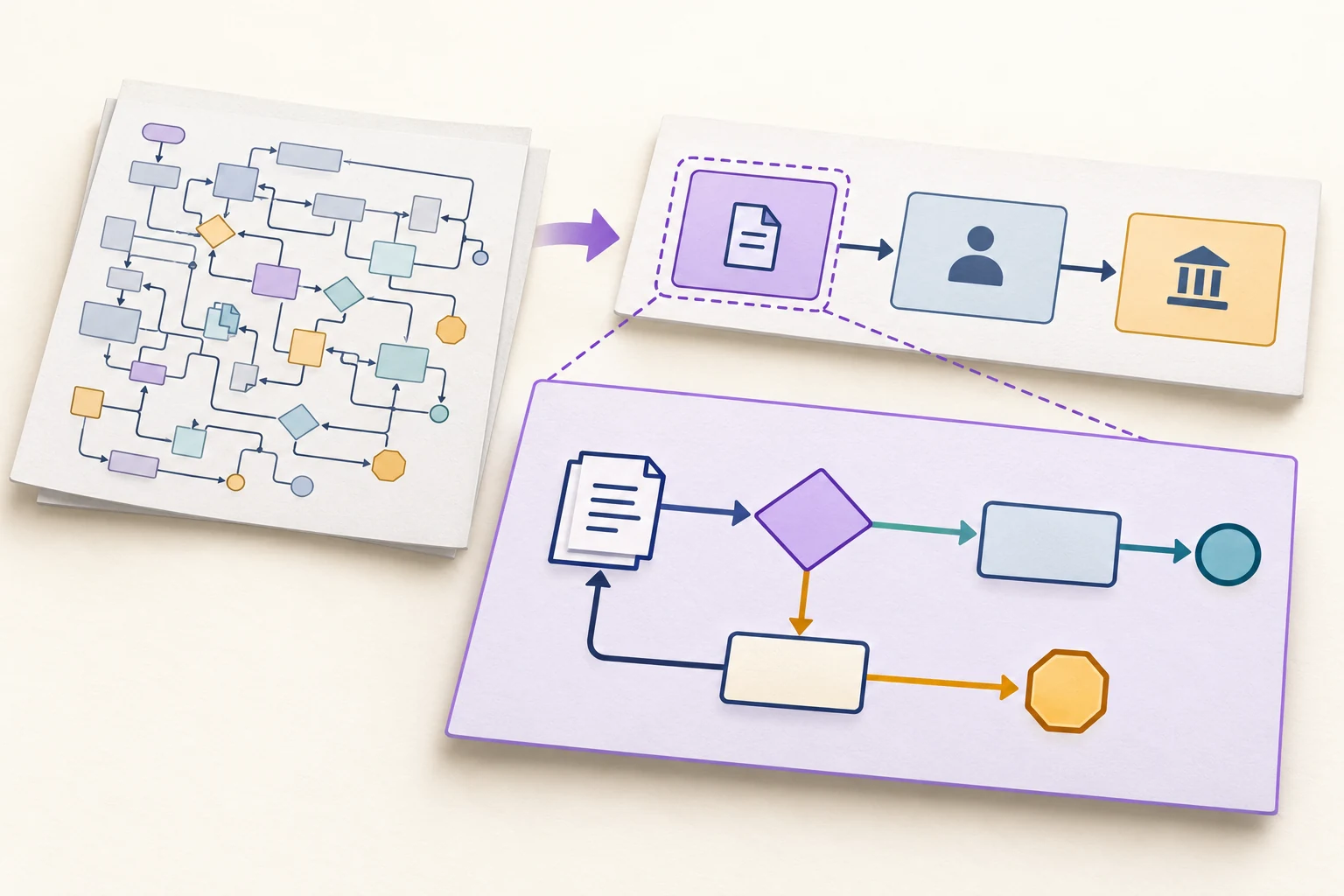
How to Simplify a Complex Flowchart Without Losing Detail
Turn a crowded flowchart into an overview and connected subprocesses. Follow an expense-request example that preserves decisions, waiting states and exits.
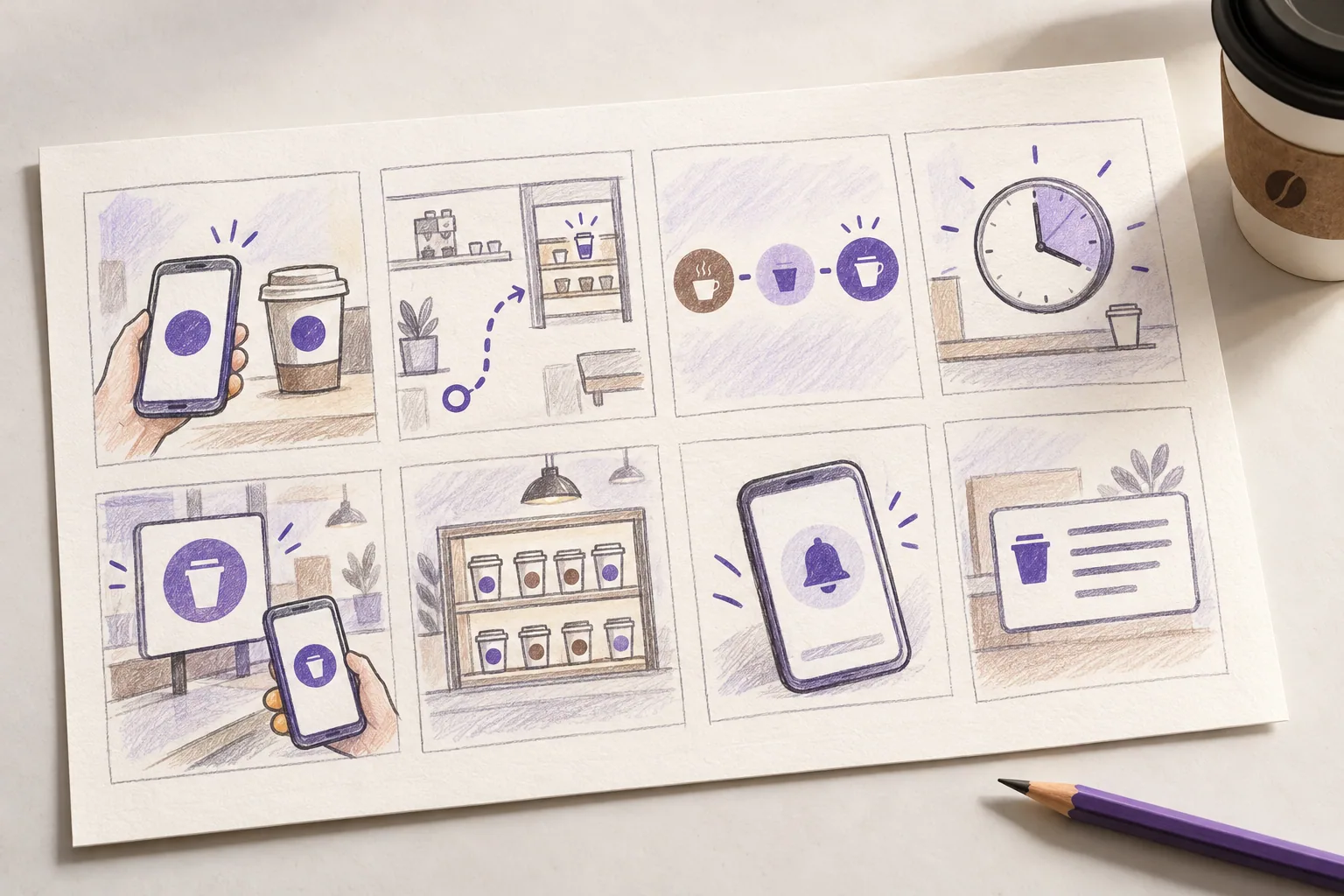
Crazy 8s: How to Run the Exercise, with 8 Sketch Examples
Run a Crazy 8s exercise with a clear prompt, eight sketch examples and practical facilitation steps. Learn how to compare ideas on a shared whiteboard.

Skills Matrix Template: Map Team Coverage and Training Needs
Build a skills matrix with a blank template, a filled team example and clear rating definitions. Identify coverage gaps and plan practical training.

World Café Method: Run a Workshop with Rotating Conversations
Learn the World Café method with a practical agenda, table-rotation plan and worked example. See how to connect small-group insights on a shared board.

User Research Synthesis Framework: Notes to Themes
Use a practical user research synthesis framework to move from interview notes to themes, evidence, opportunities, and an owned product decision.

Concept Testing Workshop: Questions & Activities
Plan a concept testing workshop with neutral questions, comparable feedback activities, and a board layout that ends in a clear product decision.

Customer Journey Map Metrics: What to Measure
Connect customer journey map metrics to observable signals, evidence, and next actions instead of filling a map with numbers that cannot guide a decision.

UX Research Repository Structure: Organize Evidence and Decisions
A practical UX research repository structure for organizing evidence, themes, decisions, owners, and follow-up work without losing context.

How to Run a Remote Design Critique: Agenda, Roles, and Decisions
Run a remote design critique with a clear agenda, roles, board layout, and decision record. Includes a worked critique flow for distributed teams.

Product Design Handoff Checklist: From Context to Ready-to-Build Specs
A design handoff checklist with six checkout states, observable acceptance tests and clear ownership for design, engineering and QA.
Articles 1–24 of 1319

Remote Usability Testing Board: Tasks, Observations, and Follow-Up
Follow P03’s access question from a neutral task to a tentative interpretation and a specific prototype test, with participant materials kept separate.
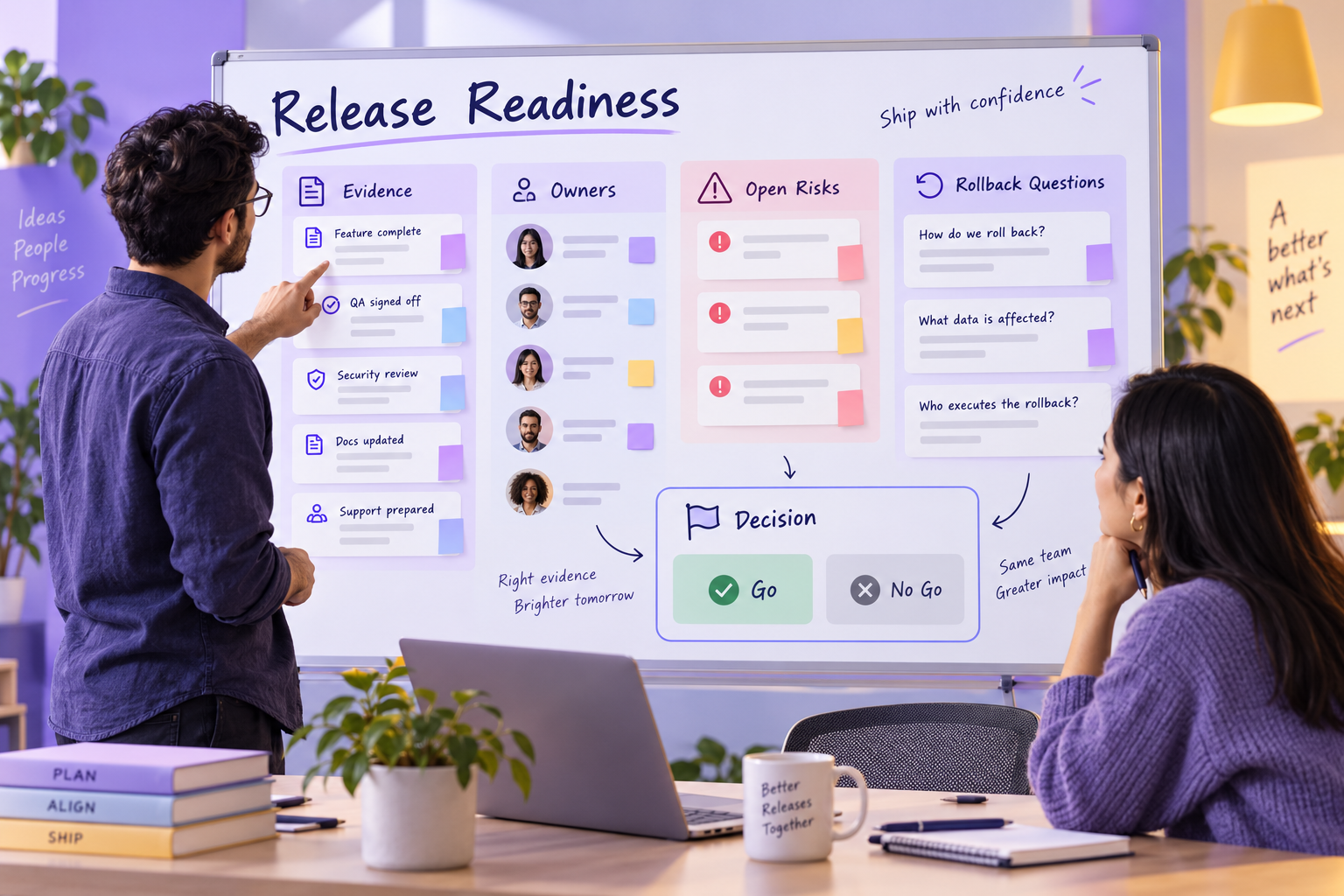
Release Readiness Checklist Board: Evidence, Owners, and Go/No-Go Decisions
A reusable readiness checklist and appointment-service example show what blocks RC3 and what evidence the next review needs.
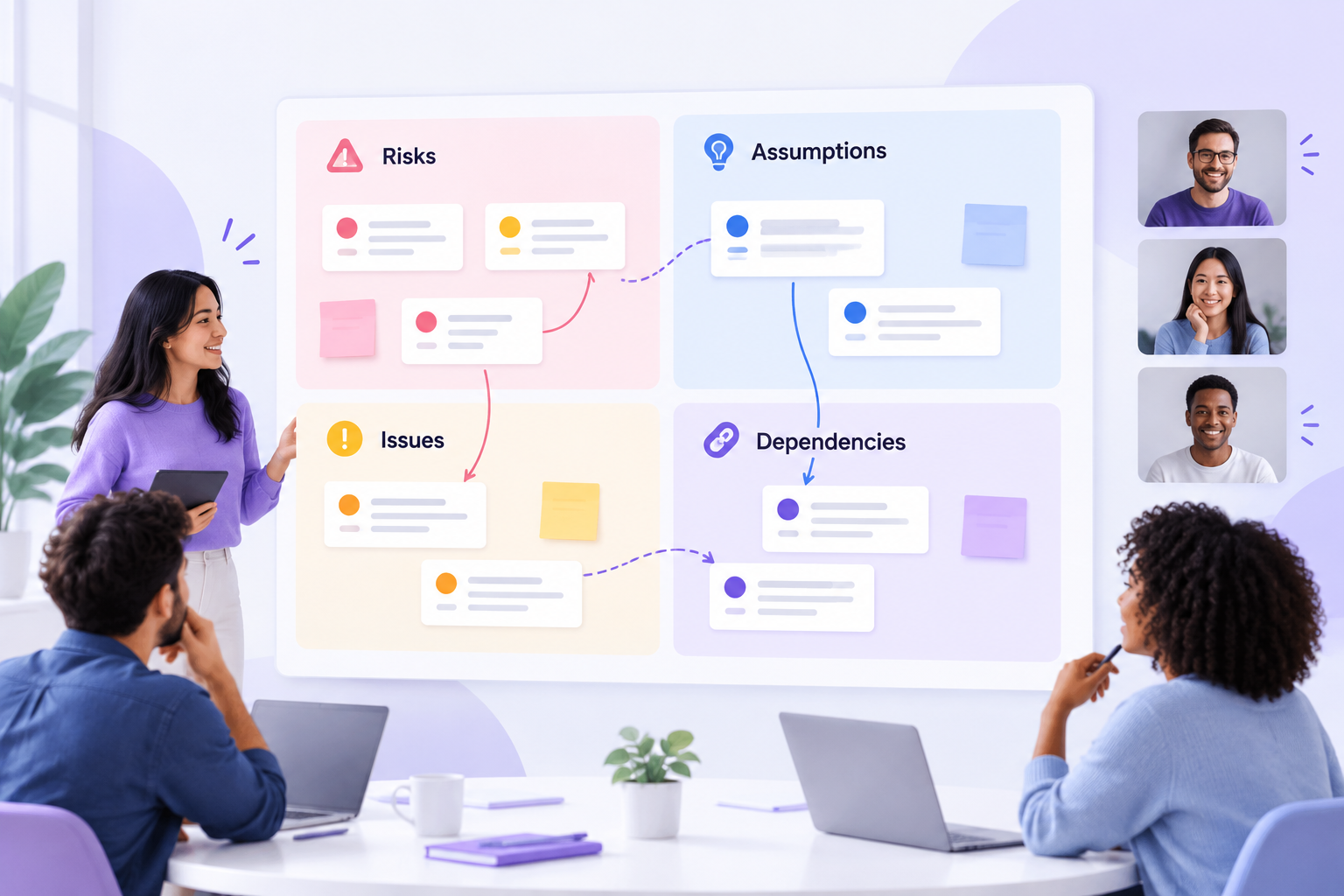
RAID Log Template for an Online Whiteboard: Risks, Assumptions, Issues, Dependencies
Use a filled report-portal example and reusable fields to track risks, assumptions, issues and dependencies without losing their relationships.

Remote Workshop Agenda on a Whiteboard: A Practical 60-Minute Template
A reusable remote-workshop agenda layout that keeps instructions, contributions and decisions together.
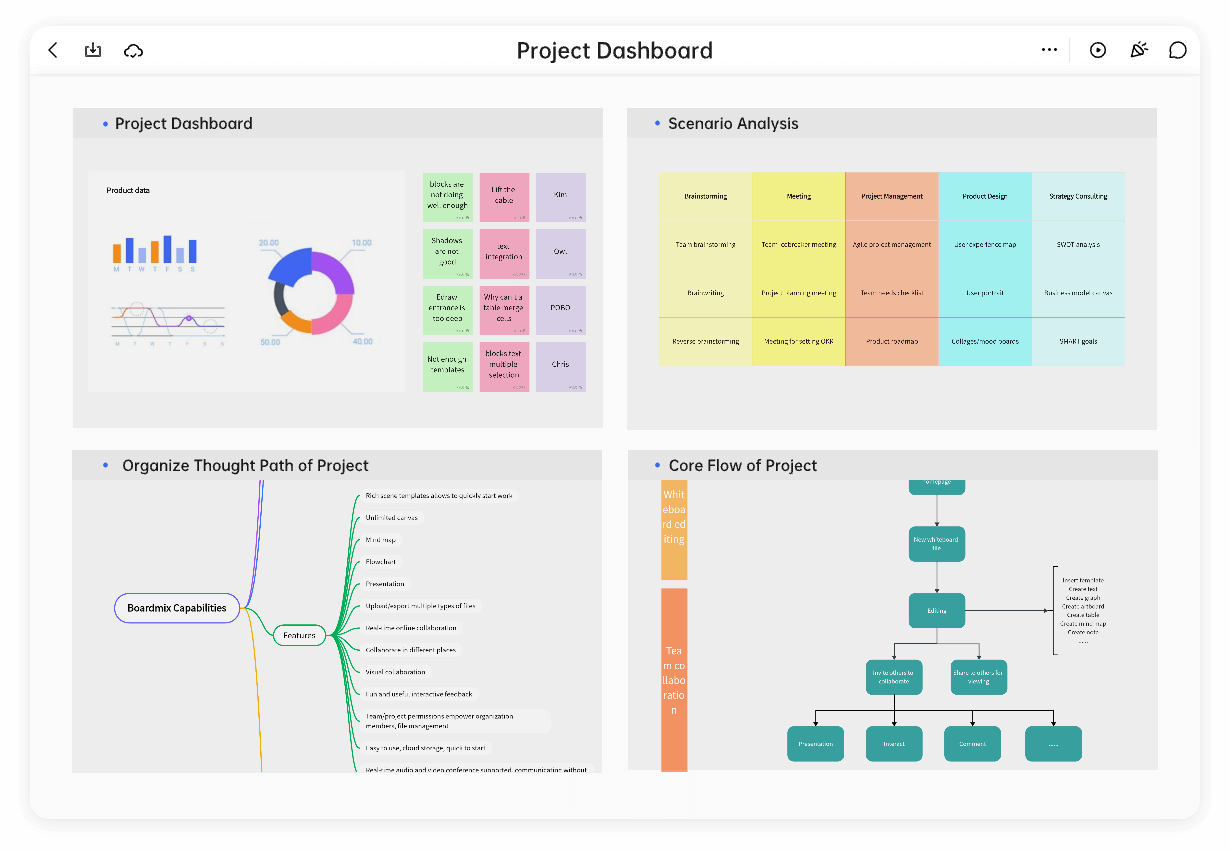
Weekly Project Status Board Template: Progress, Risks, and Next Actions
A four-zone canvas layout for concise, evidence-based weekly project reviews.
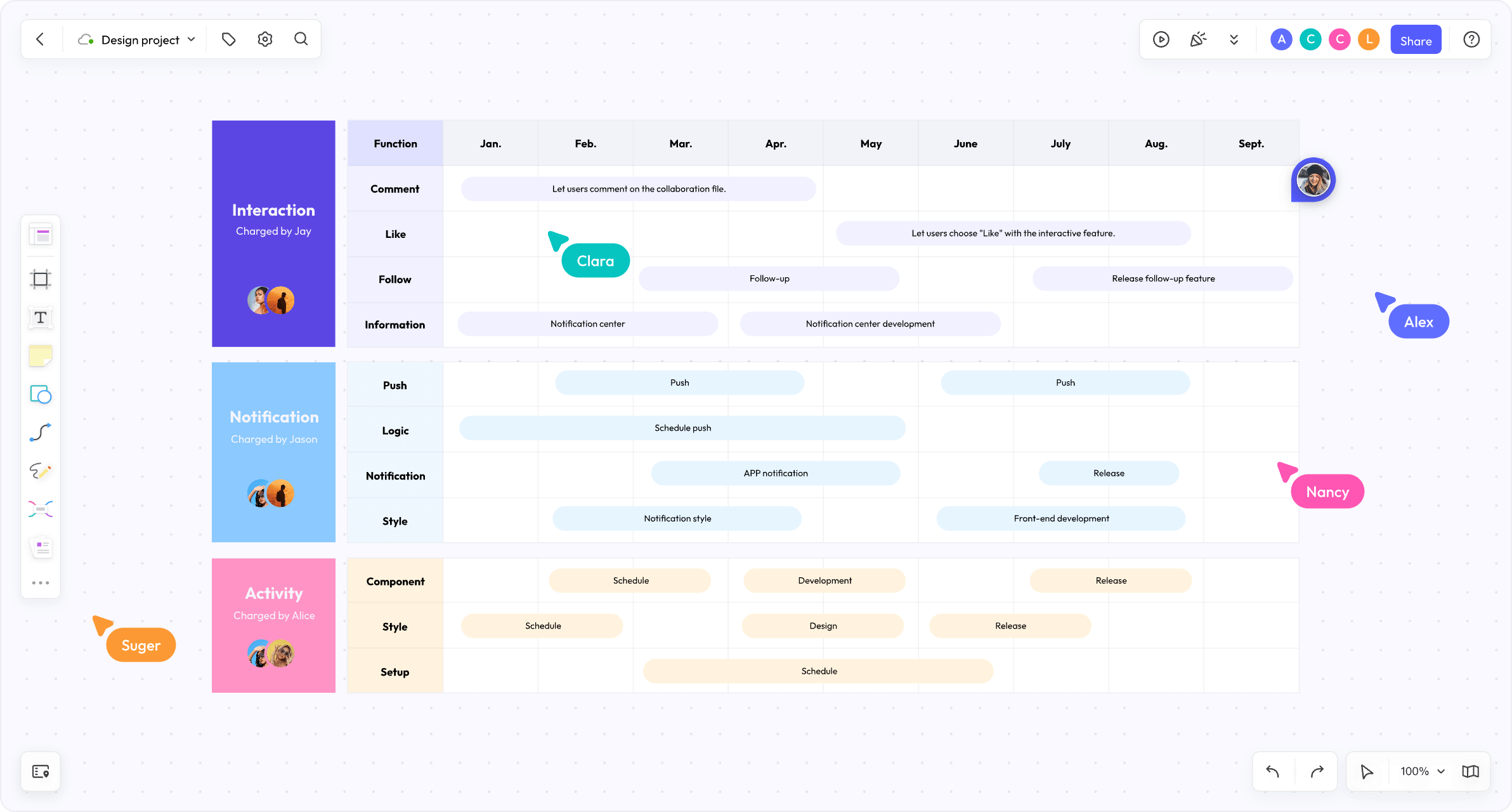
Sprint Planning Whiteboard Template: Plan Capacity, Stories, and Risks
A practical sprint-planning canvas for making scope, constraints and unresolved questions visible before work starts.
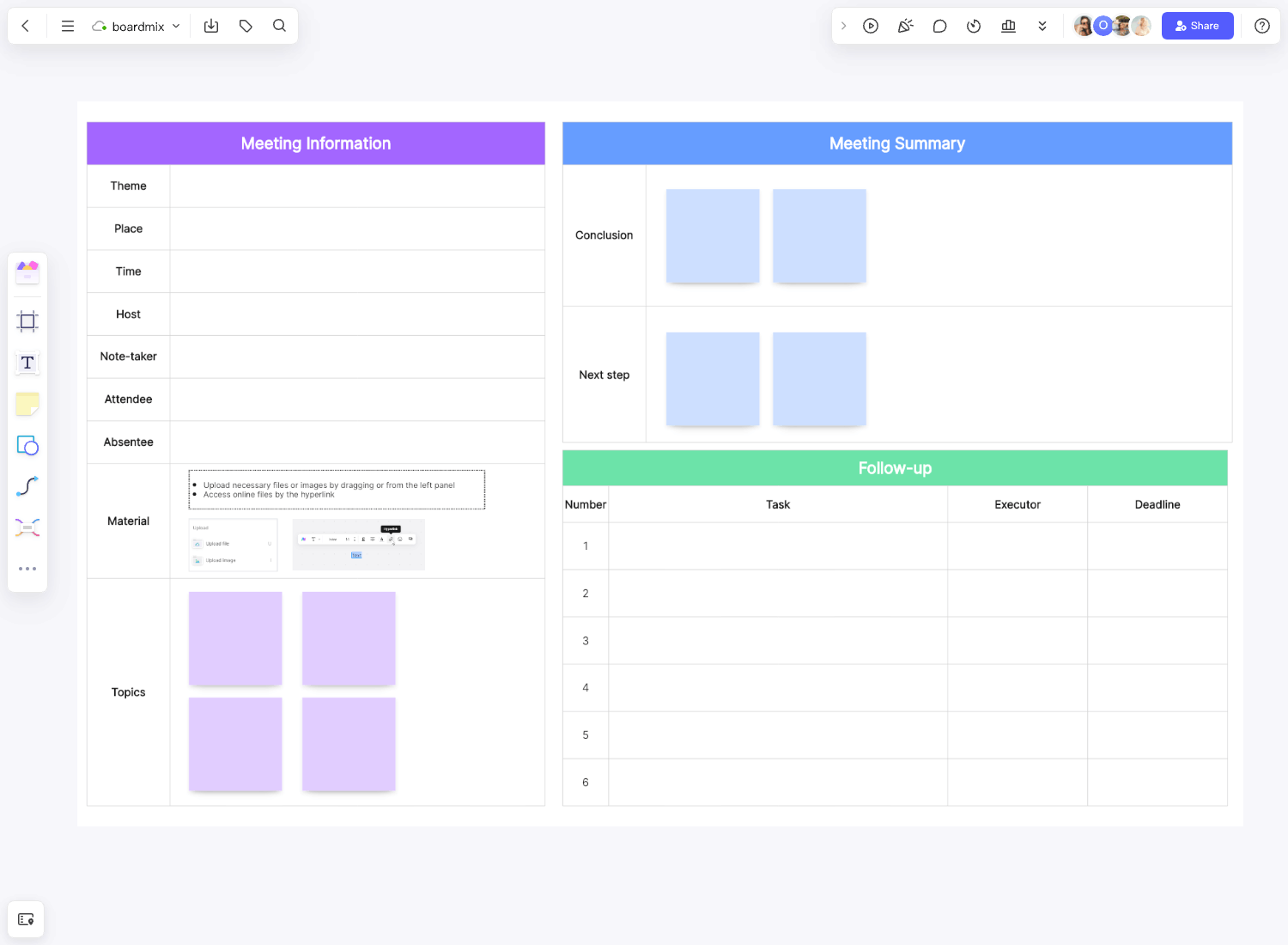
Meeting Action Items Template: Turn Decisions into Owned Work
A practical action-item structure for recording decisions, assignments and follow-up in the same place.
User Research Plan Template: Turn Questions into Useful Evidence
A working template for deciding what to learn, from whom, how and when to use the findings.

Stakeholder Alignment Workshop: A Practical Agenda for Shared Decisions
A practical workshop agenda for turning competing expectations into a shared decision record.

Conflicting User Interview Findings: Build an Evidence Wall
Use an evidence wall to separate different user contexts from unresolved contradictions, then choose the next observation that could change your interpretation.
Whiteboard Legend: Separate Facts, Assumptions, Decisions and Actions
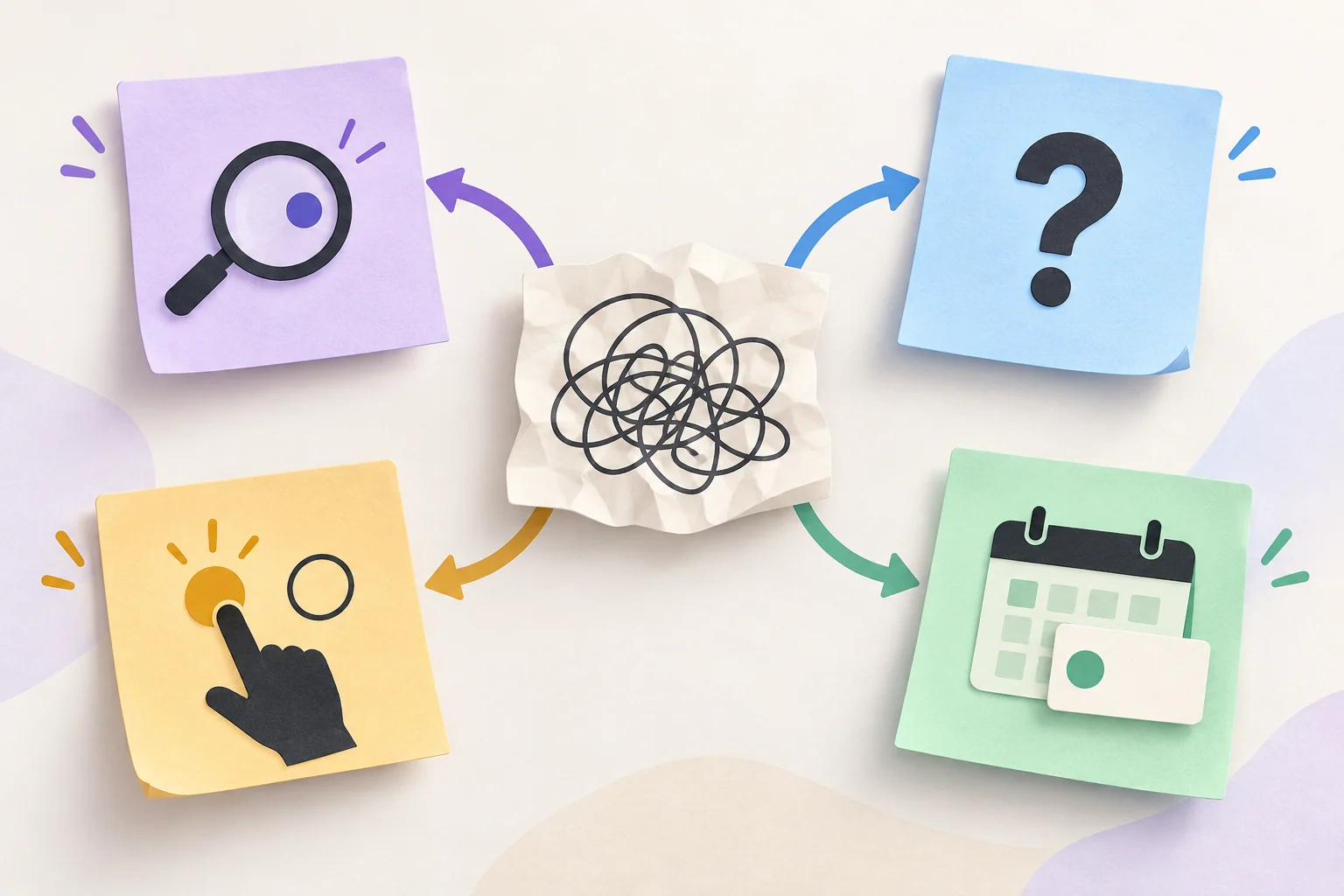
Stop mixed workshop notes from turning guesses into commitments. Use four clear labels, source references and a worked example to make the meaning of each note visible.

Workshop Facilitator Handoff: Pass the Lead Without Losing Context
Keep an online workshop moving when the facilitator changes. A first-week onboarding example shows how to pass the current state, open questions and next instruction to a colleague.

Async Design Review: Get Useful Feedback Without a Meeting
Make asynchronous design feedback easier to use. Package a specific version, focus reviewers on clear questions, and explain which comments change the next version.

How to Present an Online Whiteboard Without Reading Every Note
Build a short presentation route through a working board. Use a handoff-review example to choose evidence, improve readability, and record the audience's decision.
Hopes and Fears Workshop: Surface Expectations Before a Project Starts
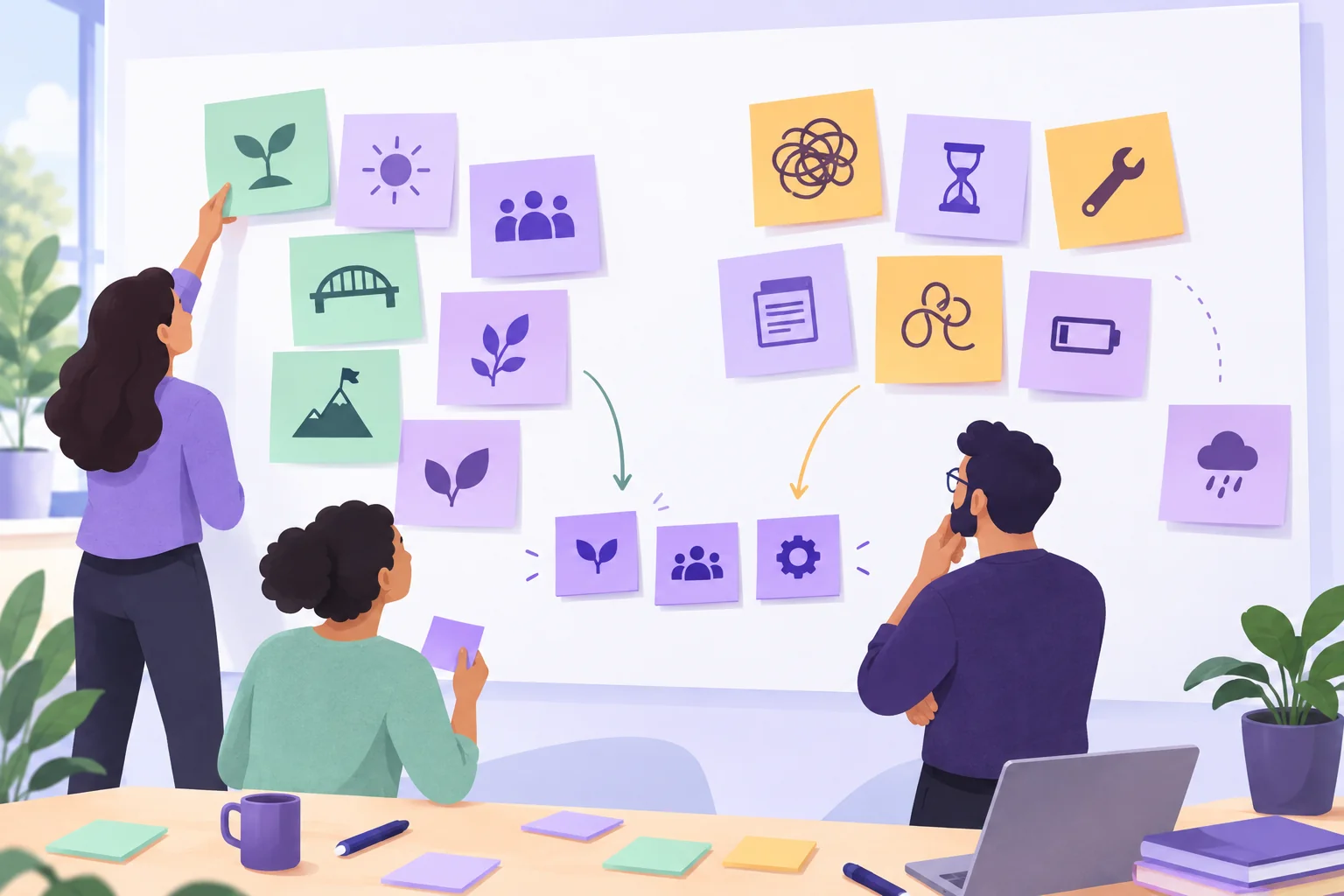
Make project expectations and concerns easier to discuss. Use a knowledge-base kickoff example to turn broad notes into clear questions and working commitments.
How to Run an Online Gallery Walk for Project Feedback
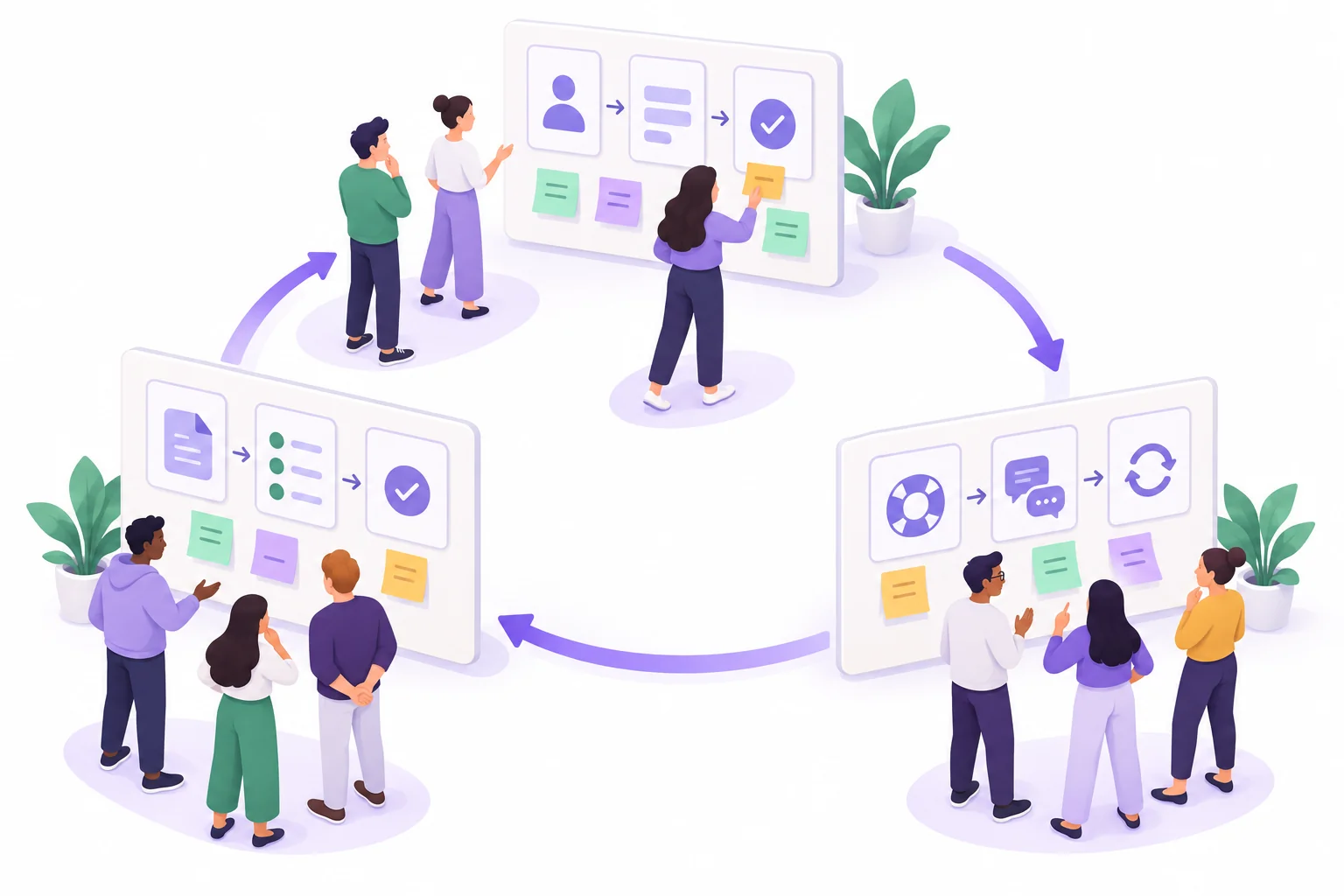
Review several project proposals without a long presentation queue. Set up exhibits, rotate small groups, and turn specific feedback into revision decisions.

Meeting Parking Lot: Capture Off-Topic Ideas Without Losing Them
Keep useful side topics from derailing a meeting. Learn what to park, what needs attention now, and how to give each deferred question a clear next step.

Acceptance Criteria: Write Testable Conditions for a Checkout Story
Turn one order-review story into observable conditions and four scenarios, with explicit scope boundaries, sample totals, and a separate Definition of Done.
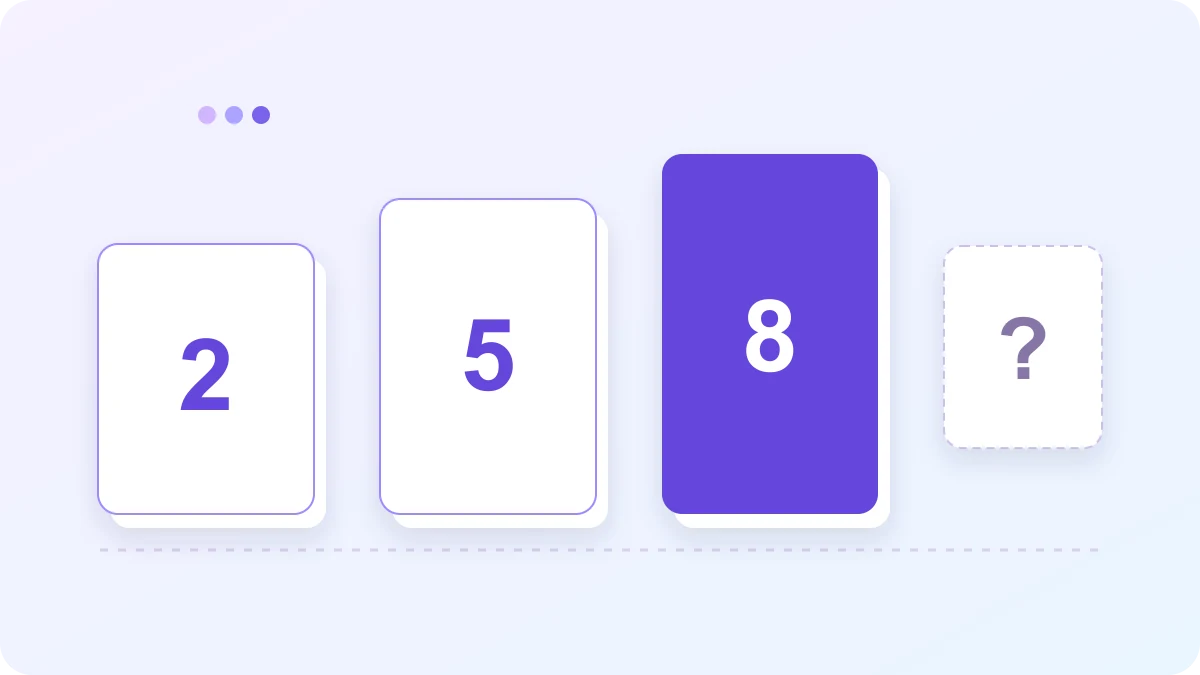
Story Point Estimation: Run a Planning-Poker Session for One Sprint
Follow a checkout team through three estimation discussions, using one point scale and reference stories to resolve disagreement without averaging votes or converting points to hours.

Meeting Facilitation: Design a Neutral Workshop That Ends with Decisions
A complete remote workshop example: compare three onboarding improvements, use a 60-minute agenda, handle objections, and leave with a decision and handoff.
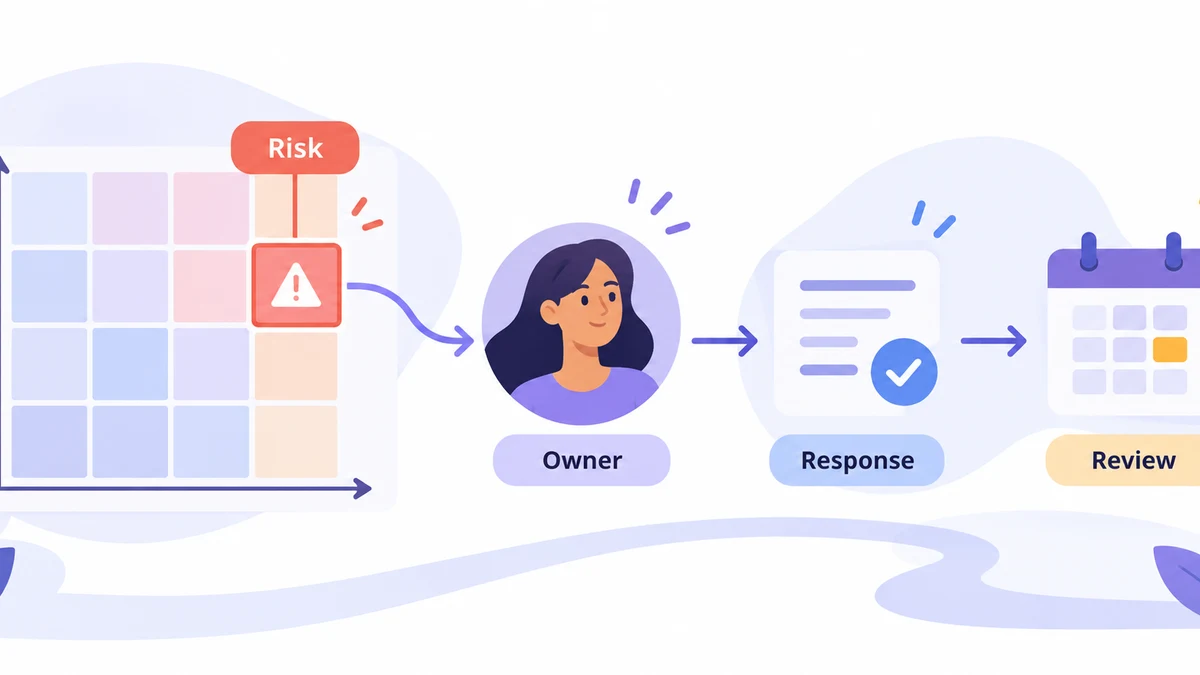
Risk Matrix How-To: Turn a Release Risk into an Owned Response Plan
A risk matrix is useful when it changes what a team will do next. This worked example turns one release risk into a visible score, a response owner, a trigger, and a later residual-risk review. The numbers are illustrative; replace them with evidence from your release.
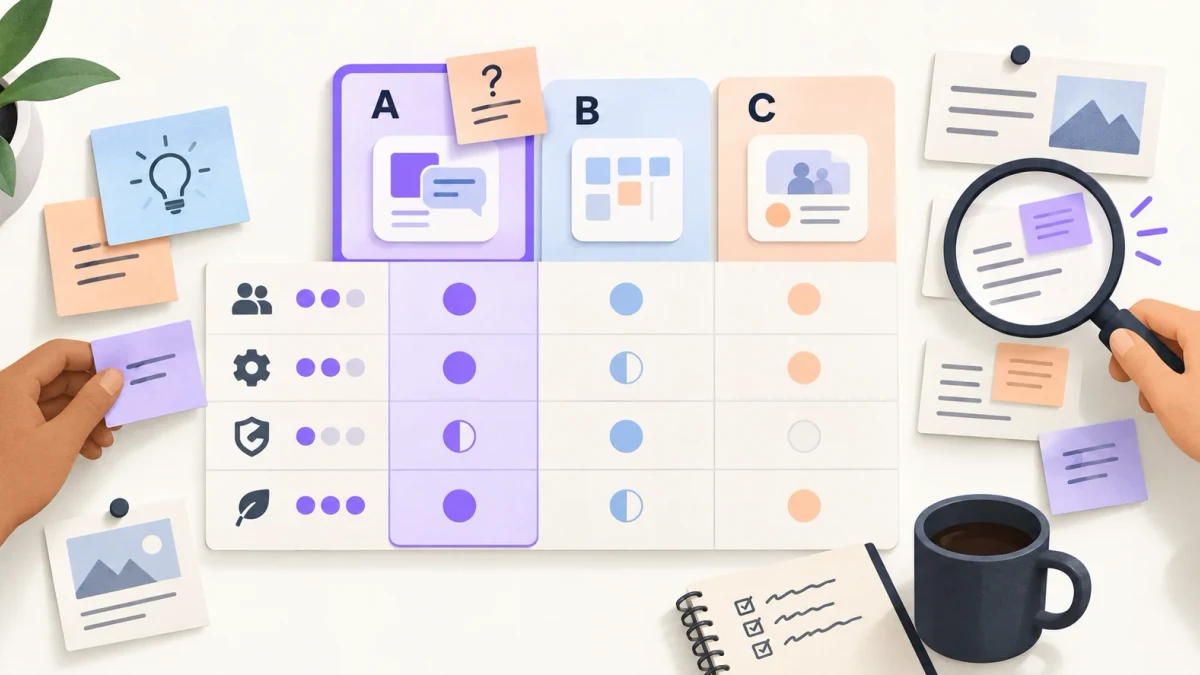
Decision Matrix How-To: Compare Three Collaboration Tools with Weighted Criteria
A practical decision matrix tutorial with a worked three-tool example, clear weighting and rating rules, evidence notes, gates, and a sensitivity check.
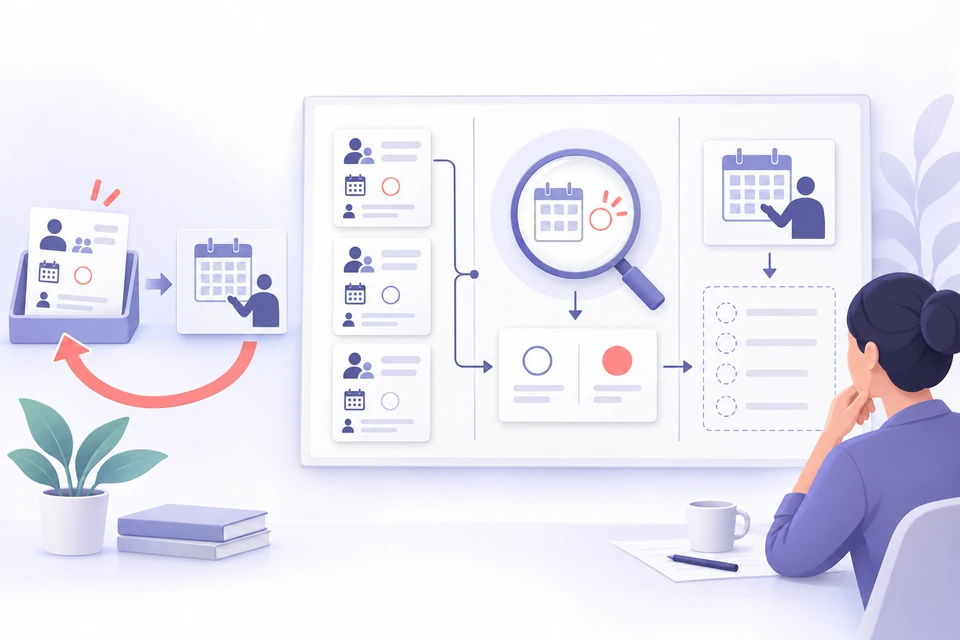
A3 Problem-Solving Example: Reduce Training-Request Rework
Follow a training-request handoff from unclear information to a targeted countermeasure, with evidence, measures, and an honest results-pending trial.
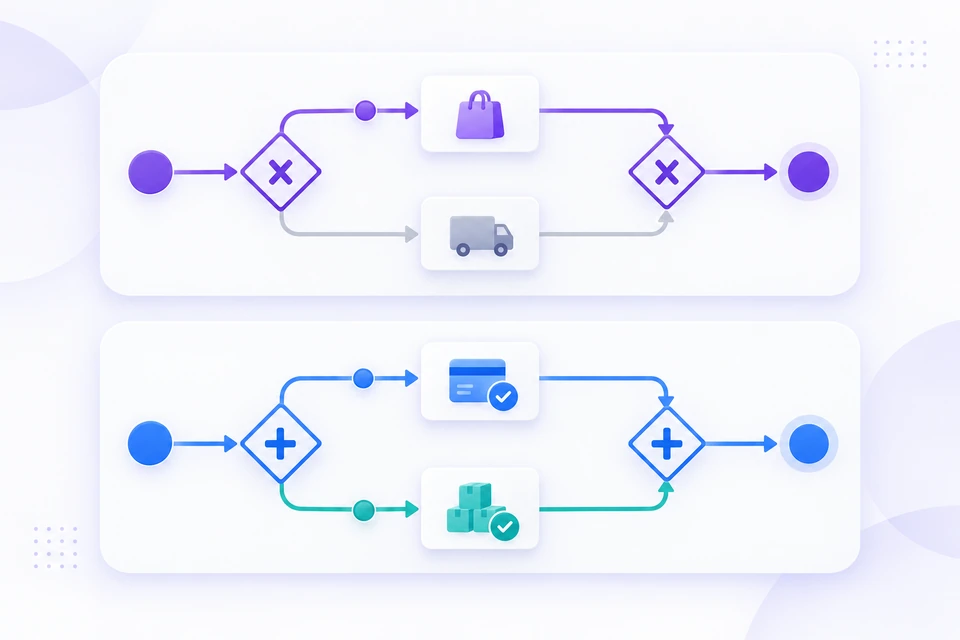
BPMN Exclusive vs. Parallel Gateway: An Order-Check Example
See why pickup or delivery needs a different gateway from payment and stock checks, and how the wrong join changes the process.
Work in an Efficient and Creative Way
Inspiration Thinking Creation Management Demonstration Collaboration