


Articles 1–24 of 461

Conflicting User Interview Findings: Build an Evidence Wall
Use an evidence wall to separate different user contexts from unresolved contradictions, then choose the next observation that could change your interpretation.

Whiteboard Legend: Separate Facts, Assumptions, Decisions and Actions
Stop mixed workshop notes from turning guesses into commitments. Use four clear labels, source references and a worked example to make the meaning of each note visible.

Workshop Facilitator Handoff: Pass the Lead Without Losing Context
Keep an online workshop moving when the facilitator changes. A first-week onboarding example shows how to pass the current state, open questions and next instruction to a colleague.

Async Design Review: Get Useful Feedback Without a Meeting
Make asynchronous design feedback easier to use. Package a specific version, focus reviewers on clear questions, and explain which comments change the next version.

How to Present an Online Whiteboard Without Reading Every Note
Build a short presentation route through a working board. Use a handoff-review example to choose evidence, improve readability, and record the audience's decision.

Hopes and Fears Workshop: Surface Expectations Before a Project Starts
Make project expectations and concerns easier to discuss. Use a knowledge-base kickoff example to turn broad notes into clear questions and working commitments.
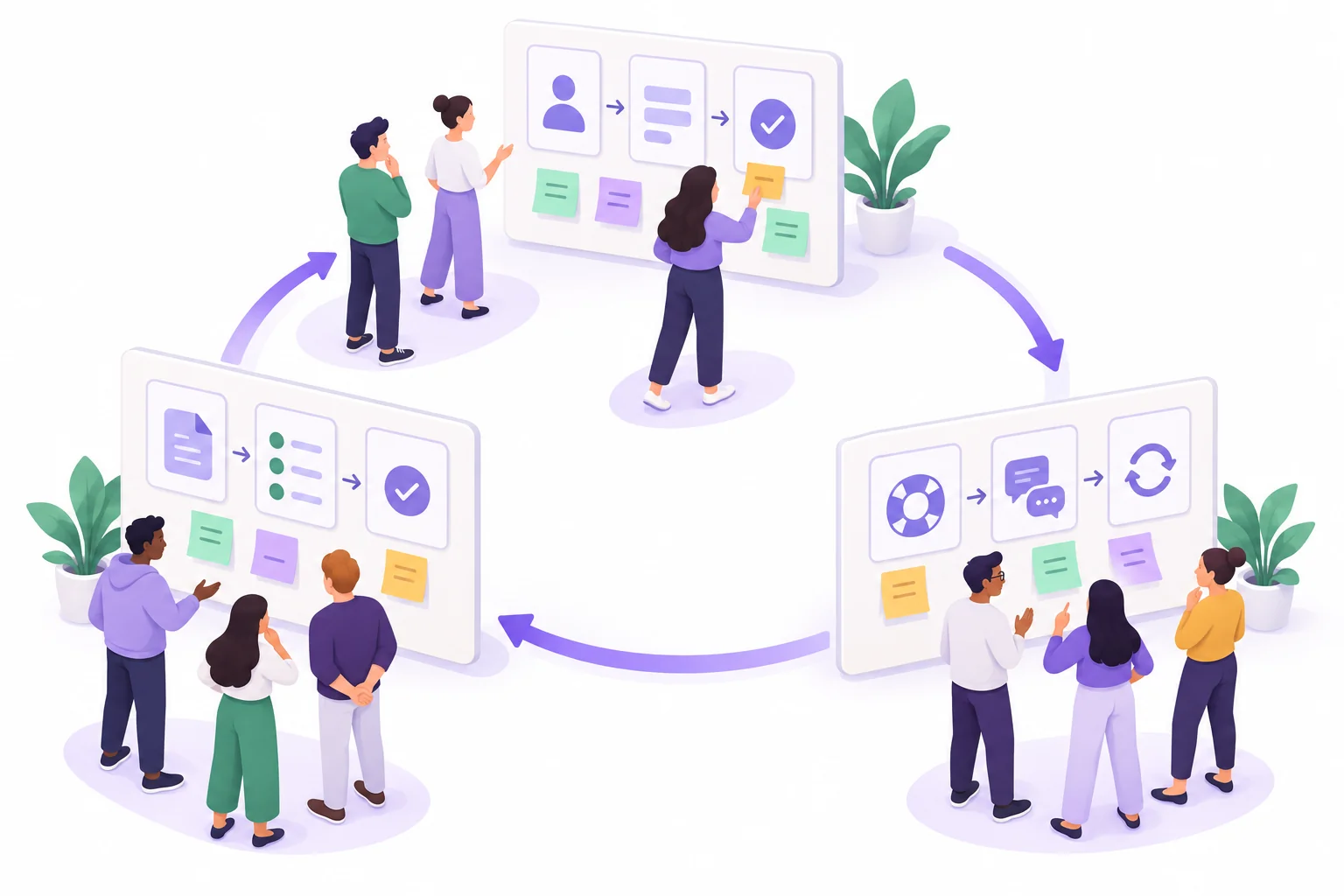
How to Run an Online Gallery Walk for Project Feedback
Review several project proposals without a long presentation queue. Set up exhibits, rotate small groups, and turn specific feedback into revision decisions.

Meeting Parking Lot: Capture Off-Topic Ideas Without Losing Them
Keep useful side topics from derailing a meeting. Learn what to park, what needs attention now, and how to give each deferred question a clear next step.

Acceptance Criteria: Write Testable Conditions for a Checkout Story
Turn one order-review story into observable conditions and four scenarios, with explicit scope boundaries, sample totals, and a separate Definition of Done.
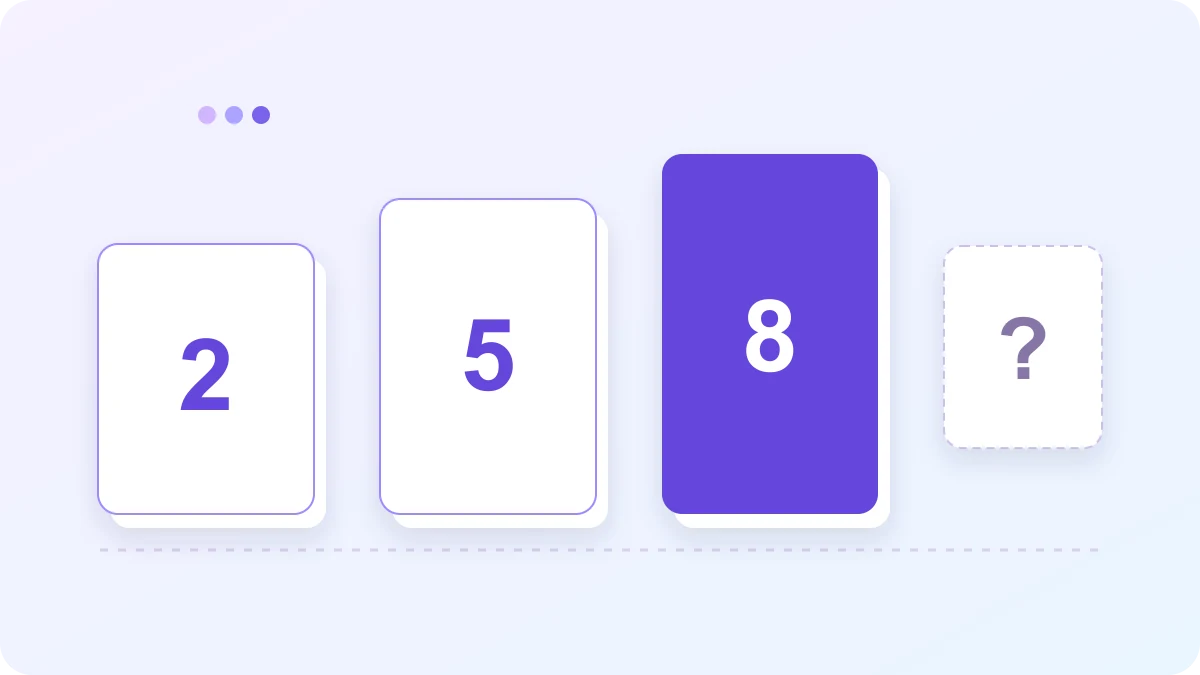
Story Point Estimation: Run a Planning-Poker Session for One Sprint
Follow a checkout team through three estimation discussions, using one point scale and reference stories to resolve disagreement without averaging votes or converting points to hours.

Meeting Facilitation: Design a Neutral Workshop That Ends with Decisions
A complete remote workshop example: compare three onboarding improvements, use a 60-minute agenda, handle objections, and leave with a decision and handoff.
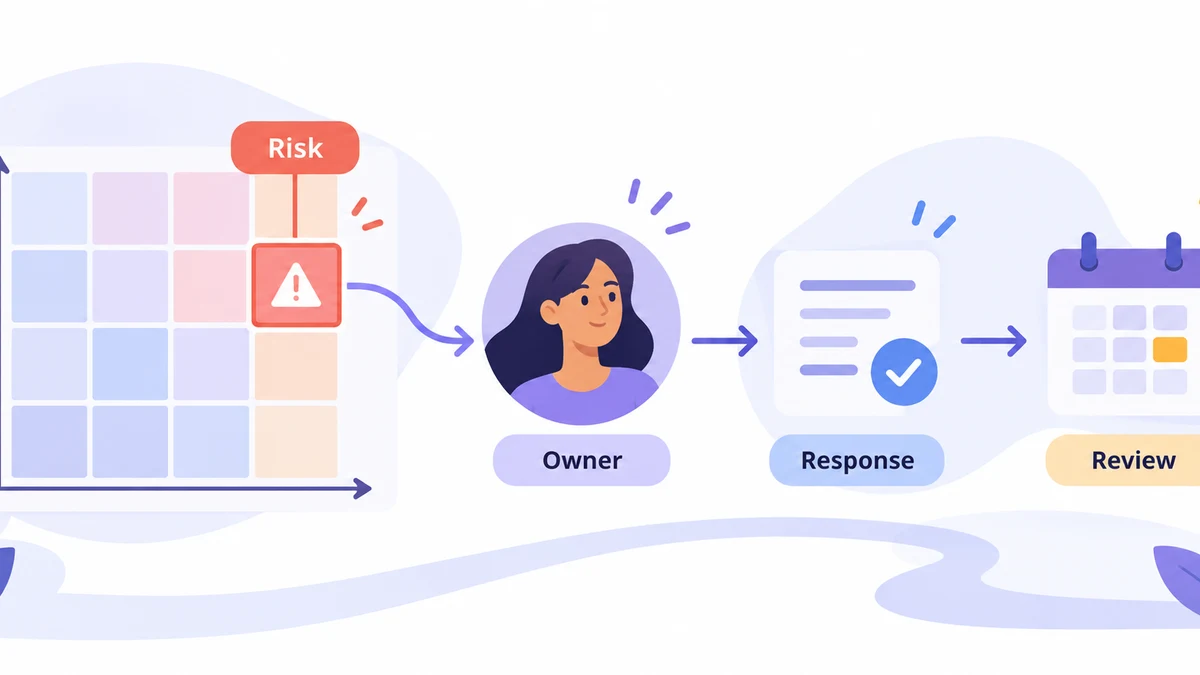
Risk Matrix How-To: Turn a Release Risk into an Owned Response Plan
A risk matrix is useful when it changes what a team will do next. This worked example turns one release risk into a visible score, a response owner, a trigger, and a later residual-risk review. The numbers are illustrative; replace them with evidence from your release.
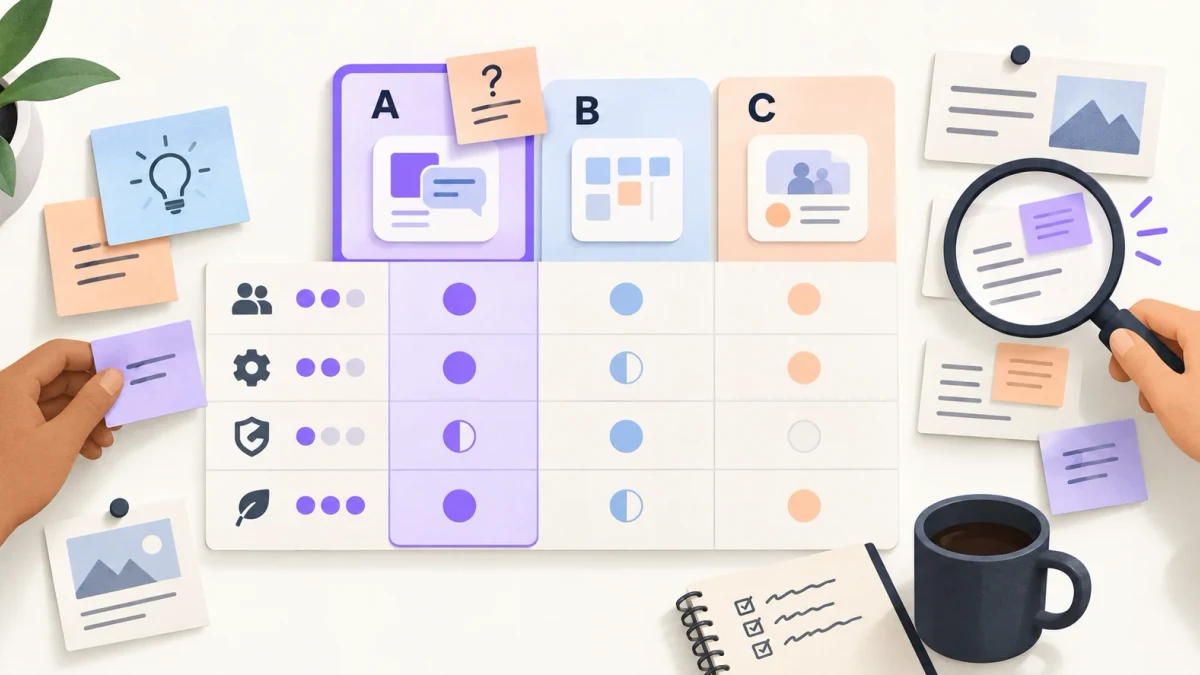
Decision Matrix How-To: Compare Three Collaboration Tools with Weighted Criteria
A practical decision matrix tutorial with a worked three-tool example, clear weighting and rating rules, evidence notes, gates, and a sensitivity check.

A3 Problem-Solving Example: Reduce Training-Request Rework
Follow a training-request handoff from unclear information to a targeted countermeasure, with evidence, measures, and an honest results-pending trial.
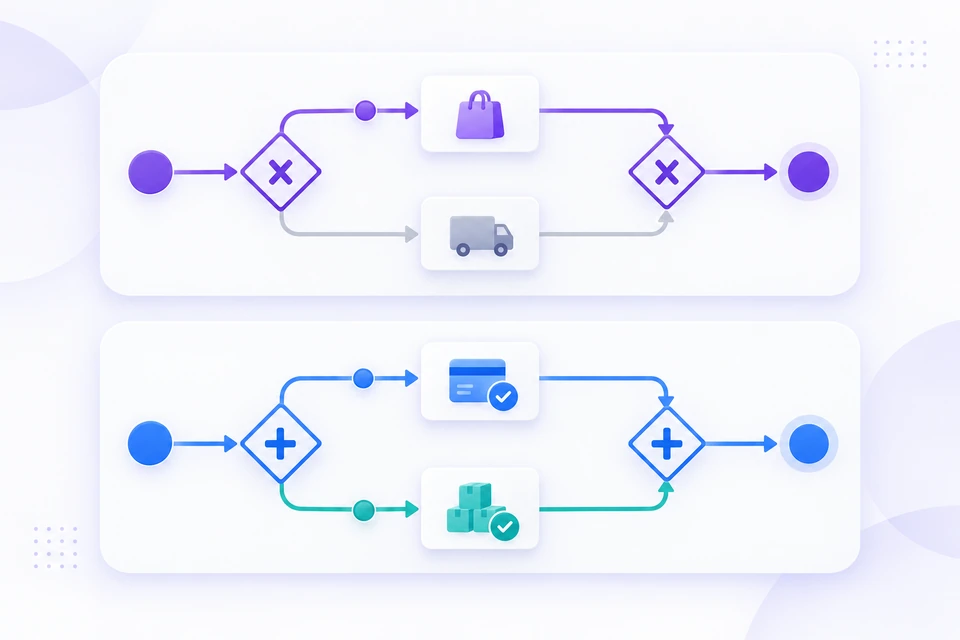
BPMN Exclusive vs. Parallel Gateway: An Order-Check Example
See why pickup or delivery needs a different gateway from payment and stock checks, and how the wrong join changes the process.

Many-to-Many ER Diagram: Model a Course Enrollment Table
Turn students and courses into a clear relational model, then handle duplicate enrollment and courses that run more than once.
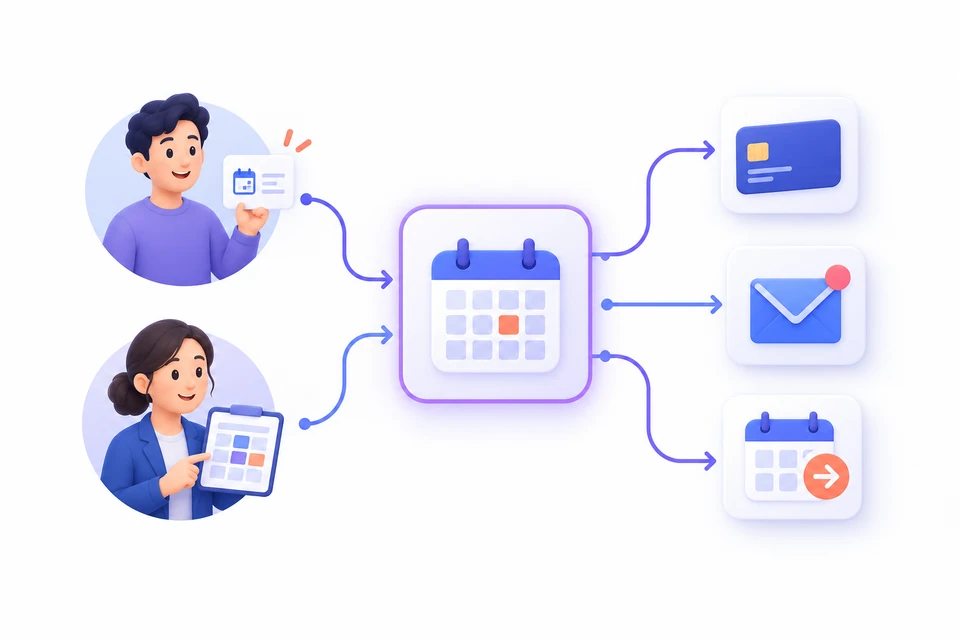
C4 System Context Diagram Example: A Booking Platform
A worked C4 level-one example shows what belongs around a booking platform, what to leave out, and how to label its relationships clearly.

Product Experiment Card Example: Test a Booking Reminder
Work through a booking-reminder test card, from an observable claim to ambiguous findings and a sensible next product decision.
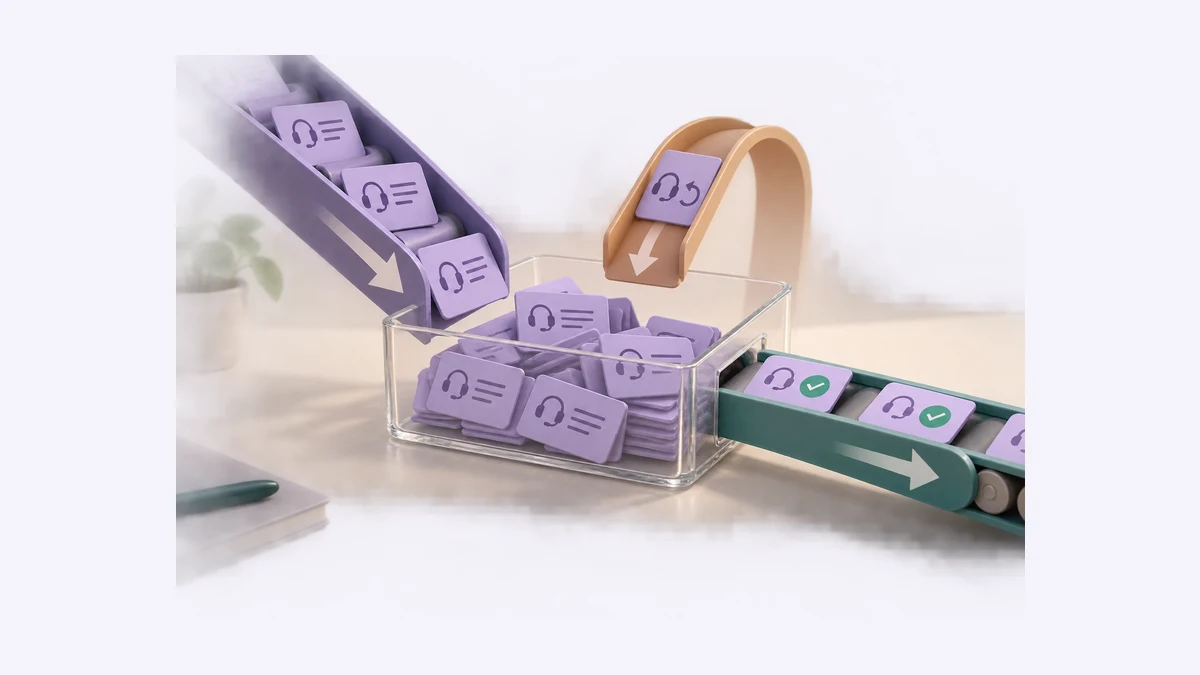
Stock and Flow Diagram Example: Why a Support Backlog Keeps Growing
Separate a queue's size from its flows and calculate how reopening can grow the backlog even when resolutions exceed new tickets.

DACI Decision-Making Example: Choose a Product Rollout Plan
See how a Driver, one Approver, Contributors, and Informed teams work through pilot, general-release, and delay options for a product rollout.

Opportunity Solution Tree Example: Help Learners Finish a Practice Session
Follow one learner need through three alternative solutions, keeping the product outcome, research evidence, and assumptions distinct.

Split a User Story into Deliverable Slices: A Checkout Example
Turn a large checkout request into a first usable purchase path, with acceptance examples, clear exclusions, and later slices chosen for customer needs.

Concept Map Linking Words: Fix Vague and Reversed Connections
Repair vague labels, reversed arrows, and overloaded connections with six concrete examples and a complete library-lending concept map.
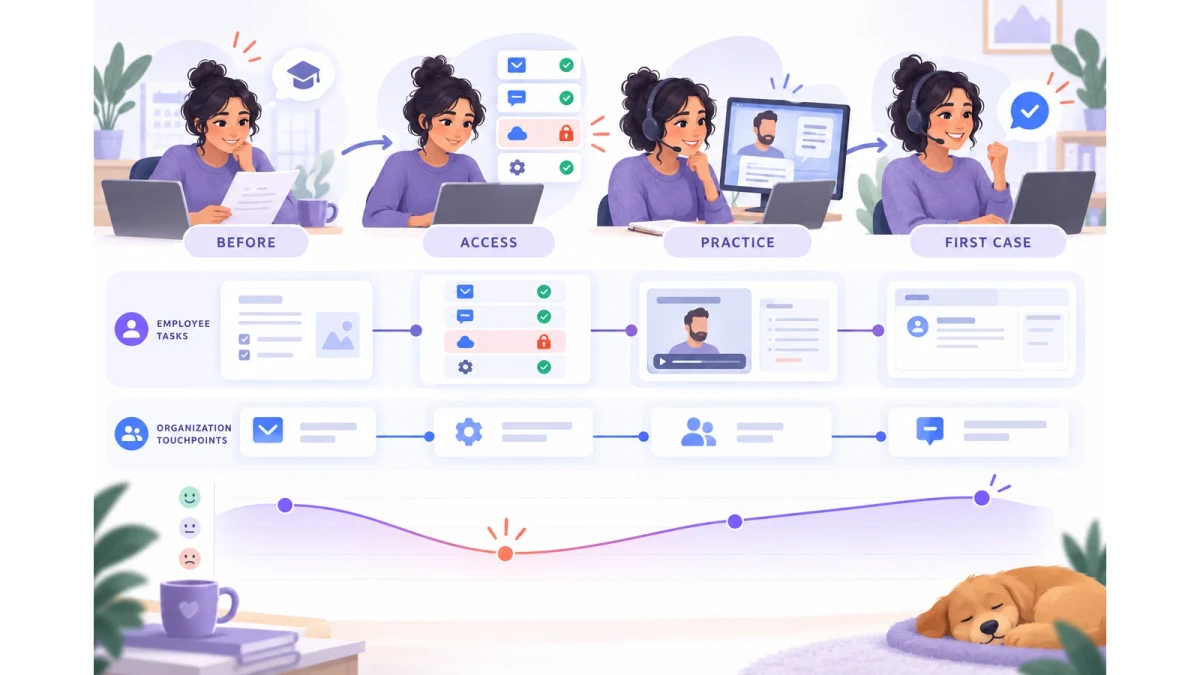
Employee Onboarding Journey Map: A Worked Remote-Support Example
A remote-support onboarding journey reveals an access-permission gap and the owner who can resolve it.
Work in an Efficient and Creative Way
Inspiration Thinking Creation Management Demonstration Collaboration