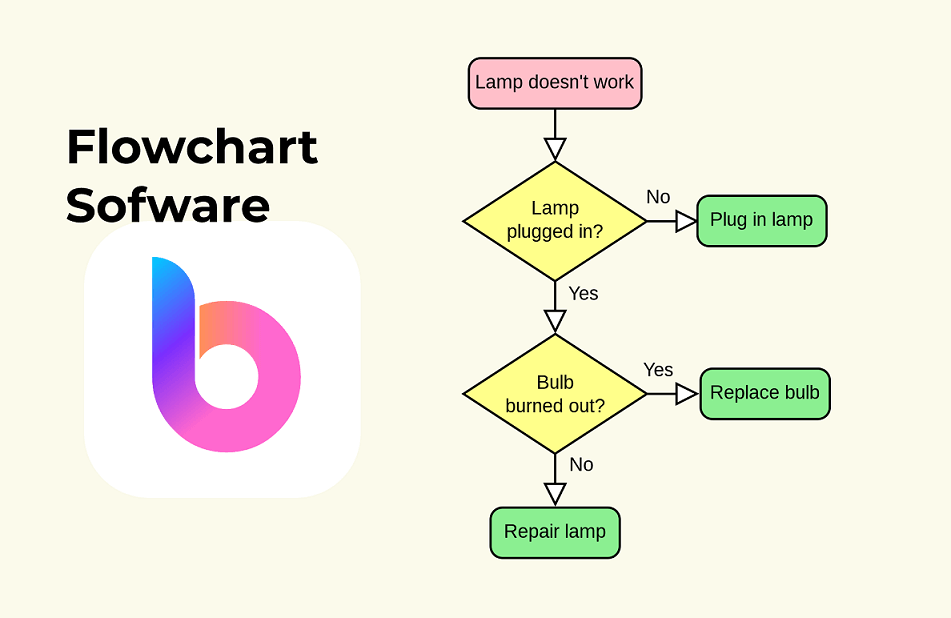
Boardmix is a practical Miro board alternative for a small team that wants an accessible shared canvas, diagrams, mind maps, templates, AI options, and a direct Miro import path. Start with the free plan for a bounded test, then price the Starter or AI plan when normal boards exceed the free limits.
Define the Small-Team Workflow
Choose one repeated activity such as a weekly planning board, retrospective, customer-journey map, content calendar, mind map, or lightweight project overview. Name the board owner, expected contributors, external guests, review cadence, and the point at which a board is archived.
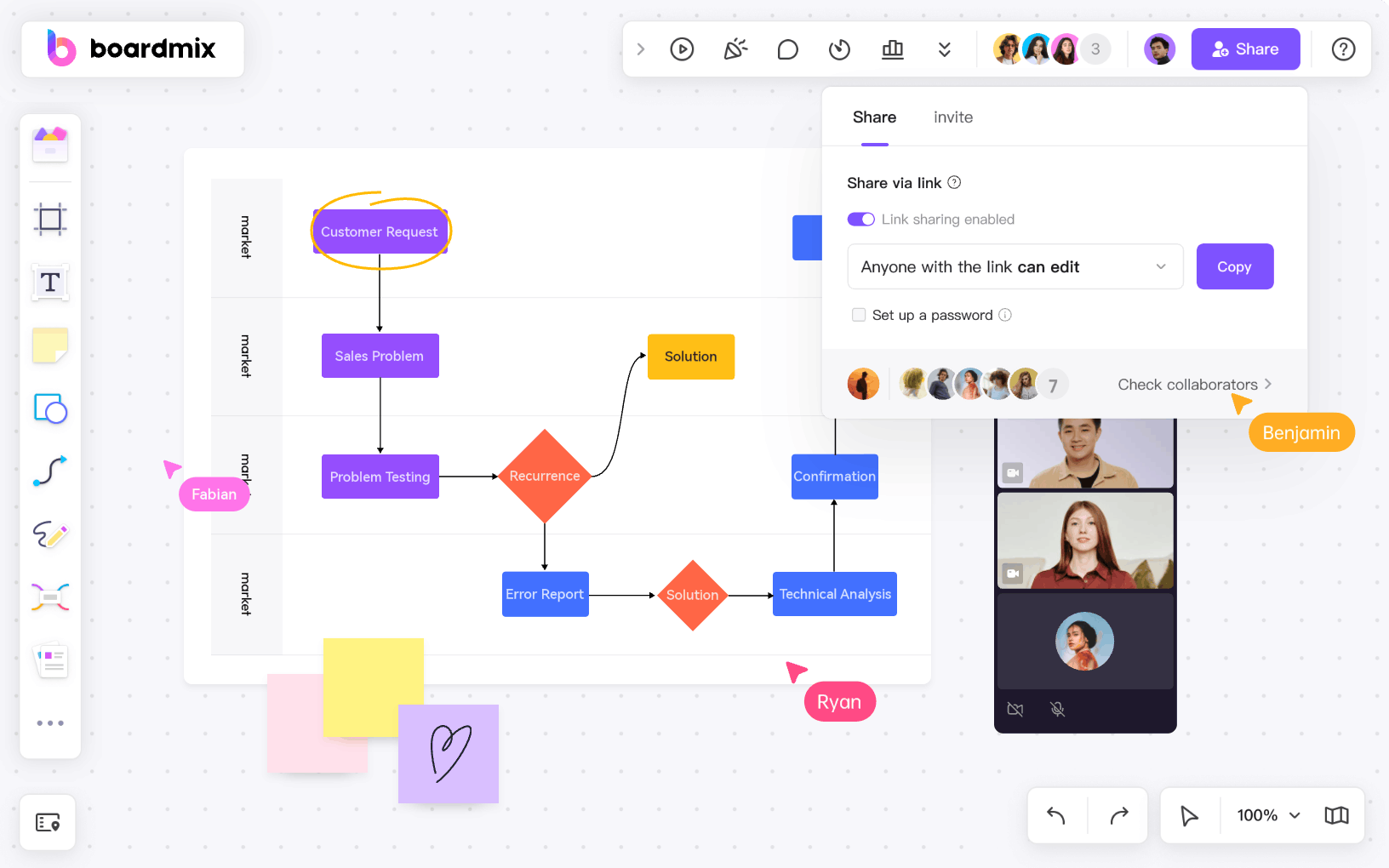
Write a one-page baseline before testing. Note how long setup takes in Miro, how many people edit, which objects and integrations are used, how the result is shared, and where actions are tracked. The same baseline keeps a visually attractive demo from hiding extra work that appears after the meeting.
Compare the Features You Will Actually Use
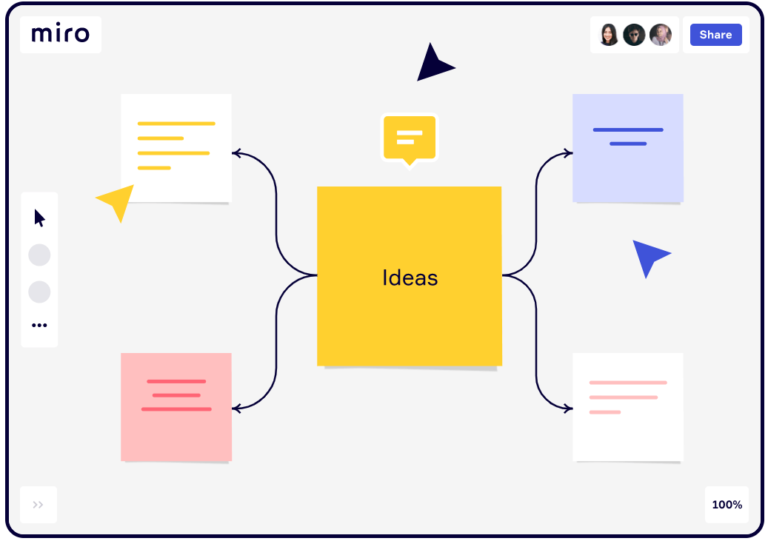
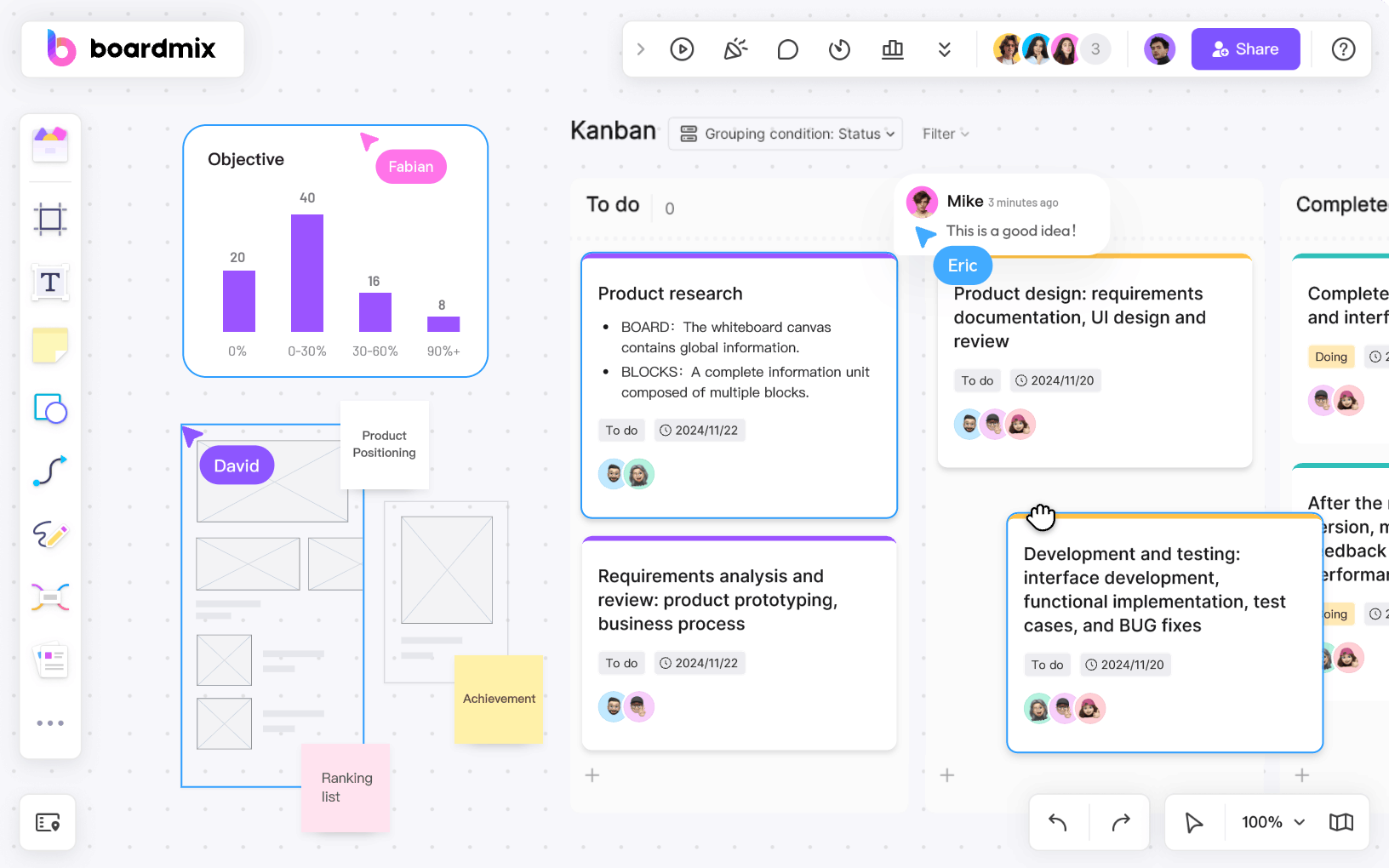
Miro offers a broad intelligent canvas and integration ecosystem. Boardmix combines core whiteboarding with diagrams, mind maps, templates, and separate AI plans. A small team should score the five to ten capabilities used every week rather than paying for the longest feature list.
Miro as the Existing Baseline
Record the parts of Miro that the team depends on today: facilitation, templates, guest access, comments, presentation, integrations, search, history, or administration. The purpose is not to reproduce every available feature. It is to identify the behaviors a replacement must preserve and the features the team no longer needs to fund or maintain.
Boardmix as the Pilot Workspace
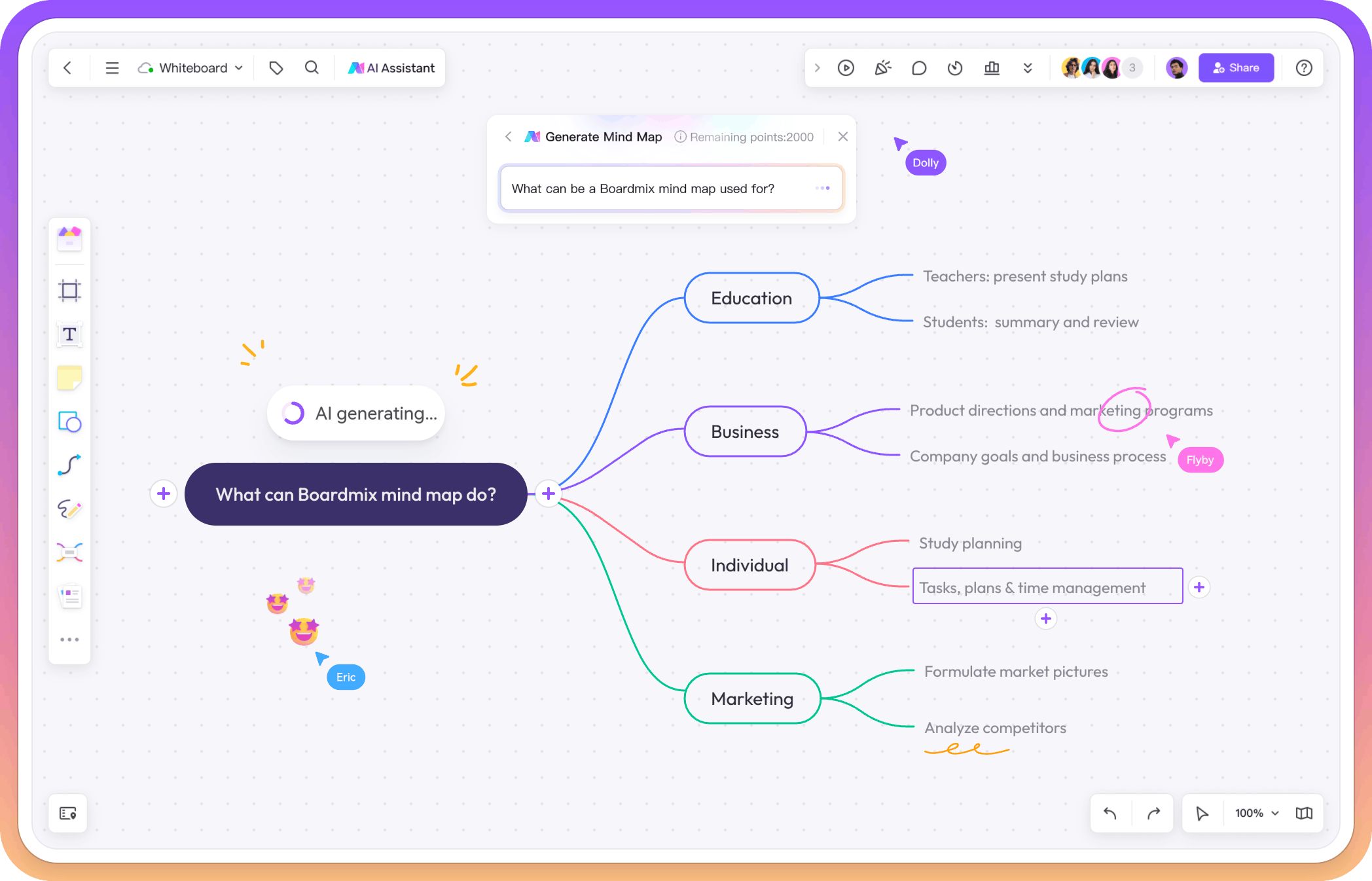
Create the same deliverable in Boardmix and keep it active through one complete work cycle. For example, start a mind map during planning, convert decisions into a simple visual plan, invite a guest to review it, and export the final result. If AI is relevant, include both generation and manual editing in the test rather than judging only the first output.
- Fast board creation and understandable templates
- Guest and member access that matches the team's partners
- Stable editing for the team's normal board size
- Comments, links, exports, and history needed for follow-through
- Required meeting, file, or project-management connections
Compare Current Plan Cost
As of September 16, 2026, Miro lists Starter at $8 per member per month billed annually and Business at $20. Boardmix lists Starter at $5 per member per month billed annually; its AI Starter and AI Business plans are listed separately. Both vendors also offer free plans with three editable boards, but their limits and behavior differ.
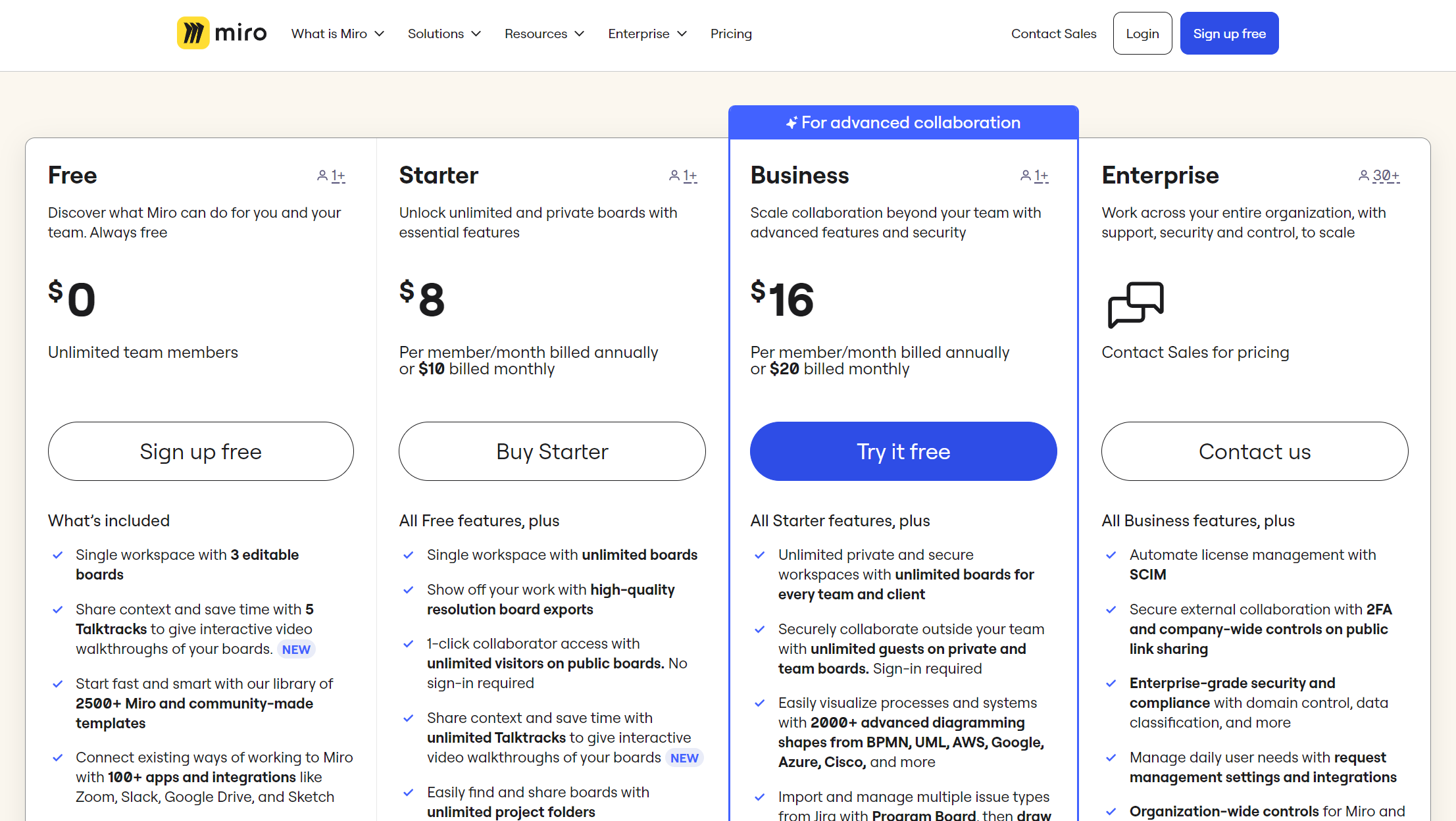
Use the Miro screenshot as a dated reference, then confirm the live price and which members require a paid seat. Record the features the small team actually uses on Starter or Business, including any guest, history, integration, administration, or AI requirement that changes the calculation.

Apply the same method to Boardmix. Match the core or AI plan to the pilot's observed board capacity, member roles, AI usage, storage, and support instead of comparing only two monthly numbers. This produces a like-for-like annual estimate and exposes features that would otherwise be discovered after migration.
For five people, model the exact members who need paid access, expected guest use, AI usage, storage, administration, and integrations. Recheck Miro pricing and Boardmix pricing because published terms can change.
Import One Miro Board
Boardmix documents direct import for cards, connectors, frames, images, shapes, sticky notes, and text. Select a board that contains the same kinds of objects used elsewhere, preserve an export for reference, and follow the direct migration guide.
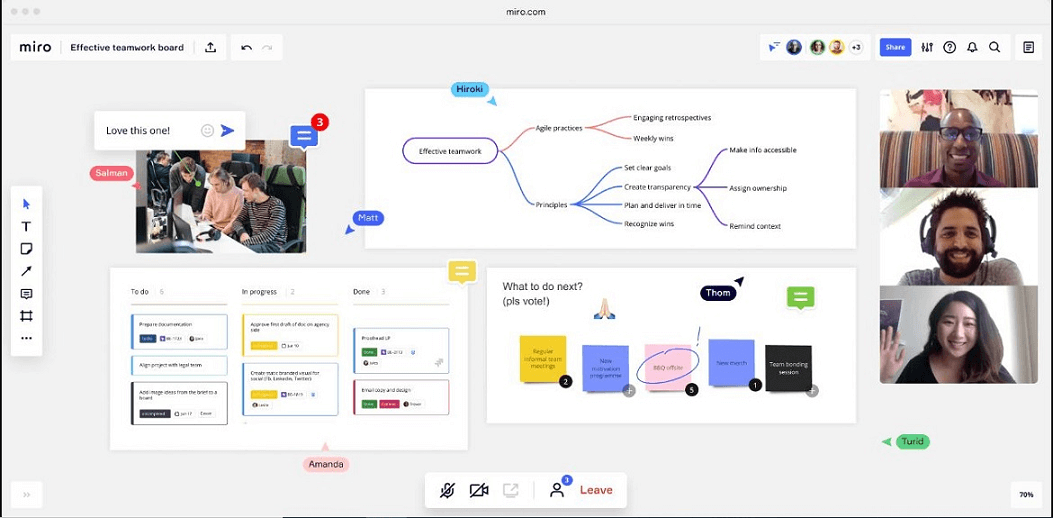
Before import, record the source owner, workspace, sharing settings, linked documents, comments, and any app-created objects. Create a visual reference so the team can compare frame order, text, connectors, colors, images, and overall layout after transfer. Use a copy or approved export rather than experimenting on the only production board.
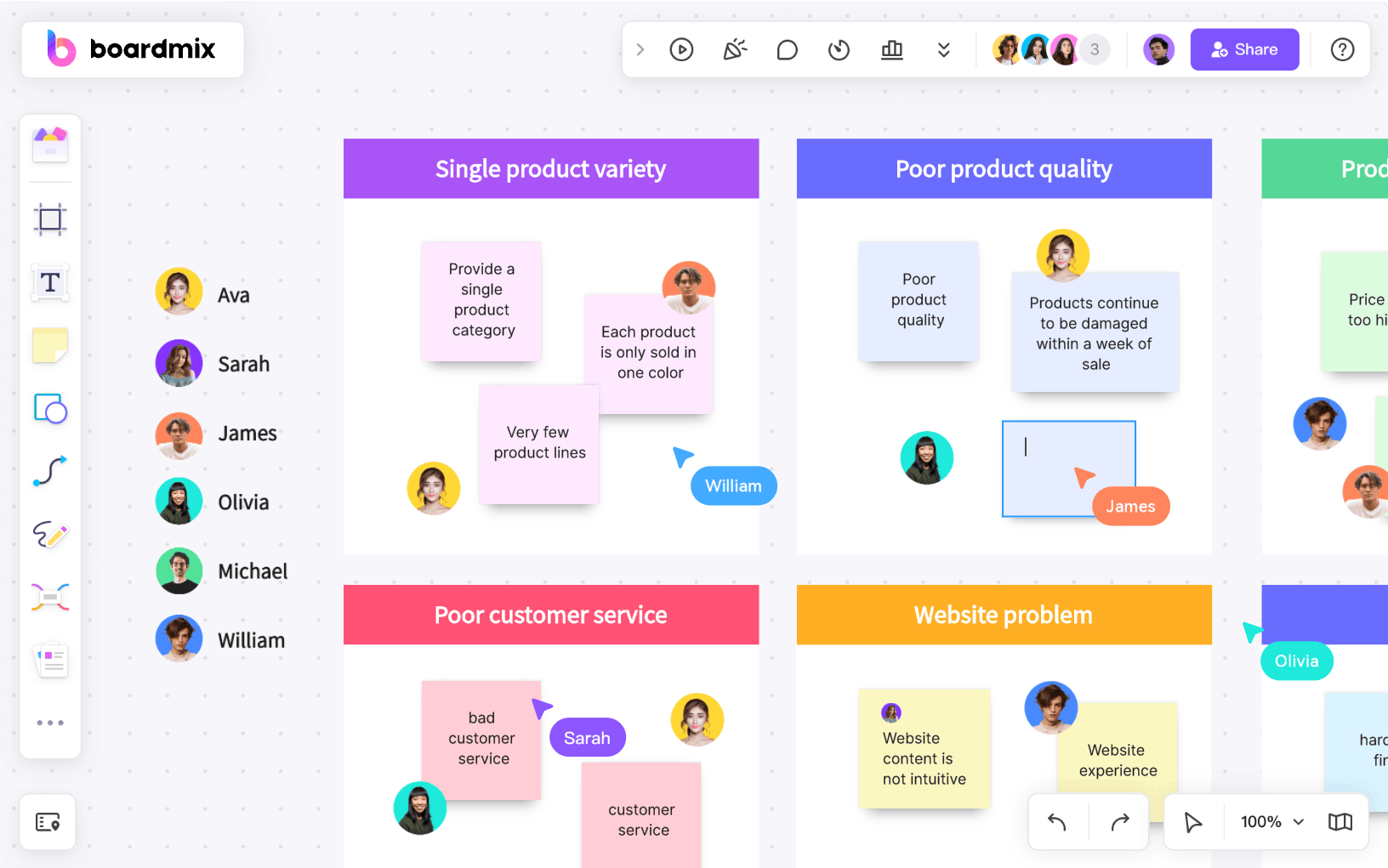
After import, open every major frame and check the documented editable object types first. Then review links, comments, permissions, history, integrations, embedded files, and unusual objects separately. Assign repairs and let the board owner approve the result before changing links or inviting a wider audience.
Set Up the Boardmix Workspace
- Sign in and create or select the team's destination workspace.
- Create a simple folder structure for active work, templates, and archives.
- Import the pilot board and assign a destination owner.
- Check objects, links, layout, sharing, and exports.
- Write a short naming and archiving rule before creating more boards.
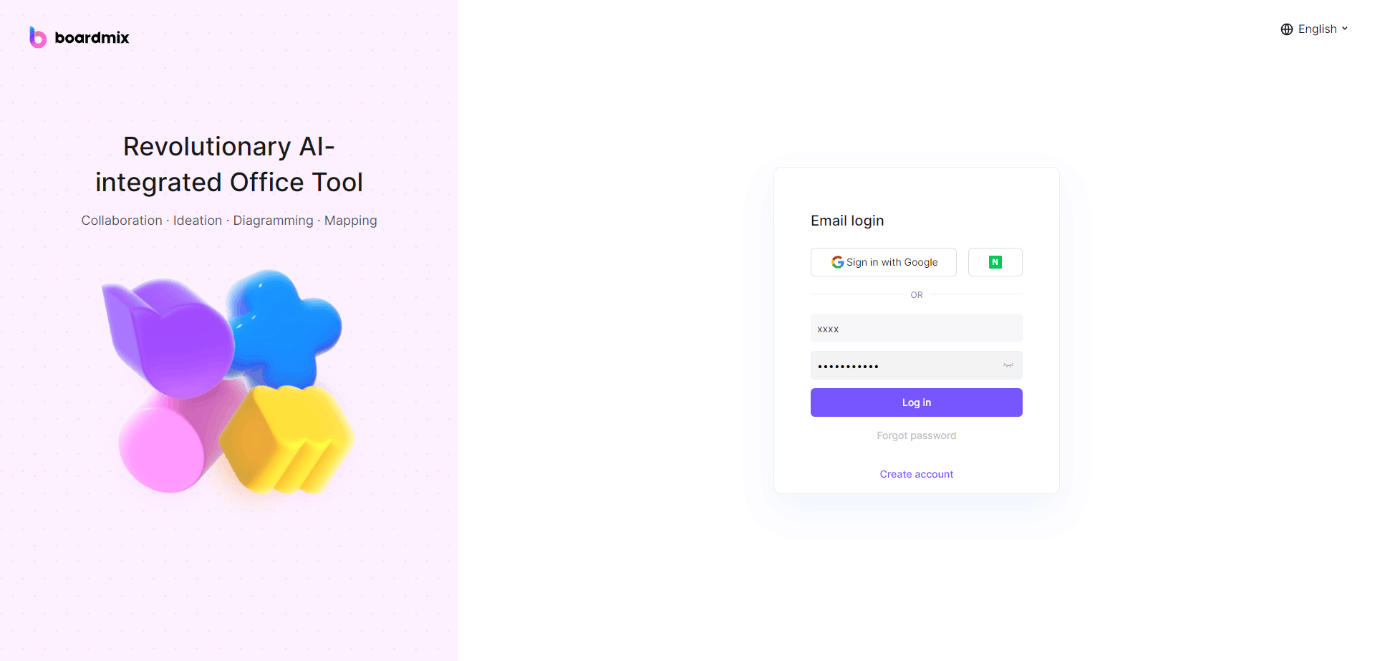
Use a team-controlled account and confirm which workspace is active before creating or importing content. This prevents a pilot board from being placed in a personal area that later needs another ownership change.
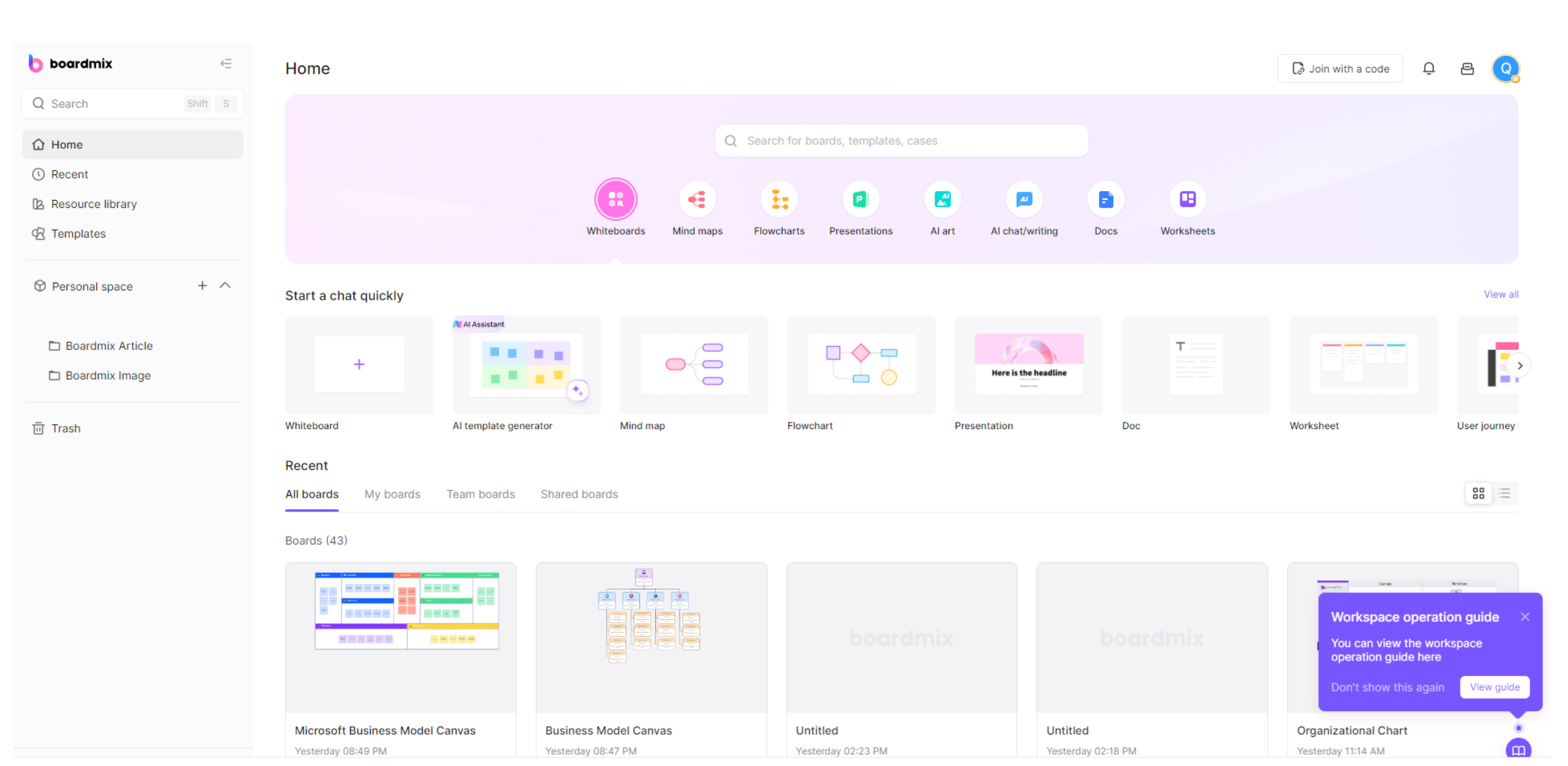
Keep the initial structure small: active projects, reusable templates, and archive are often enough. Agree on a board naming pattern that includes the project or team, purpose, and period so people can find the current board without opening several similar copies.
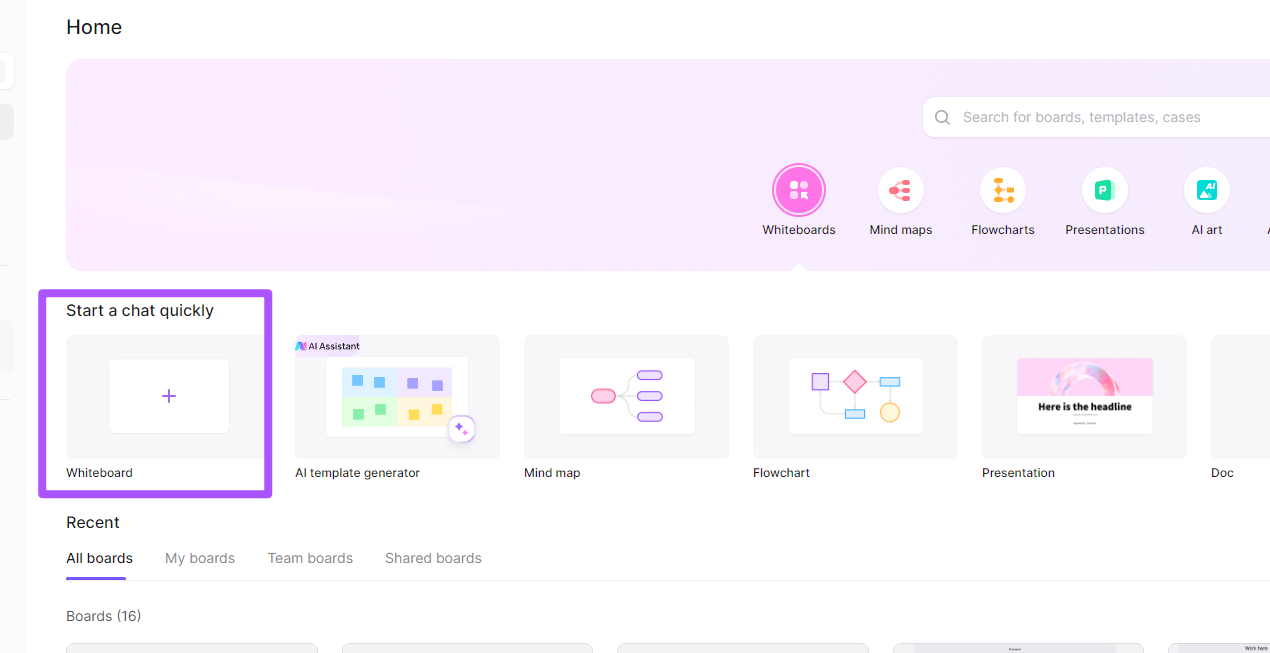
Create one blank board as well as the imported board. This tests whether the team can start future work efficiently without relying on migration. Prepare only the essential frames, instructions, and access settings, then observe where first-time contributors need help.
Decide Between Subscription and Current Lifetime Options
Boardmix currently lists lifetime options in addition to subscriptions. Do not choose only on the payback calculation. Confirm included members, AI credits, storage, future feature access, support, refund terms, and whether the plan matches likely team growth. Treat the current offer as date-sensitive.

Create Lightweight Team Rules
A small team benefits from fewer rules, but it still needs an owner, a predictable board name, clear guest access, and an archive schedule. Put final decisions near the top of the board, link the source of truth, and retire duplicate canvases so visual collaboration does not become another information silo.
Last verified: September 16, 2026. Miro is a trademark of Miro. Boardmix is not affiliated with or endorsed by Miro.