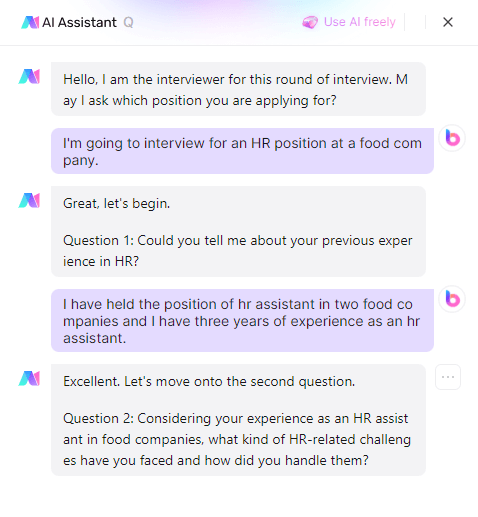




In the current professional landscape, "efficiency" is no longer just a buzzword—it is the baseline for survival. From the bustling financial hubs of London to remote creative studios across the UK, businesses and individuals are increasingly turning to AI Agent technology to sharpen their competitive edge.
Whether it is automating complex financial reports, providing 24/7 intelligent customer support, or offering bespoke lifestyle recommendations, AI Agents are moving beyond simple chatbots to become the "digital employees" of the future. This guide explores the fundamental concepts of AI Agents, their practical applications, and the best platforms currently available.
What are AI Agents?
If you are just beginning to explore this technology, the first question is naturally: what are ai agents?
In simple terms, an AI Agent is an intelligent system capable of autonomously perceiving its environment, reasoning through information, and executing tasks to achieve a specific goal. Unlike traditional software that requires a human to click every button, an AI Agent can receive data—via text, voice, or digital sensors—make an informed judgment, and take action without constant manual intervention.
While traditional software follows a strict "if-this-then-that" logic, AI Agents possess a level of autonomy. They don't just process data; they assist or even replace manual operations in complex, unpredictable scenarios.
Categories of AI Agents
To better understand how they fit into your workflow, we can categorise them into four main types:
- Conversational Agents: Focus on natural language interactions, such as virtual assistants or sophisticated customer service bots.
- Task-Oriented Agents: Designed for specific administrative duties like report generation, schedule management, or email sorting.
- Recommendation Agents: These analyse user behaviour to provide tailored suggestions, common in e-commerce and content streaming.
- Automation Agents: High-autonomy systems that manage multi-step workflows, such as smart office controls or automated supply chain logistics.
How do AI Agents Work?
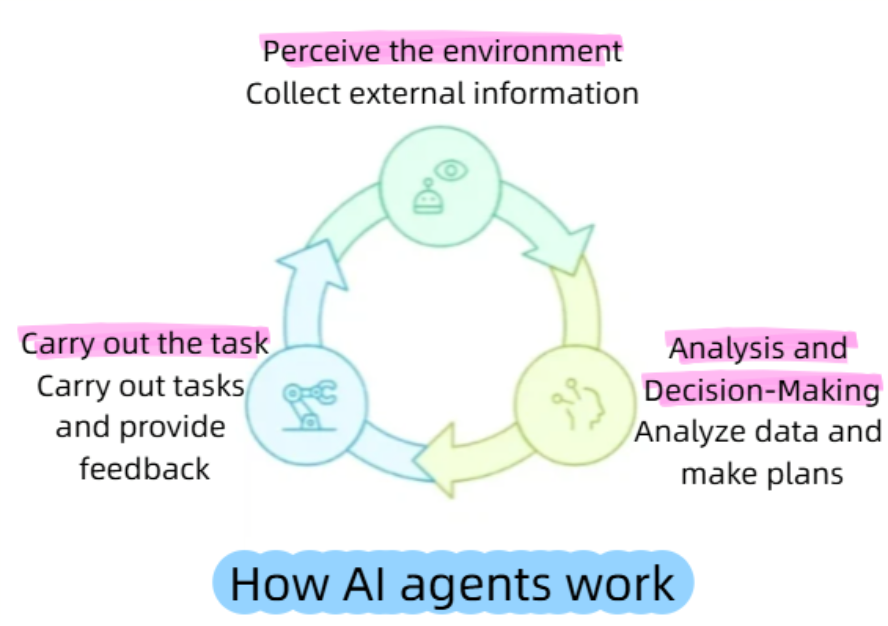
The "magic" of an AI Agent lies in a three-stage cognitive loop: Perception → Decision → Execution.
- Perceiving the Environment: The agent gathers raw data from its surroundings. This could be a user’s typed request, a change in a spreadsheet, or a voice command.
- Analysing and Deciding: Using internal algorithms (such as Deep Learning or Natural Language Processing), the agent evaluates the data against its goal. It formulates an "action plan" rather than just providing a pre-written answer.
- Taking Action: The agent executes the task—this could be drafting an email, generating a project flowchart, or updating a database—and provides feedback to the user.
For example, customer service agent perceives a user's question, decides on the correct response by analyzing the intent, and then acts by providing an answer or triggering a refund. This ability to autonomously sense and act transforms AI Agents from simple data processors into active assistants that can independently accomplish real-world tasks.
What are AI Agents Used For?
Understanding the theory is one thing, but what are ai agents used for in the real world? Their utility spans across almost every sector, significantly reducing the "drudge work" of daily operations.
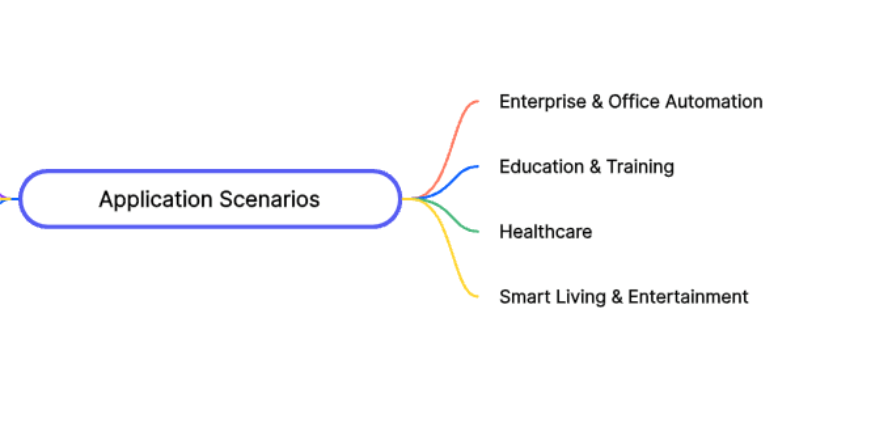
Business & Office Productivity
AI Agents can automate the creation of weekly performance reports, summarise lengthy meeting minutes into actionable points, and manage complex calendars. This allows staff to focus on high-value strategy rather than administrative maintenance.
Education & Training
In the UK education sector, AI Agents are being used to provide personalised learning pathways. They can assist with grading, offer instant feedback to students, and help educators organise vast amounts of curriculum data into structured lesson plans.
Healthcare & Diagnostic Support
AI Agents can monitor patient data in real-time, alerting medical professionals to significant changes and assisting doctors by cross-referencing medical records with the latest clinical research.
Creative Collaboration & Visualisation
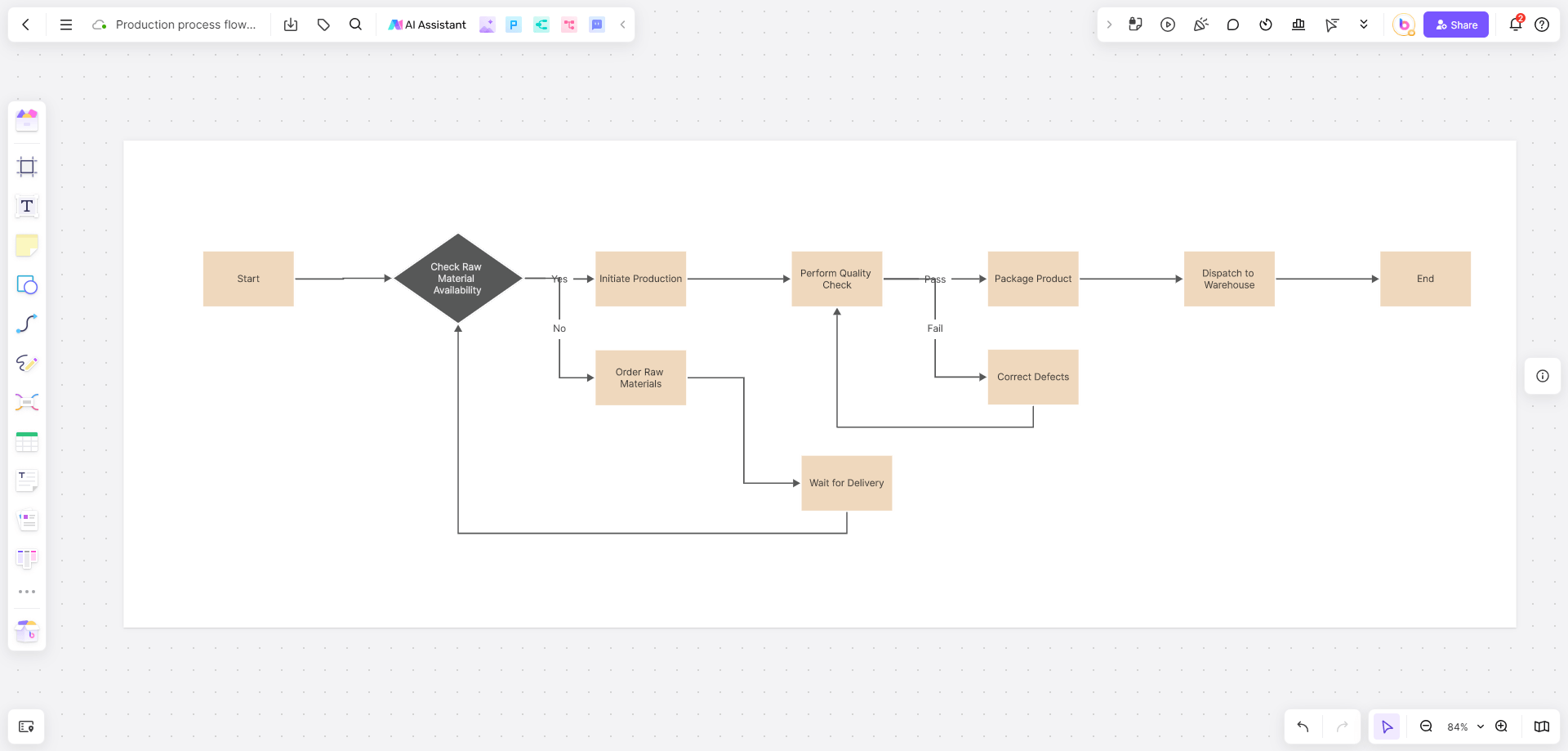
For design teams and project managers, AI Agents are used to transform abstract ideas into structured visual outputs. For instance, tools like Boardmix allow users to generate flowcharts and mind maps instantly, bridging the gap between a brainstorm and a finalised project plan.
AI Agents vs. Large Language Models (LLMs)
It is a common misconception that ChatGPT and an AI Agent are the same thing. While they are related, their roles differ:
- Autonomy: An LLM (like GPT-4) is primarily a "brain" that understands and generates text. An AI Agent is the "hands"—it uses that brain to go out and perform tasks like booking a flight or filing a report.
- Interaction: You talk to an LLM; you work with an AI Agent.
- The Workflow: In a modern setup, an AI Agent often uses an LLM as its reasoning engine. The LLM handles the "understanding," while the Agent handles the "doing."
Best AI Agent Platforms for Small Business
For small to medium enterprises (SMEs), choosing the right tool is vital for a high return on investment. Here are the best ai agent platforms for small business available today:
OpenAI's ChatGPT in Agent Mode
This powerful feature transforms ChatGPT into an intelligent agent capable of understanding natural language and executing complex tasks. Beyond answering questions and generating text, it can integrate with other applications through plugins and APIs to automate complete workflows.
Microsoft Copilot
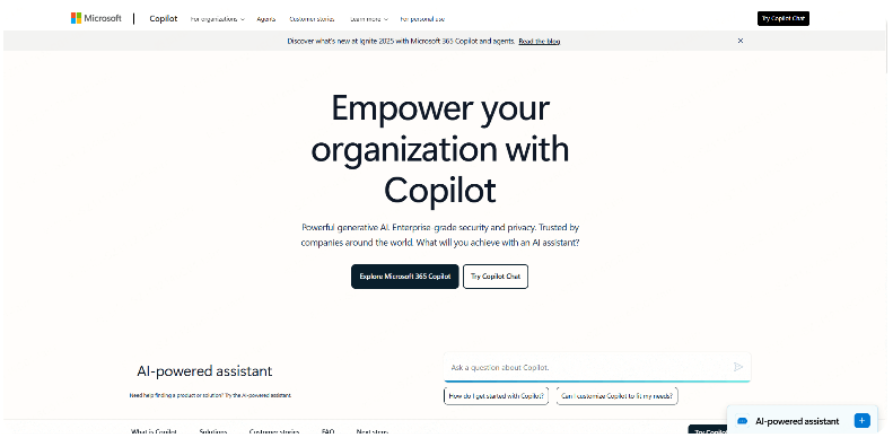
Deeply integrated into the Office suite, Microsoft Copilot acts as an intelligent assistant that streamlines core business tasks. It can automatically generate documents, analyze data, draft emails, and summarize meeting notes—all within the familiar Microsoft 365 environment.
Claude AI Agent
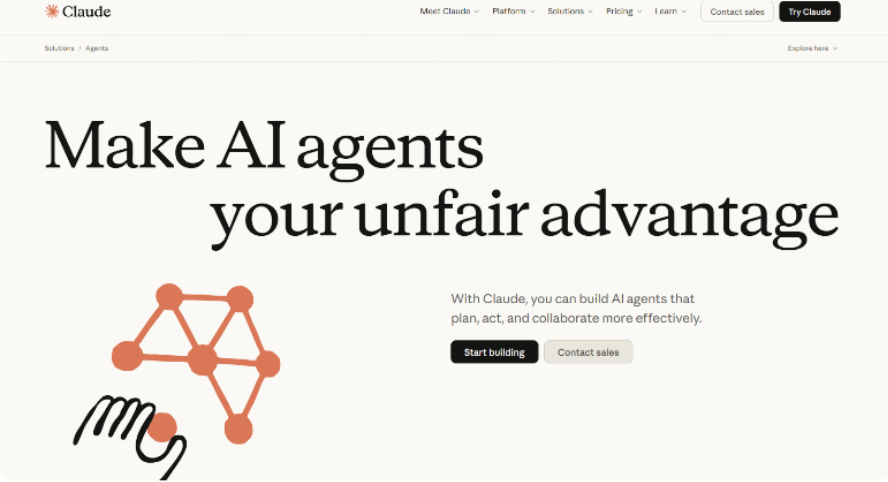
Claude AI Agent is an intelligent system engineered with a core focus on safety and sophisticated multi-turn interactions. Designed for enterprise knowledge management and complex problem-solving, it excels at understanding nuanced context to deliver precise answers and, when needed, assist in task execution.
Notion AI Agent
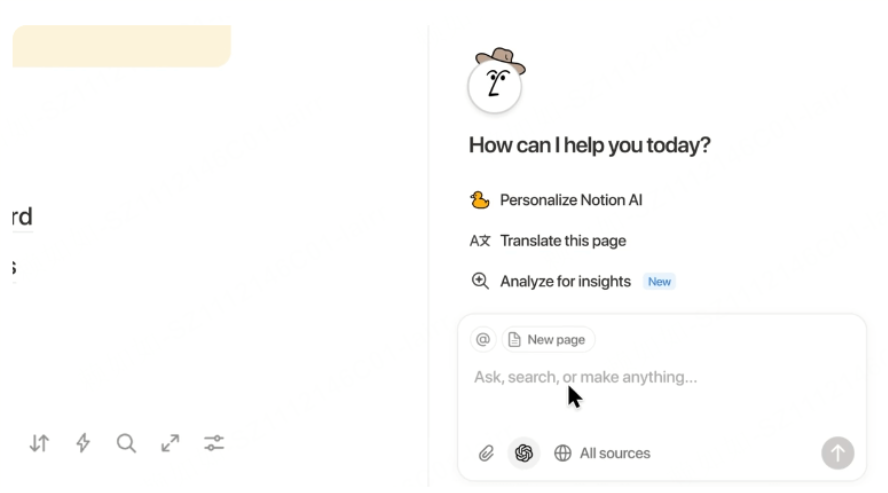
Notion AI Agent seamlessly combines AI capabilities with notion. It intelligently generates task lists, summarizes documents, creates schedules, and drafts project reports—transforming how teams and individuals organize information.
Boardmix AI
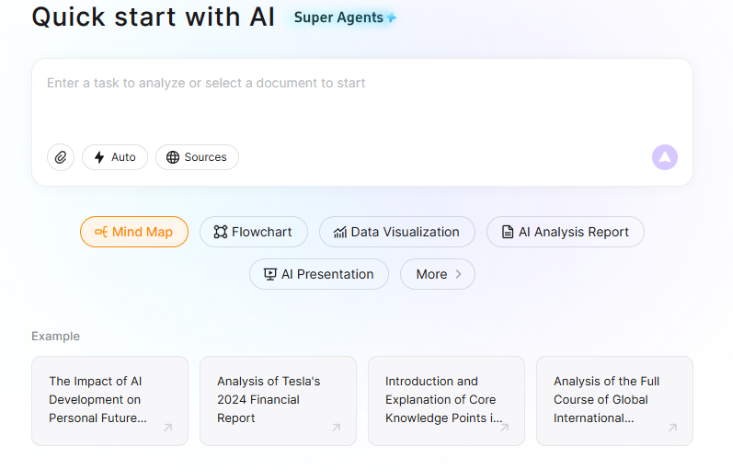
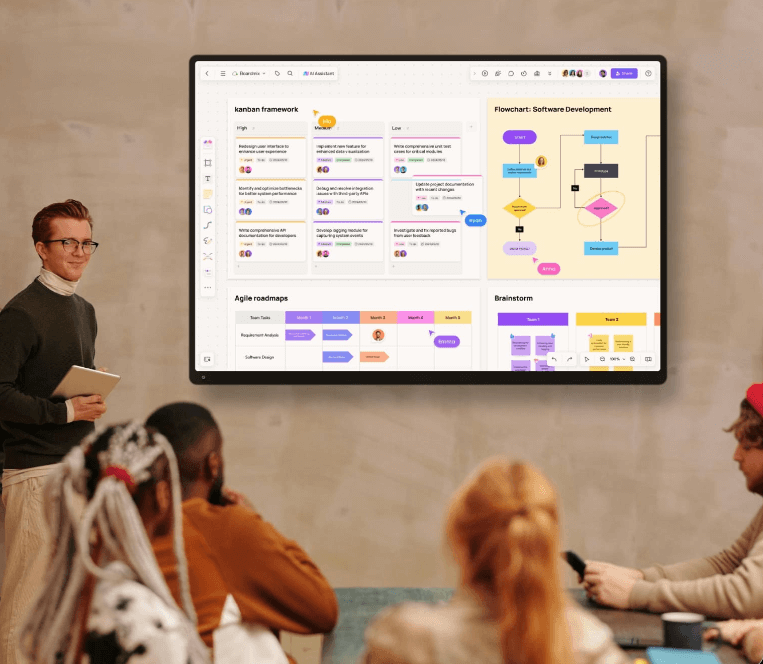
Boardmix AI specializes in content creation and online collaboration, supporting AI-generated flowcharts, mind maps, business canvases, and presentations. Users can quickly transform ideas into structured outcomes on a single platform while collaborating seamlessly with their teams. It is particularly suited for design teams, product managers, and education and training sectors—any scenario requiring fast organization of ideas and structured content. With Boardmix AI, teams can achieve end-to-end efficient collaboration from inspiration to execution. Try Boardmix AI for free!
The Pros and Cons of AI Agents
As AI Agents see widespread adoption across industries, it's critical to understand both their strengths and limitations to deploy them effectively and maximize their value.
Key Advantages
- Unrivalled Efficiency: By automating repetitive tasks, agents free up human workers for more creative and strategic endeavours.
- 24/7 Availability: Unlike human staff, AI Agents can provide customer support or process data around the clock.
- Reduced Human Error: Data-driven decisions are consistent and less prone to the fatigue-related mistakes common in manual data entry.
- Enhanced Collaboration: AI Agents with integrated collaboration features, like boardmix AI, help teams rapidly brainstorm ideas, create flowcharts, and generate presentations, seamlessly bridging the gap between concept and execution.
Current Limitations
- Data Dependency: An agent is only as good as the data it is trained on. Poor quality data leads to poor outcomes.
- Nuance & Emotion: AI still struggles with tasks requiring high emotional intelligence or deep cultural context.
- The Learning Curve: Implementing these platforms requires a shift in company culture and a period of training to master "prompting" and workflow integration.
Conclusion
AI Agents are no longer a futuristic concept; they are a practical necessity for anyone looking to optimise their workflow in 2026. From automating your inbox to visualising your next big business strategy with Boardmix AI, these tools offer a path to a more intelligent, streamlined way of working.
If you are ready to move from inspiration to execution, start by exploring how these agents can handle your most repetitive tasks. The future of work isn't about working harder—it’s about working smarter with an AI Agent by your side.