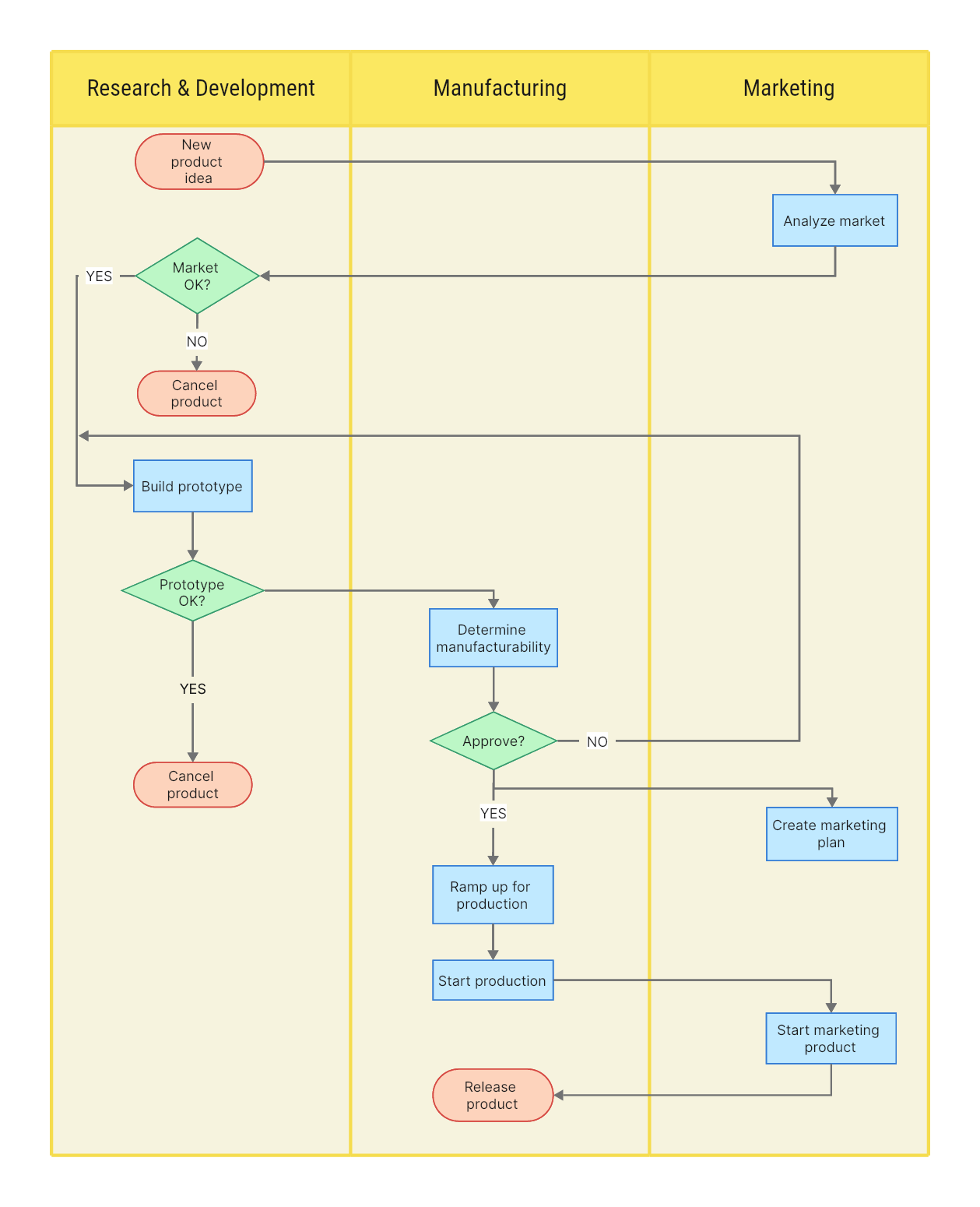
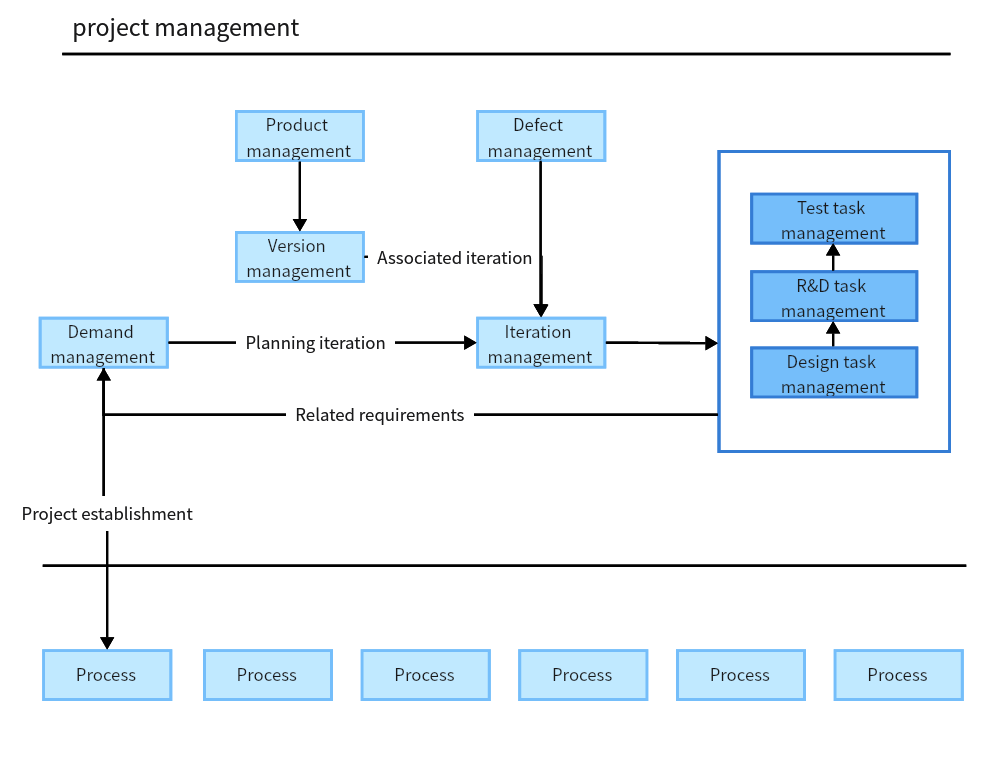
Improve decision-making by defining the decision and success criteria, gathering relevant evidence, generating realistic options, comparing trade-offs and risks, checking assumptions, setting a deadline, and reviewing the result. The 12 techniques below turn those actions into a repeatable process for personal and team decisions.
Use more rigor as a decision becomes harder to reverse, more expensive, or more consequential. A routine choice may need only a quick check; selecting a vendor, changing a process, or committing a team requires documented criteria, evidence, owners, and a review plan.

What Is Decision-Making?
Decision-making is the process of choosing a course of action from two or more alternatives. A complete process identifies the decision, gathers information, develops options, compares them against consistent criteria, selects and implements an option, and reviews the consequences.
The UMass Dartmouth decision-making process presents a seven-step sequence from identifying the decision through reviewing its consequences. The techniques below build on that practical sequence while adding criteria, risk, ownership, and learning checks that are useful for team decisions.
A good decision and a good outcome are not identical. A sound process can still meet an unexpected result, while a weak process can occasionally succeed by luck. Judge the decision by the information available at the time, the quality of the reasoning, and whether uncertainty was handled explicitly.
How to Improve Your Decision-Making Skills
Practice the same core process on decisions of different sizes. The aim is not to analyze every choice indefinitely; it is to spend enough effort to understand the options, consequences, and uncertainties before committing.
1. Define the decision and its boundaries
Write the decision in one sentence: "We need to decide [what] by [date] because [reason]." Name the decision owner, the people affected, and what is outside the scope. A clear boundary prevents the discussion from drifting into adjacent problems.
2. Set success criteria before comparing options
List the conditions every acceptable option must meet, then separate must-haves from preferences. Make each criterion specific enough to assess, such as implementation time, total cost, reliability, accessibility, or reversibility. Set the criteria before choosing a favorite so the comparison does not simply justify a preference. A worked decision matrix example shows how to weight those criteria, score three options consistently, and check whether a small change in assumptions would reverse the result.
3. Gather decision-relevant evidence
Collect information that could realistically change the choice. Record the source, date, and owner for important facts, and label estimates and assumptions instead of presenting them as evidence. Stop gathering when new information is unlikely to alter the ranking of the options.
4. Generate more than one viable option
Include the status quo when it is a real alternative, then develop at least one meaningfully different course of action. Describe each option at the same level of detail. Comparing a complete proposal with a vague alternative produces a biased result.
5. Compare pros, cons, and opportunity costs
Apply the same criteria and time horizon to every option. A structured pros-and-cons analysis can expose benefits and drawbacks, but do not stop at the number of items: consider their importance, who receives the benefit or bears the cost, and what must be given up.
6. Seek diverse, relevant perspectives
Ask people who understand implementation, risk, and the needs of those affected. Collect independent views before a group discussion when possible, because the first confident opinion can anchor the conversation. Clarify who is advising and who has final decision authority.
7. Check assumptions and cognitive bias
List the assumptions that would reverse the decision if they proved false. Test the most uncertain and high-impact assumptions first, and ask what evidence would change your mind. Watch for confirmation bias, sunk-cost reasoning, and a preference for information that supports the leading option.
8. Prioritize by urgency and impact
Separate what is urgent from what is important. Reversible decisions with limited downside can often move quickly, while irreversible or high-impact decisions deserve more evidence and review. When several decisions compete for attention, address the ones that unblock other work or prevent the largest credible loss.
9. Evaluate risk, reversibility, and downside
For each material risk, record its likelihood, impact, warning signs, mitigation, and owner. Compare the downside of acting with the downside of delay. If uncertainty remains high, consider a pilot or another reversible step that produces evidence before a larger commitment.
10. Use intuition as a signal, not proof
Intuition can surface a pattern or concern before you can explain it, especially in familiar situations. Write down what feels wrong and test it against the available evidence. For unfamiliar or high-stakes choices, do not let a gut feeling replace criteria, source checks, or specialist review.
11. Set a deadline and commit to action
Match the deadline to the decision's consequences and reversibility. When the deadline arrives, record the selected option, rationale, unresolved uncertainty, owner, and next actions. If the evidence is insufficient, choose the smallest safe experiment rather than leaving the decision open without a plan.
12. Review outcomes and update the process
Schedule the review when the decision is made, not after the result is known. Compare what you expected with what happened, identify which assumptions were correct or wrong, and record what should change next time. This separates learning from hindsight and turns individual decisions into a reusable team practice.
Organize a team decision with Boardmix
Boardmix is a collaborative online whiteboard, not an automated decision-maker. Its canvas can help a team organize the decision question, evidence, options, criteria, assumptions, and comments in one visual workspace. The team remains responsible for source quality, weighting the evidence, and making the final choice.
- Frame the decision: place the question, owner, deadline, and success criteria at the top of the board.
- Separate evidence from assumptions: group confirmed facts, estimates, and unknowns so reviewers can see what still needs validation.
- Compare options consistently: give every option the same criteria, time horizon, and level of detail.
- Map branching consequences: show decision points, outcomes, and conditions when the choice depends on several paths.
- Record the commitment: add the selected option, rationale, action owners, unresolved risks, and review date.
A visual board makes the reasoning easier to inspect, but votes, sticky-note counts, and polished diagrams are not evidence by themselves. Keep source links beside important claims and document disagreements that could affect implementation.

Better decisions do not require maximum analysis. They require a clear question, comparable options, proportionate evidence, explicit uncertainty, an accountable owner, and a review date. Apply the full process to consequential choices and a lighter version to decisions that are easy to reverse.