Connected collaboration is key to maintaining productivity, especially in a remote work environment. Zoom, a leading video conferencing tool, has changed how teams communicate, but did you know that it also offers a powerful feature for visual collaboration? The Zoom Whiteboard is designed to enhance your meetings by providing an interactive space where ideas can be shared in real-time. However, while Zoom’s native whiteboard is useful, there are other alternatives like Boardmix that offer even more robust features for collaborative work. This article will guide you through using the Zoom Whiteboard for connected collaboration, explore Boardmix as an alternative, and provide tips for maximizing productivity.

What is Zoom Whiteboard and How to Use It for Collaboration?
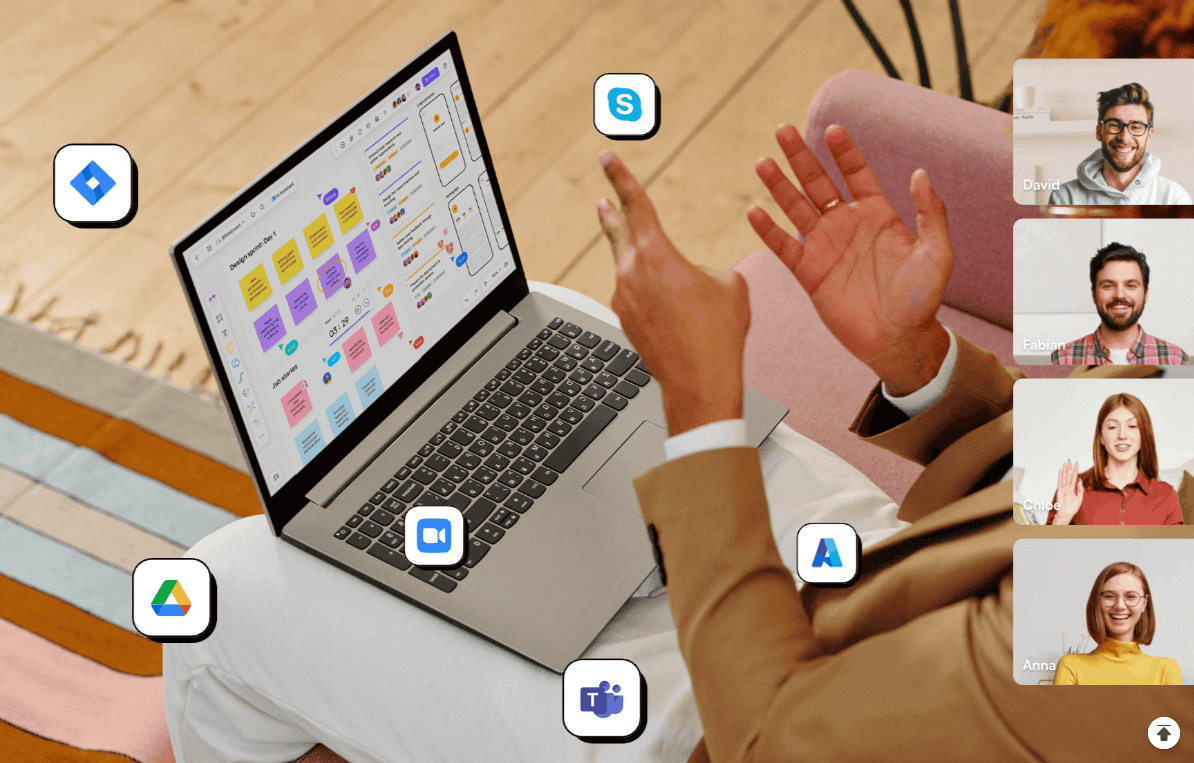
The Zoom Whiteboard is an online whiteboard that allows users to collaborate visually during a Zoom meeting. It functions as a digital canvas where participants can draw, write, and annotate in real-time, making it an excellent tool for brainstorming sessions, teaching, or visual demonstrations.

Collaborative Features:
The Zoom Whiteboard offers various tools such as text, draw, and stamp tools. You can use these to highlight ideas, create diagrams, or even sketch out rough concepts.
Participants can annotate simultaneously, making it an interactive space for group work.
Saving and Sharing the Whiteboard:
After the session, you can save the whiteboard content as an image or PDF. This feature ensures that your collaborative efforts are preserved and can be referenced later.
While the Zoom Whiteboard is a great starting point for visual collaboration, it does have limitations in terms of functionality and flexibility.
Zoom Whiteboard Alternatives: Boardmix
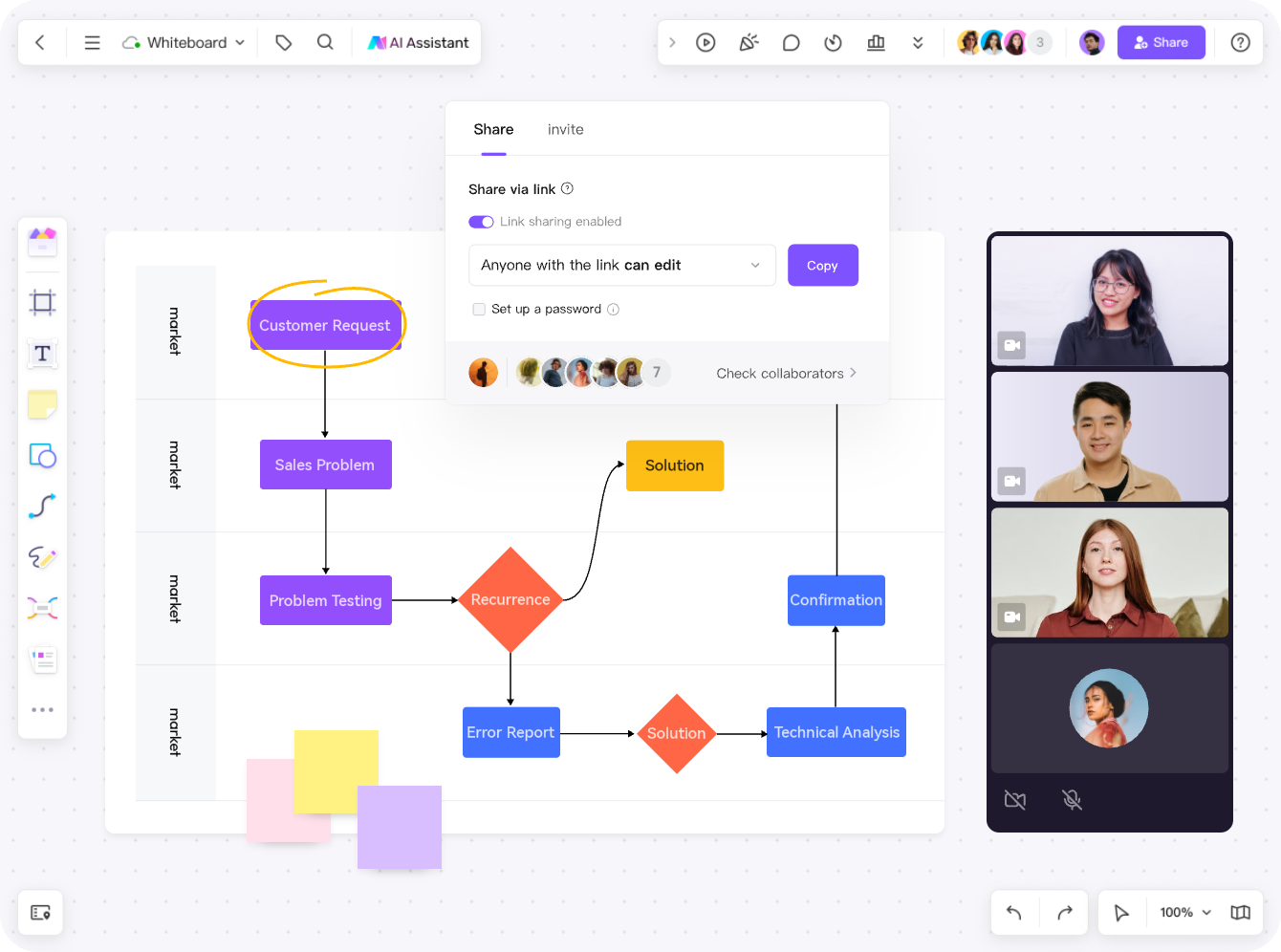
Boardmix provides a separate visual workspace for diagrams, mind maps, and planning. During a Zoom call, share its board link so participants can open it in their browsers, or present the board using Zoom screen sharing.
Keep Zoom open for the call and Boardmix open for the visual work. Attendees need the appropriate Boardmix permissions to edit; watching a shared screen does not grant access to the board.
Why Choose Boardmix Whiteboard for Your Zoom Meetings?
There are several compelling reasons to choose Boardmix as your go-to whiteboard for Zoom meetings.
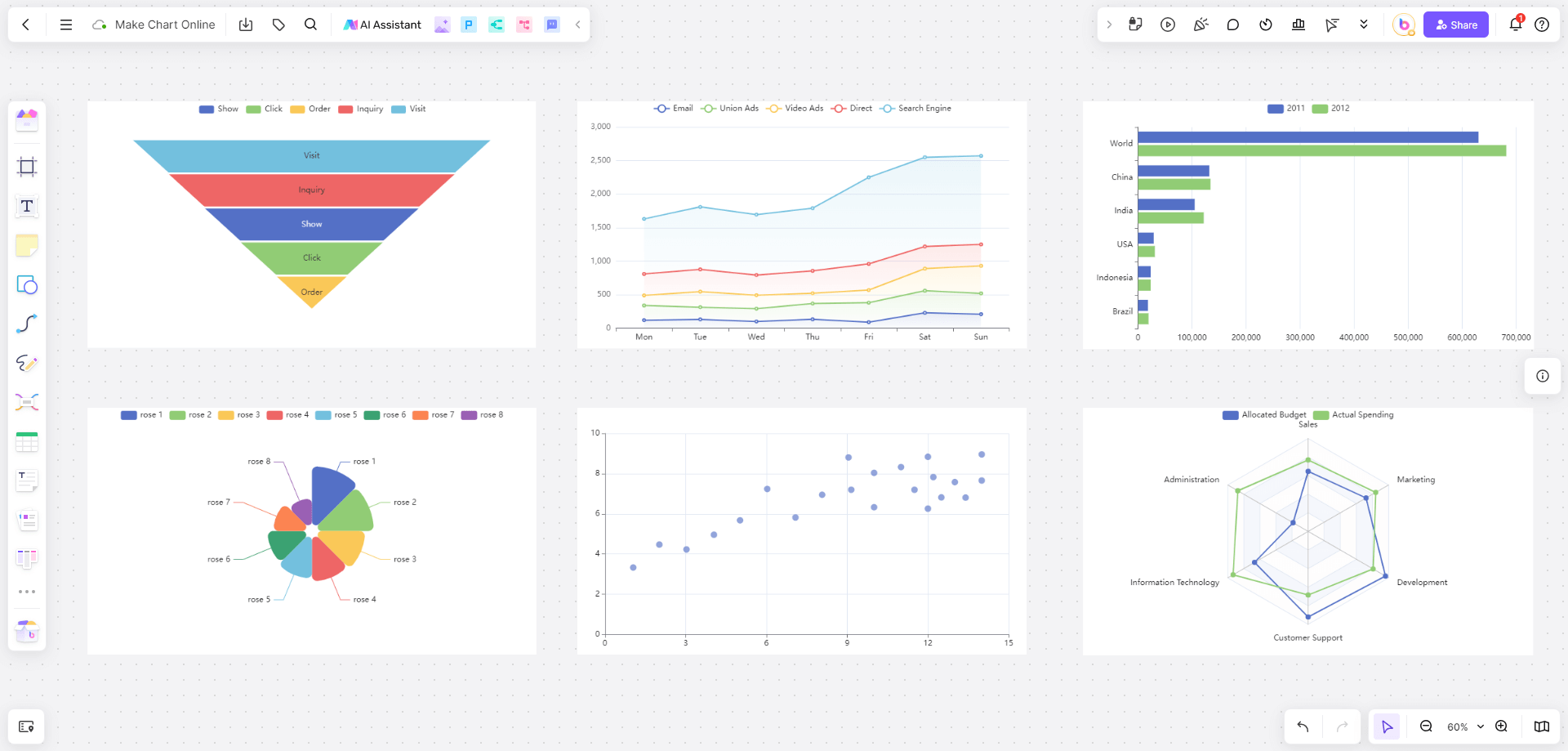
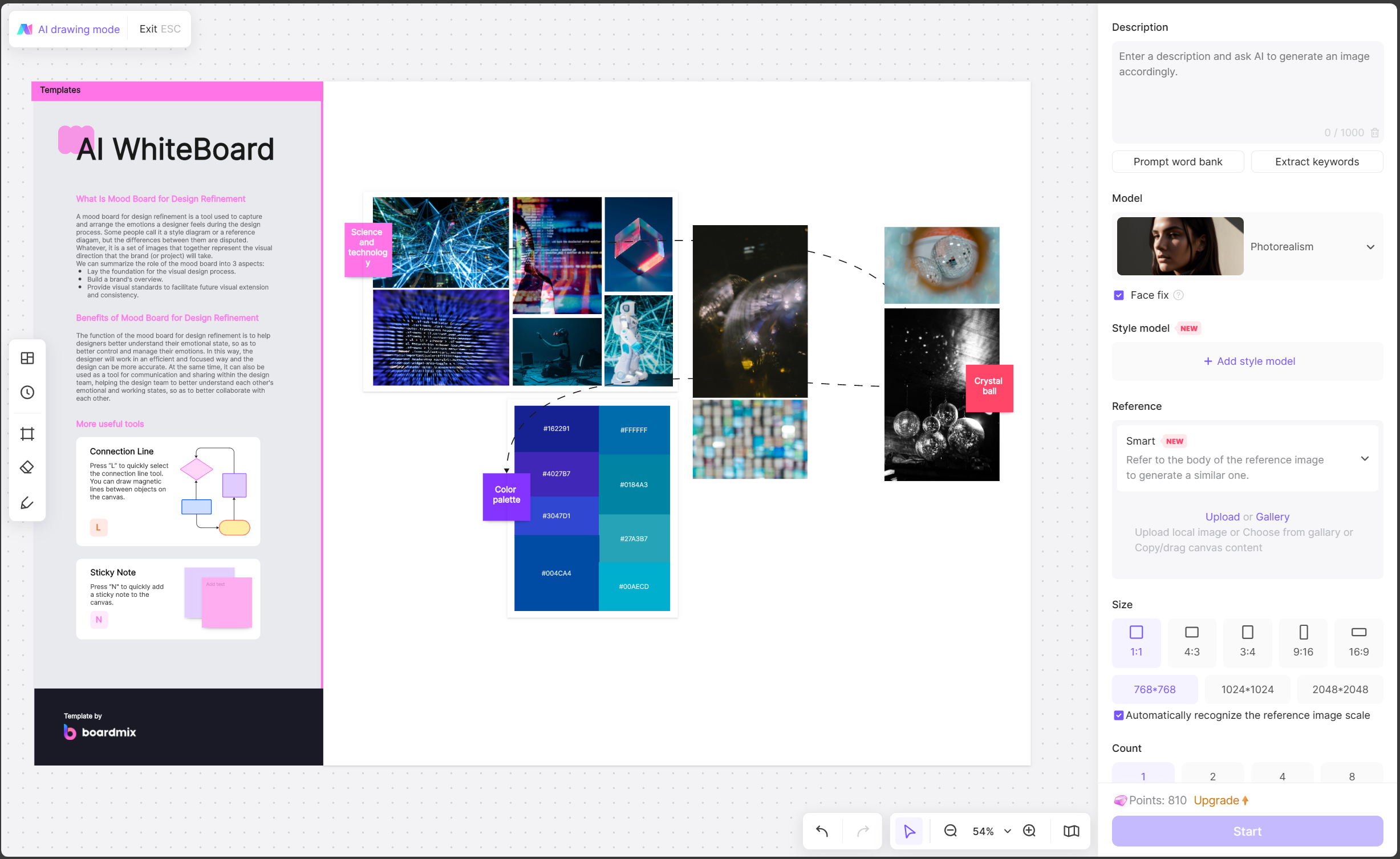
Enhanced Collaboration Tools: Boardmix offers a wide range of advanced features, including customizable templates, sticky notes, and an array of drawing tools. These features make it easier to structure your ideas and collaborate in real-time.
Real-Time Collaboration: Boardmix allows multiple users to work on the same whiteboard simultaneously, with changes reflected in real-time. This functionality is crucial for dynamic brainstorming sessions where multiple ideas are being explored and developed at once.
Intuitive User Interface: Boardmix is designed with user experience in mind, offering an intuitive interface that’s easy to navigate, even for those who are not technically inclined. This ease of use means that your team can focus on collaboration rather than figuring out how to use the tool.
Versatile Use Cases: Boardmix is not just for brainstorming. It’s versatile enough to be used for project planning, strategy development, teaching, and more. Its wide range of templates and tools means it can be adapted to suit any collaborative need.
How It Improves Team Productivity
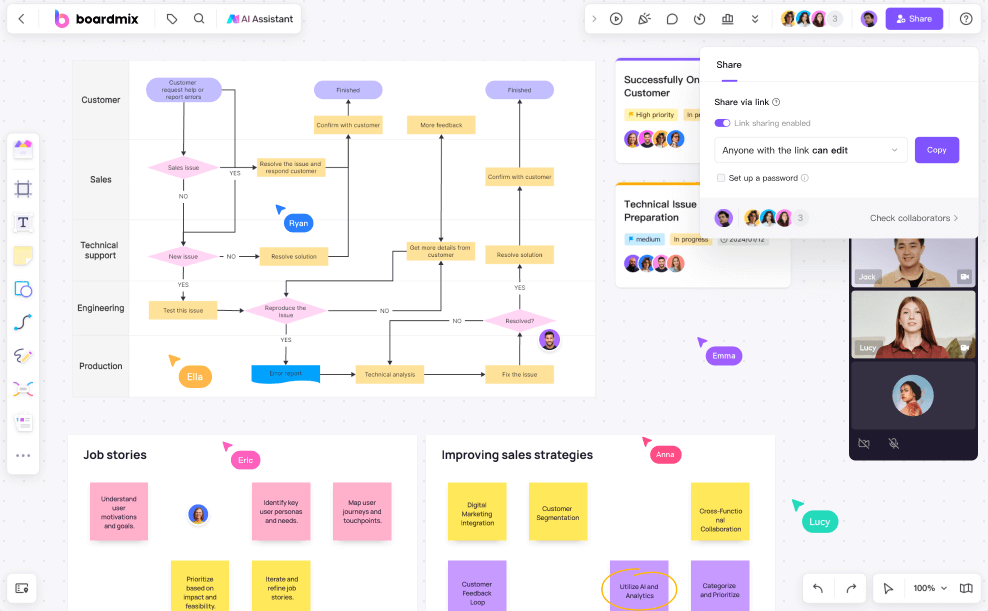
Using Boardmix as your whiteboard Zoom meetings can significantly improve team productivity.
Shared context: Put the diagram and meeting notes on one Boardmix board, then share the link in the Zoom chat so attendees can refer to the same material.
Better Visualization: The advanced visualization tools in Boardmix help teams break down complex concepts into easily digestible parts. This clarity enables quicker decision-making and ensures that all team members are on the same page.
Effective Documentation: With Boardmix, you can save and export your whiteboard sessions in various formats, making it easy to document meeting outcomes. This feature is particularly useful for teams that need to refer back to their discussions for future work.
Increased Engagement: The interactive nature of Boardmix keeps participants engaged during meetings. Instead of passively listening, team members can actively contribute, making the meeting more productive and collaborative.
How to Use Boardmix During a Zoom Meeting
Prepare the Boardmix board before the Zoom call, set its sharing permissions, and send its link to the participants.
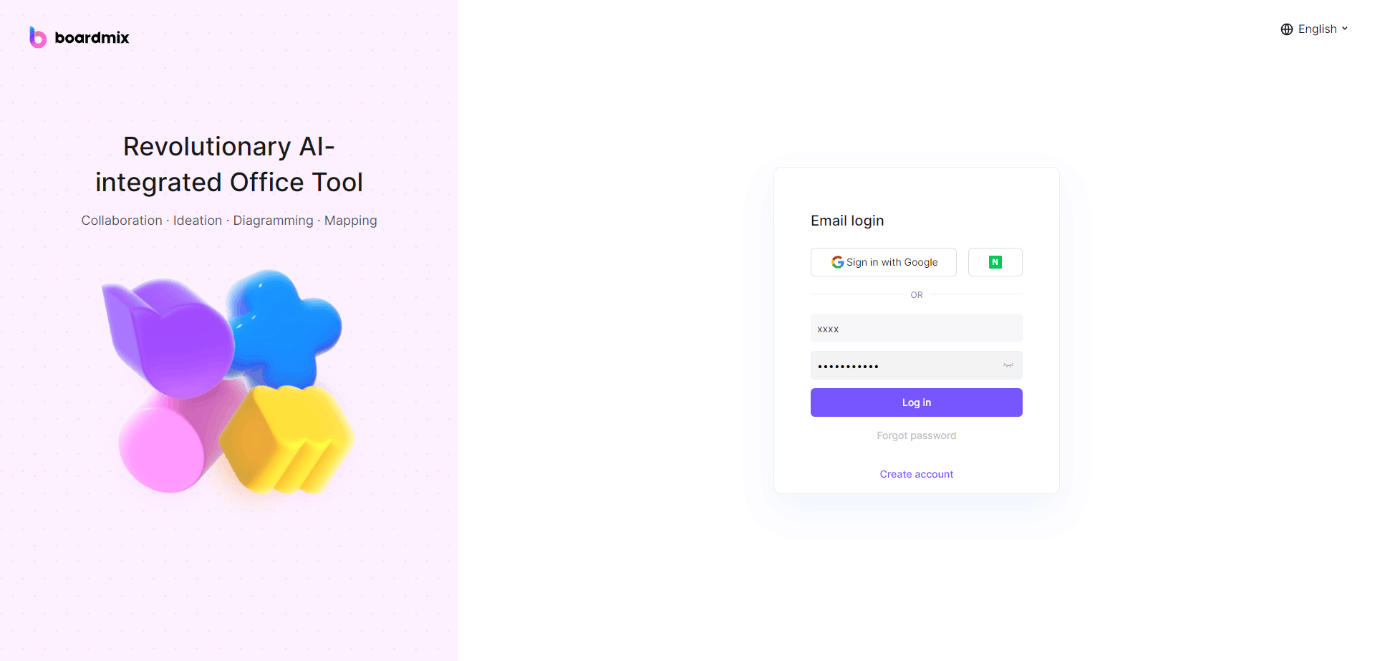
Log in to Boardmix: Log in to your Boardmix account, or sign up for a Boardmix account if you are not already a user.
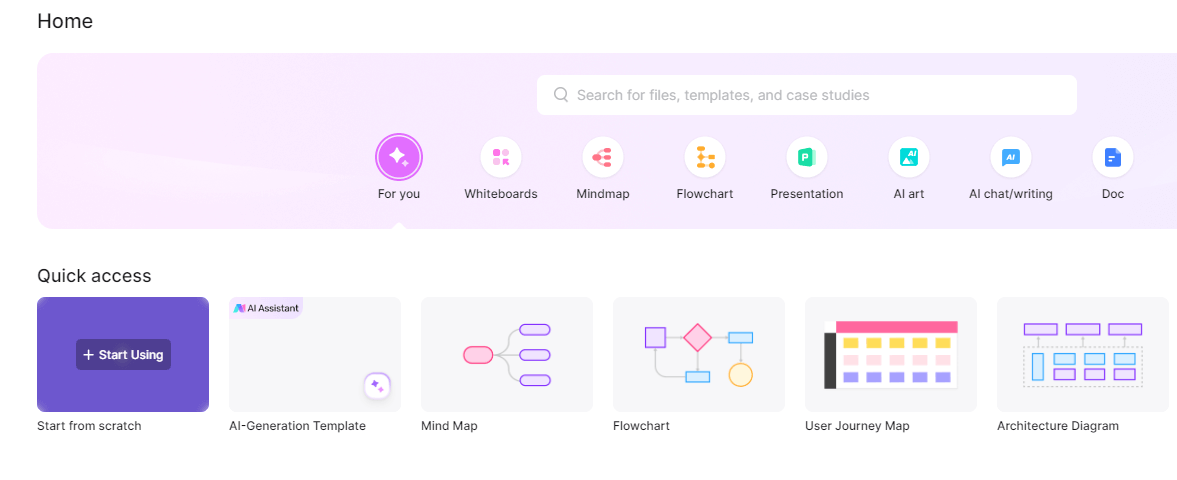
Create a new whiteboard: Once logged in to Boardmix, create a new whiteboard. Boardmix offers a variety of templates to help you get started, whether you're planning a project, brainstorming or teaching a class.
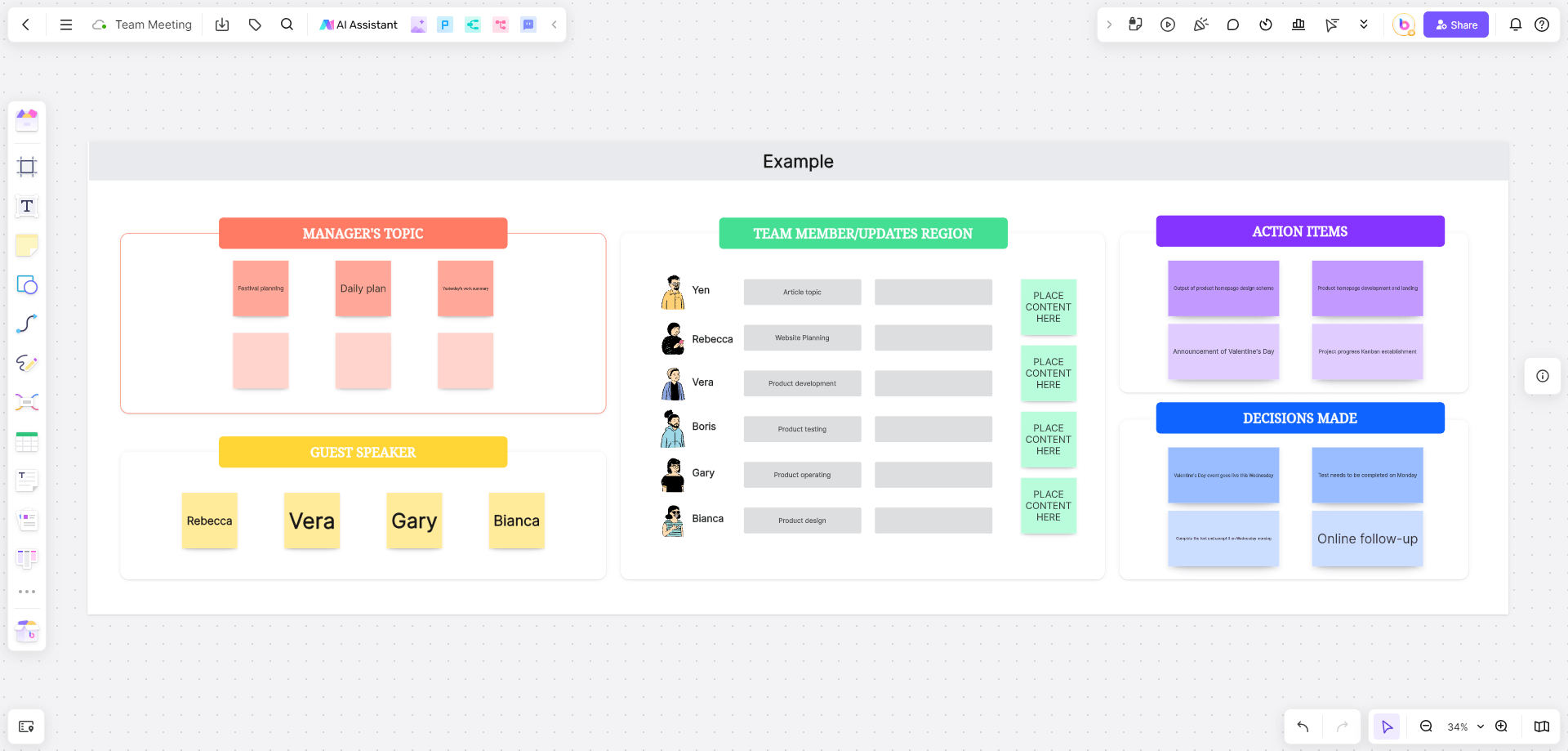
Open a pre-prepared whiteboard: If you've already prepared for a meeting using a Boardmix whiteboard, you can simply open your prepared whiteboard.
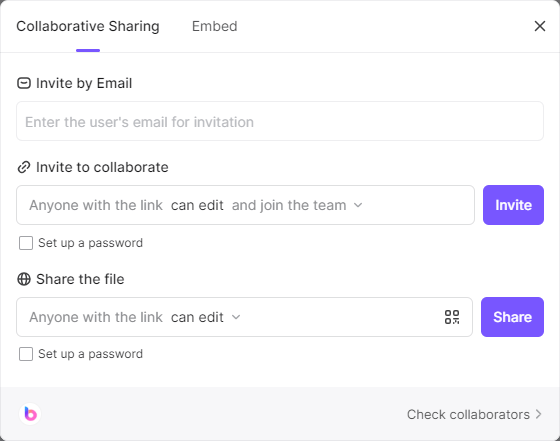
Share your whiteboard: By selecting the share option from the toolbar in the upper right corner of Boardmix, you can share your whiteboard with your team members via link or email, and set editing and viewing permissions.
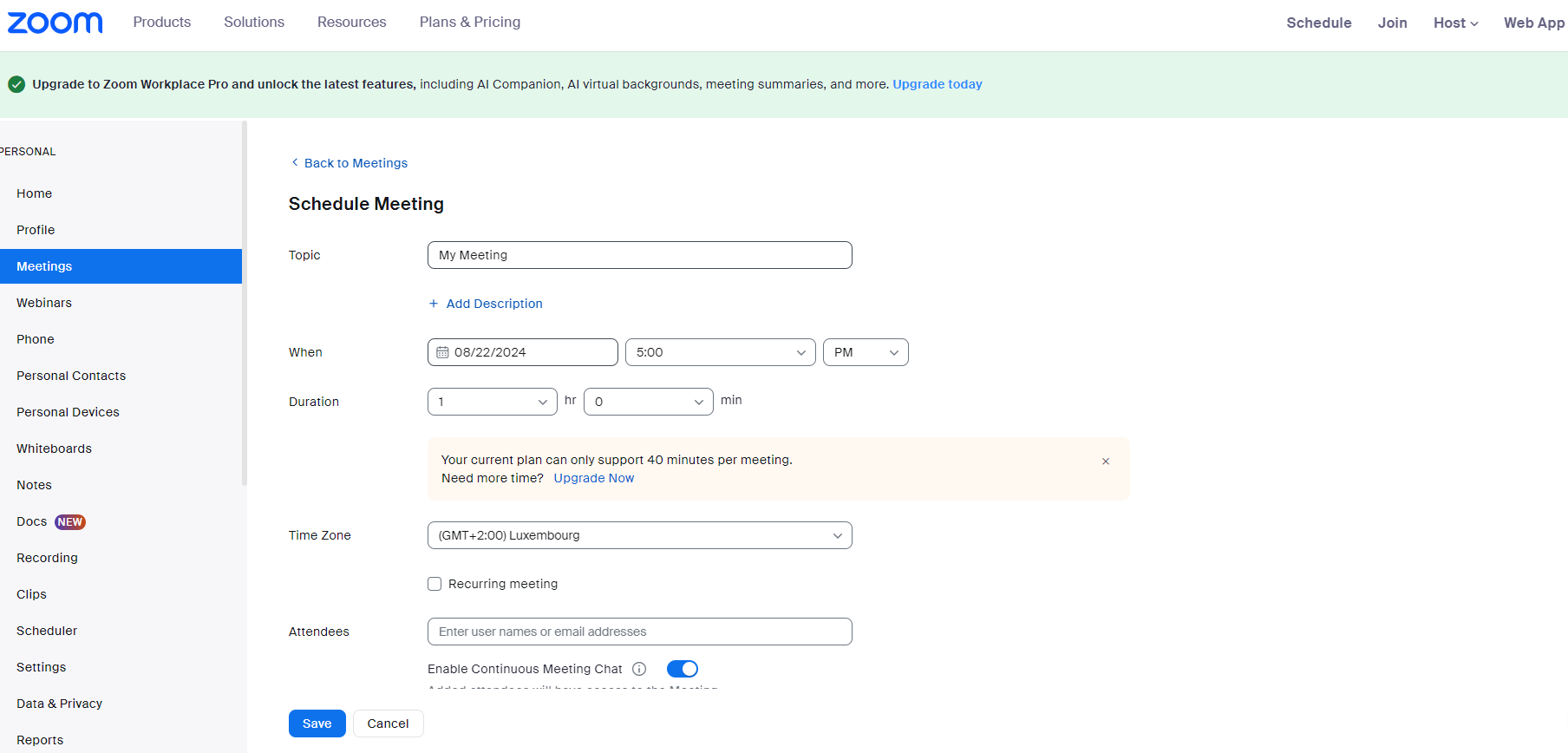
Prepare a Zoom meeting: Log in to your Zoom meeting account, set up a new meeting, and copy the meeting's invitation link.

Share the board: Copy the Boardmix board link into the Zoom meeting chat. Confirm that participants can open it and that the people contributing have edit access.

Start the call: Open your Zoom meeting as usual. Use Zoom screen sharing to present the board, and let collaborators edit in their own browsers.
Collaborate in real-time: Use Boardmix's tools to collaborate with your team while running a whiteboard Zoom meeting. Whether you're adding sticky notes, drawing diagrams or outlining a project plan, Boardmix features make it easy to work together effectively.
Save and share your work: After the meeting, save the whiteboard session and share it with your team. Boardmix allows you to export whiteboards in a variety of formats, ensuring that all of your collaborative work is retained and can be referenced later.
Keep the decisions and next actions on the board so participants can refer to them after the call.
Tips for Effective Collaboration on Zoom Whiteboard
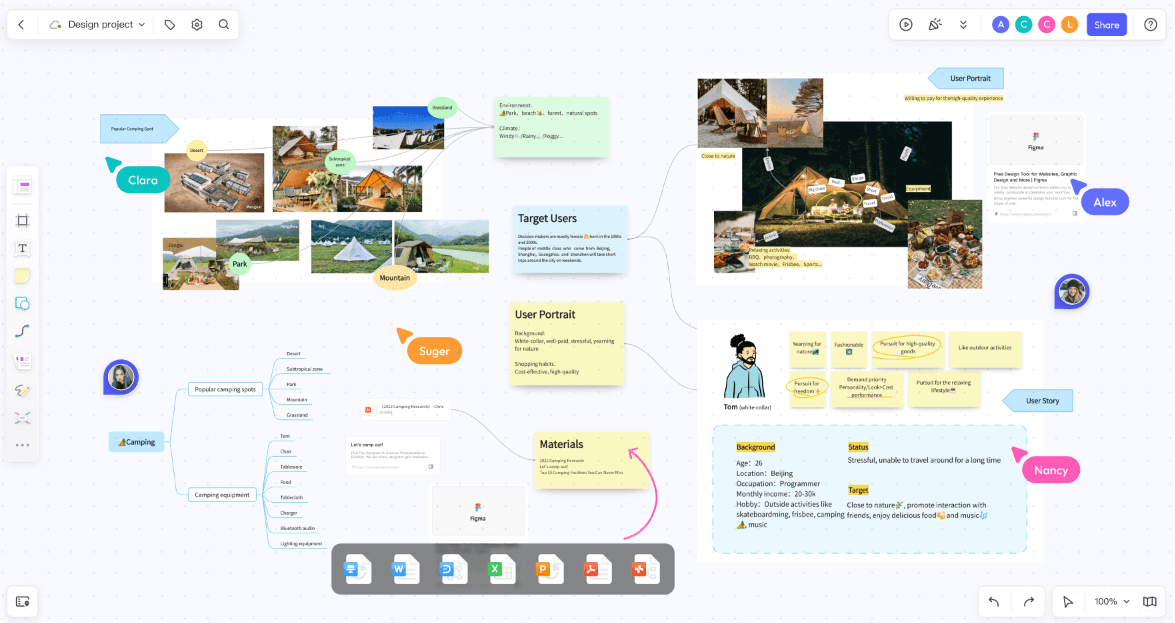
To maximize the effectiveness of your Zoom whiteboard sessions, consider the following tips:
1. Prepare Your Whiteboard in Advance:
Before the meeting, take some time to set up your whiteboard. Organize your content, choose the appropriate templates, and make sure all necessary tools are in place. This preparation will help the meeting run smoothly and keep everyone focused on the agenda.
2. Use Templates to Your Advantage:
Boardmix offers a wide range of templates designed to streamline various tasks. Whether you need a flowchart for process mapping or a Kanban board for task management, using these templates can save time and keep your whiteboard organized.
3. Encourage Participation from All Attendees:
During the meeting, encourage all participants to contribute to the whiteboard. Whether it’s adding notes, suggesting ideas, or organizing information, active participation leads to more engaging and productive meetings.
4. Keep the Whiteboard Organized:
An organized whiteboard is crucial for effective collaboration. Group related items together, remove unnecessary elements, and ensure that the board remains clutter-free. This organization helps maintain clarity and focus during the meeting.
5. Document and Share Key Takeaways:
After the meeting, document the key takeaways by saving the whiteboard session. Boardmix’s export options make it easy to share the board with participants, ensuring that everyone has access to the information discussed.
6. Follow Up on Action Items:
Use the whiteboard to outline action items and assign responsibilities at the end of the meeting. This practice ensures that decisions made during the meeting are acted upon and that progress is tracked effectively.
Key points
Use Zoom for the conversation and Boardmix for the diagram or planning board. Prepare access before the meeting, keep the discussion focused on one area at a time, and leave a clear record of the agreed actions.