Teams use whiteboards to sketch ideas, explain a process and work through a problem together. “Digital whiteboard” can mean an interactive display in a meeting room or software that runs on people’s own devices. Choosing between them starts with where participants will work and how they need to contribute.
For remote or hybrid teams, browser-based online whiteboard software can give each participant access to the shared canvas. A room display can complement that software when people also need a large touch surface.
This guide compares the equipment and software decisions, then introduces three online tools for different drawing and planning tasks. A standard dry-erase board, an interactive display and a browser whiteboard have different costs and access requirements.

Two Forms of Digital Whiteboard
The two digital options serve different roles: an interactive display provides a shared touch surface in the room, while online software provides the canvas and collaboration controls. They can be used separately or together.
Interactive Whiteboard Display
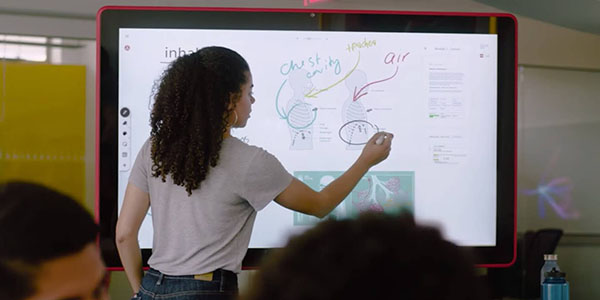
A standard physical whiteboard is a dry-erase surface. An interactive whiteboard display is electronic hardware with a touch surface, used to display and annotate digital content. It may be mounted on a wall or movable stand. Its software and meeting setup determine whether people can contribute remotely.
Virtual Whiteboard
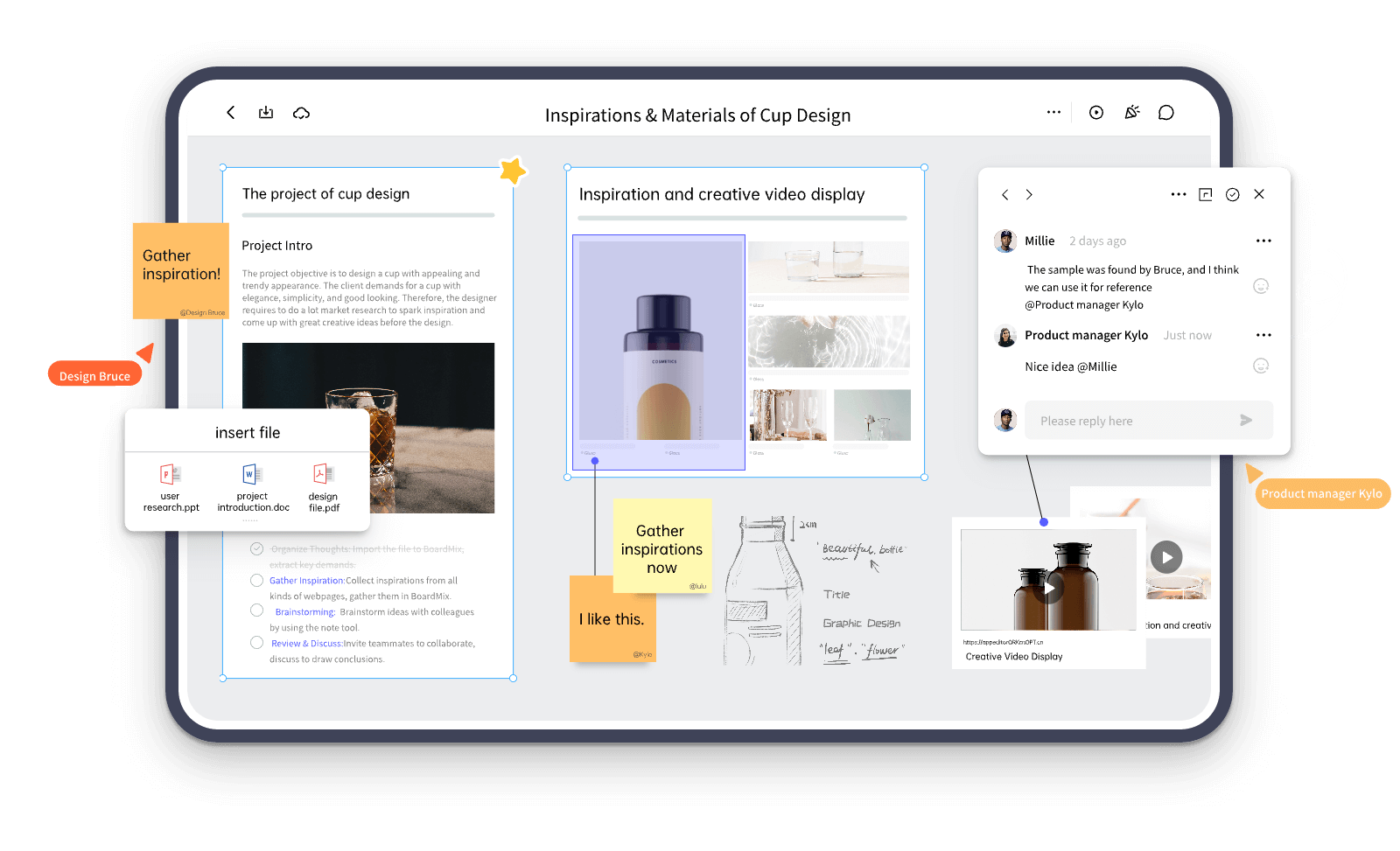
Online whiteboard software provides a canvas for writing, drawing, notes, diagrams and shared files. Participants can open the board on their own computers or supported mobile devices. The software can also be used with a compatible interactive display.
Online software makes the canvas accessible beyond one room. Check how your chosen tool handles simultaneous editing, permissions and saved work. Some products include calls; others are used alongside a separate meeting platform.
Pros and Cons of Each
Compare the room equipment and the shared software separately. A hybrid meeting may use both; neither choice alone guarantees that remote participants can see, hear and edit everything they need.
Interactive Display
Virtual Whiteboard
Tips for Selecting a Digital Whiteboard
Start with the activity participants need to complete. The following choices separate the need for a shared screen from the need for a shared editable board.
| Your situation | Start with | What would justify more equipment? |
|---|---|---|
| A presenter explains a diagram while everyone watches | An existing screen or projector and the presenter's device | A touch display if writing directly on the large screen is central to the lesson or discussion. |
| Participants in different places must add and rearrange ideas | Online whiteboard software on their own devices | A room display if some people also need to follow a common view from their seats. |
| A hybrid team alternates between individual input and drawing together at the wall | Shared software plus a compatible interactive display | A tested microphone, camera and calling setup so remote colleagues can follow the discussion as well as the canvas. |
Once you have a likely setup, check these practical requirements:
- Editing capacity: Count people who need to contribute, including guests, and compare that number with the plan’s editor limit. Watching a screen share is not the same as editing the board.
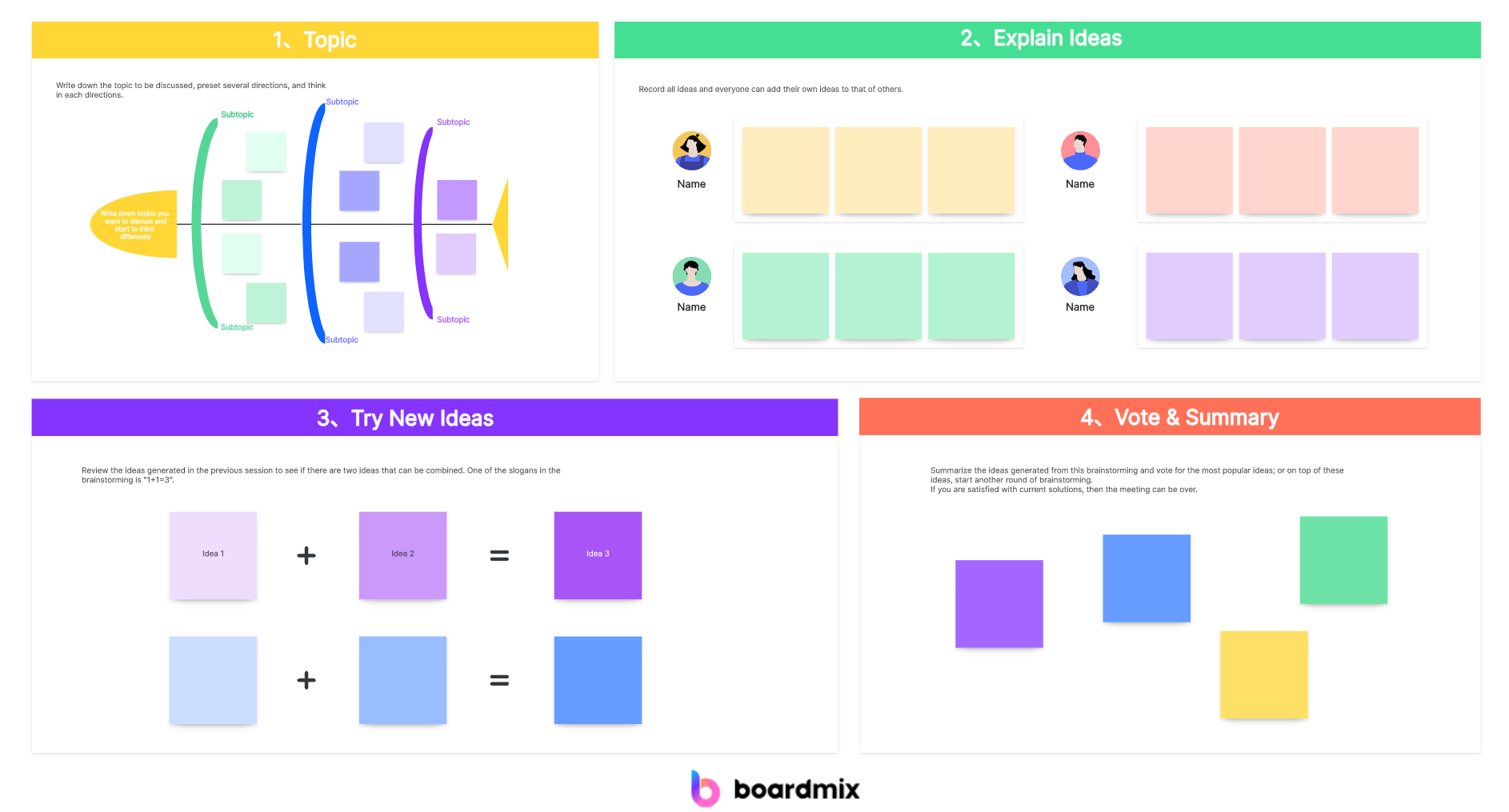
- Useful templates: Open a template for your actual task, such as a retrospective or a process map. Check that you can rename its sections and keep the result for the next session.
- Device and display fit: Try writing, selecting and moving a note on the devices you will use. For a touch display, confirm compatibility with the intended software and check readability from the back of the room.
- Participant access: Check whether external participants need accounts and whether they can view, comment or edit. Test the invitation with someone outside the organizer’s account.
- Work after the meeting: Reopen the editable board and try the export format you need. Include subscriptions, installation, meeting equipment and ongoing support in the budget.
Example: Four People in a Room and Two Joining Remotely
Suppose a six-person product team is planning a launch. Everyone needs to add risks, group them and agree on owners. Start with one online board and let all six people contribute from their laptops; show the same board on the room’s existing screen. A new touch display is useful only if drawing together at the wall is part of the way this team works.
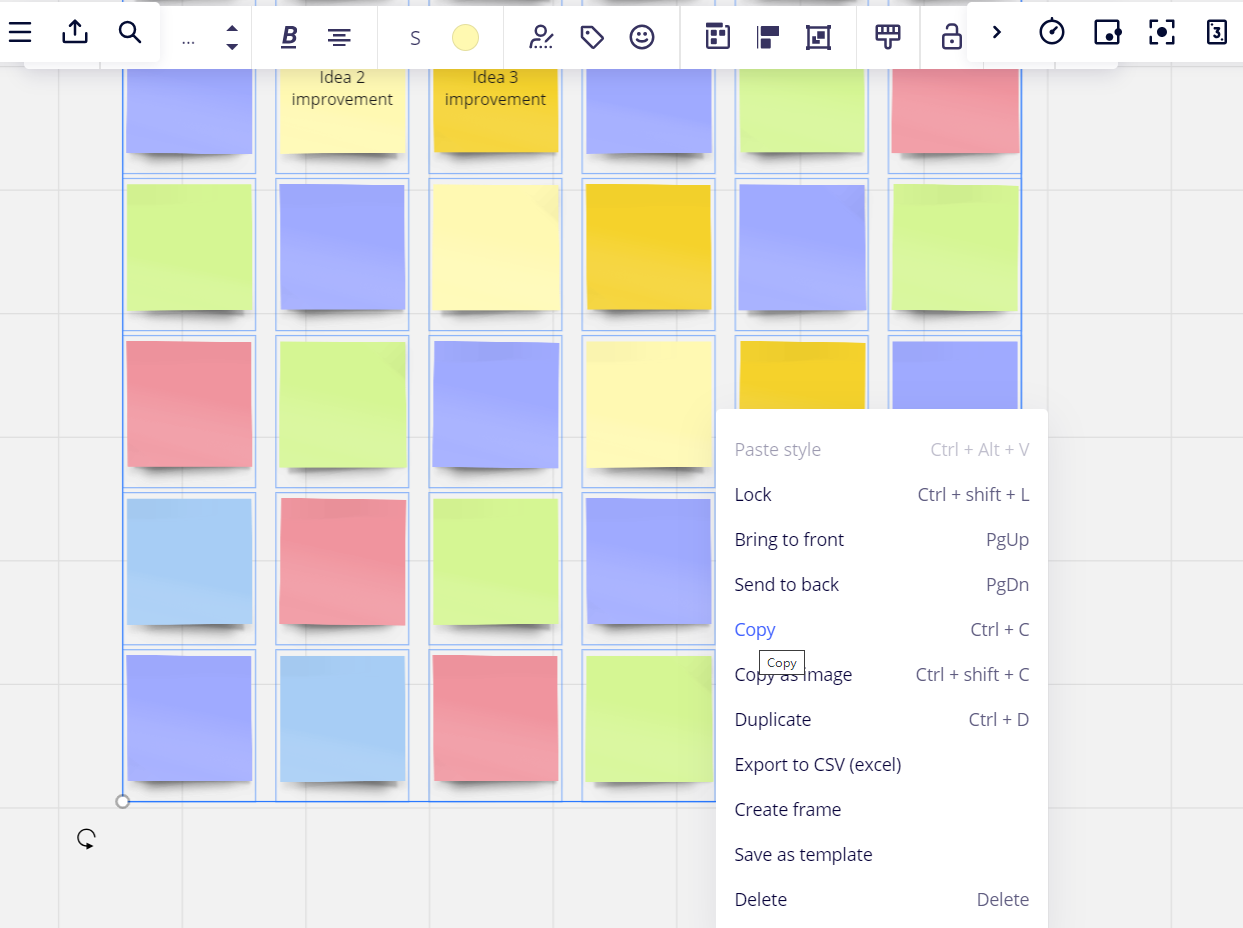
For a short trial, create three areas: “Launch risks,” “Decisions” and “Owners.” Ask an in-room colleague and a remote colleague to add a note and move it into a group while you discuss it on the call. Then have the remote colleague reopen the board after the call. This checks contribution and continued access, rather than only whether the screen looks good. Before the full session, confirm that the selected plan allows all six intended editors.
3 Online Whiteboard Tools to Consider
These tools address different starting tasks: Boardmix for mixed planning and diagrams, Excalidraw for a quick visual explanation, and Stormboard for structured idea collection and workshop records.
Boardmix
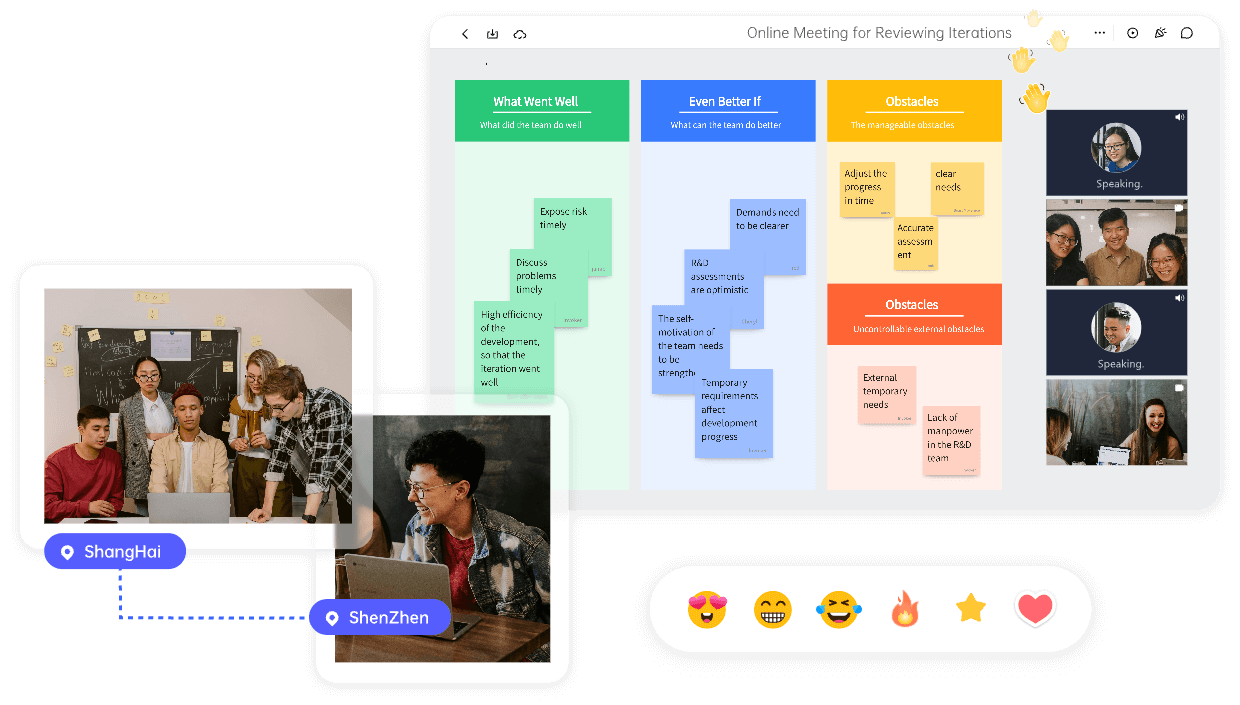
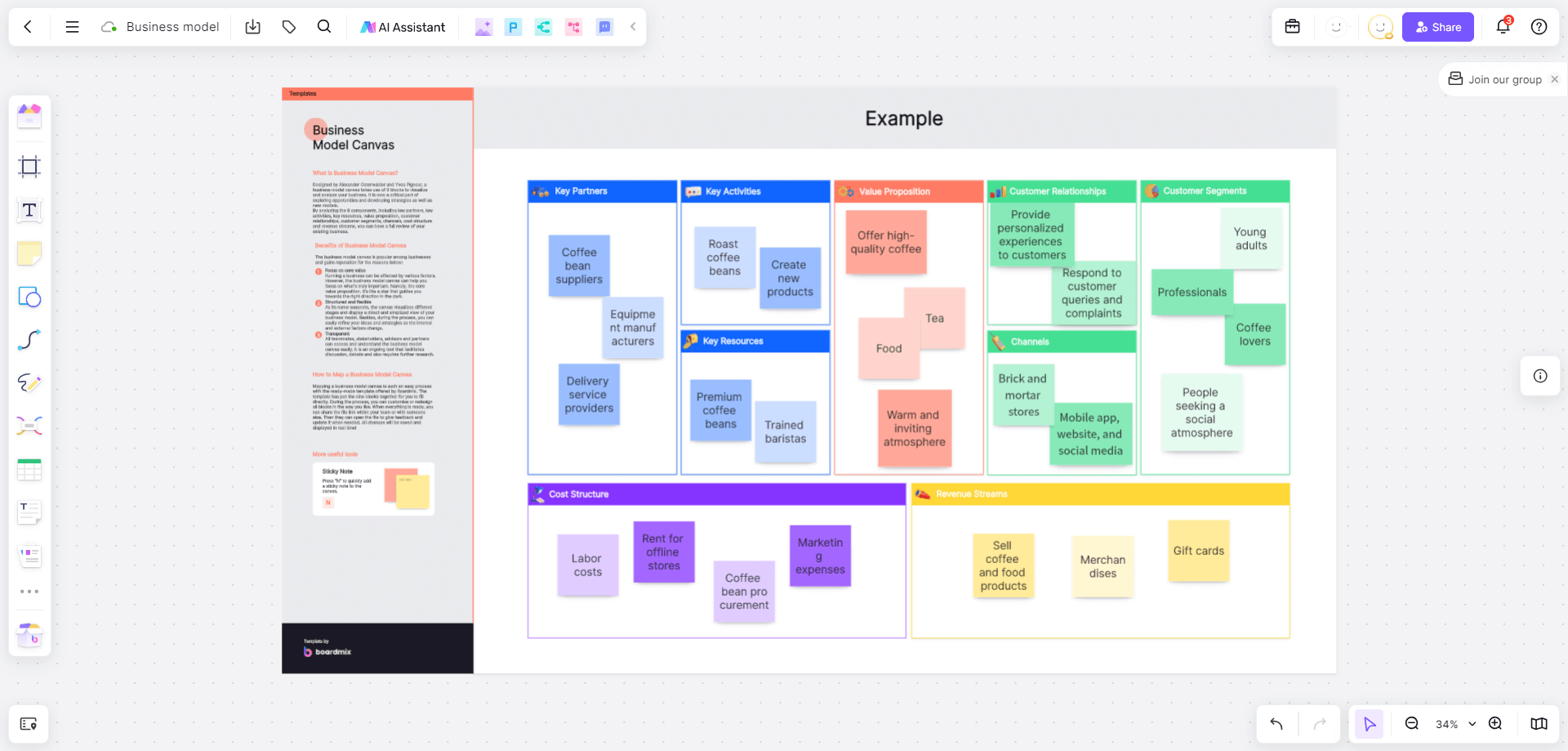
Boardmix combines a shared canvas with mind maps, flowcharts, notes and templates. Teams can use it to arrange ideas or outline a project together. Share the board with the appropriate viewing or editing permission, and use your meeting platform for voice or video discussion.
For the launch-planning example, use sticky notes for risks, a simple flowchart for the release process and a text area for decisions and owners. Keeping these together lets the team connect a risk to the step it affects. Start with those few elements before adding a larger template.
Boardmix Free includes 3 editable boards, 100 objects per board, 1 GB of storage and up to 5 editors per file. It can accommodate the small trial above, but the six-person editing session needs a plan with more editor capacity. Starter and enterprise offerings are paid options. Compare AI credits, export quality and administration features in the Boardmix plan comparison.
Excalidraw
Excalidraw is an open-source whiteboard for sketching ideas in a hand-drawn style. Its freehand tool, shapes, and arrows support informal visual explanations. The hosted app offers real-time collaboration, and drawings can be saved in its editable format or exported as PNG or SVG.
Try it for a short discussion such as sketching how a customer request moves from support to engineering. Its local-first browser saving is useful for quick work, but a browser copy is not a shared team archive: save the editable .excalidraw file somewhere the intended owner can retrieve it. A PNG or SVG is useful for presenting the diagram; retain the editable file when you expect to revise it.
Stormboard
Stormboard organizes ideas with sticky notes, templates and structured discussions. Consider it when a team needs to review contributions and turn a workshop into a record of decisions. For example, a retrospective can collect comments in named sections before the facilitator prepares a report for colleagues who missed the session.
Stormboard’s Personal plan supports up to 5 open Storms and 5 users per Storm, with basic reporting and exports. Business adds broader reporting and customization options and costs US$10 per user per month with monthly billing, or US$8.33 with annual billing. Only monthly subscriptions include the 30-day trial. See the plans and Business subscription details.
Choose an interactive display for the room’s touch surface, online software for access from individual devices, or both for a hybrid setup. To try the planning exercise, open Boardmix and make a small board with risks, decisions and owners. Use the trial to decide which software limits and room equipment matter for your actual session.