A stakeholder meeting brings together people who affect, or are affected by, a project to discuss a defined issue or decision. A website project may use one to agree on usability goals; another meeting may address funding, scope, or launch readiness. The purpose determines who needs to attend.
Choose the people whose input or authority is needed for the decision, not everyone on the project mailing list. A shared online whiteboard for the meeting can hold the question, options and supporting material in one place.
Stakeholder meetings help align feedback from these groups, but not every stakeholder needs to attend every meeting. For an app feature launch, invite the people who must make the launch decision and those with essential product, funding, or support information. Share the outcome with other affected stakeholders, and collect absent participants’ input beforehand.
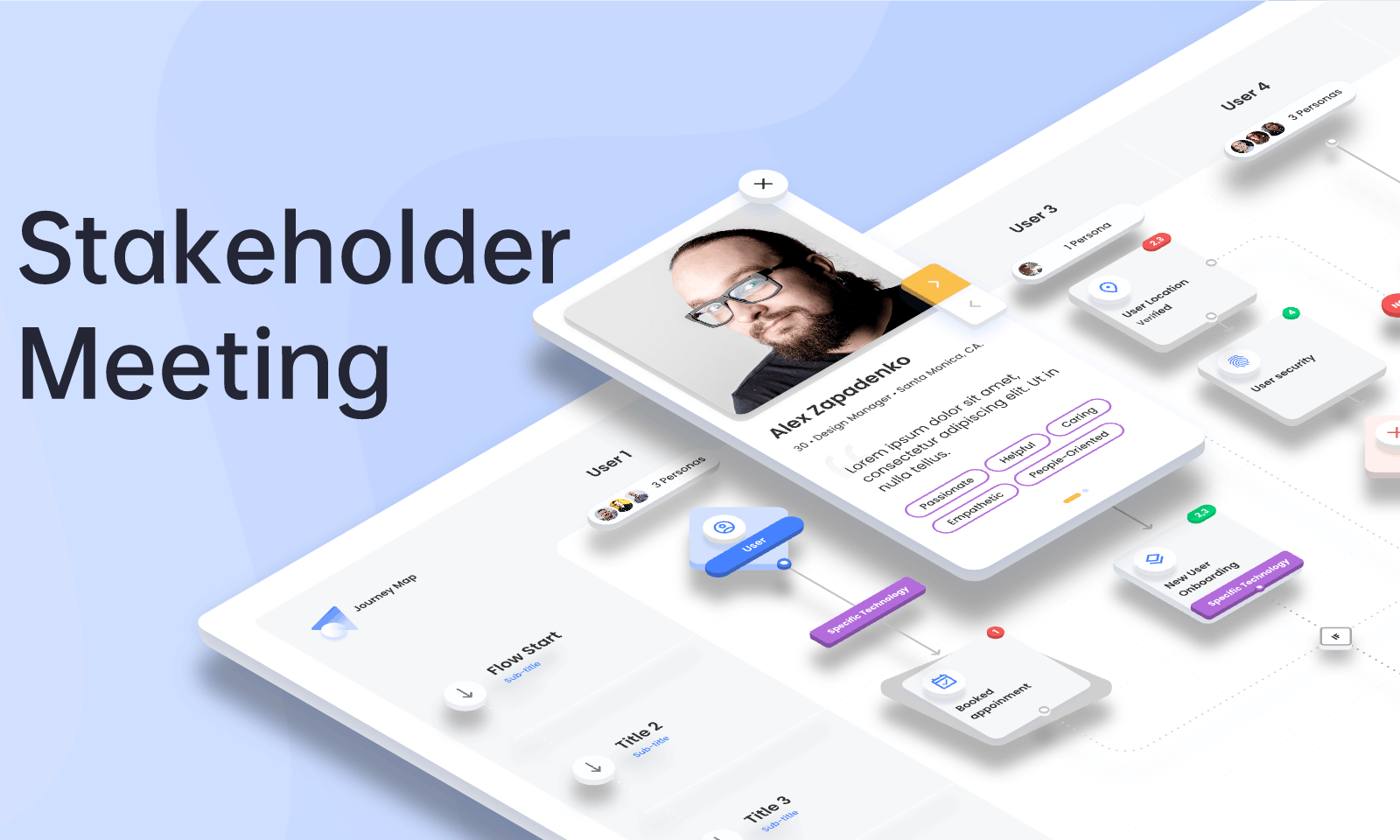
Types of Stakeholder Meetings
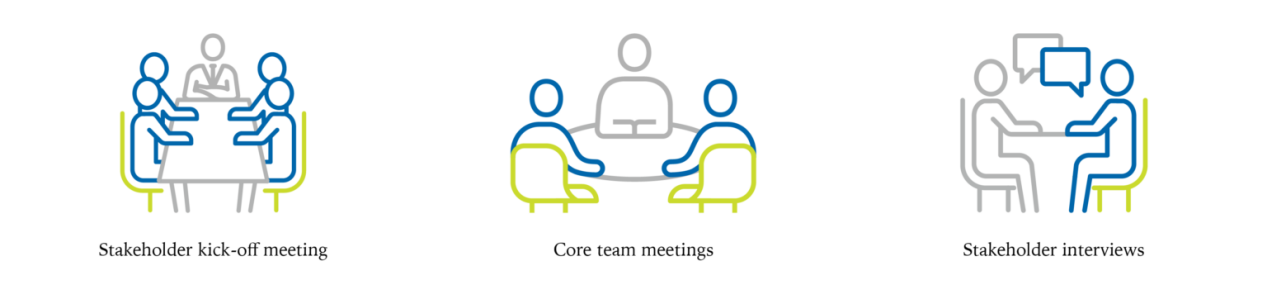
Different sorts of stakeholders may be involved in your initiatives. On the other hand, meetings with all of these stakeholders are a little easier to categorize. The following are some popular forms of stakeholder meetings.

Kick-off Meetings
A kick-off meeting determines your project's purpose, goals, scope, timeframe, and roles. Involving stakeholders in this meeting is a smart way to set expectations.
Stakeholder Interviews
Stakeholder interviews can take place before a kick-off or later when more context is needed. These one-on-one conversations help clarify expectations, constraints, and concerns that may not surface in a group meeting.
Additional Stakeholder Meetings
Later meetings should have a specific purpose: resolve a scope change, review a risk or decide whether a release is ready. A routine status update can often be shared in writing; bring people together when their discussion or decision is needed.
How to Organize a Stakeholder Meeting
Managing stakeholders is essential to finishing a project on time and fulfilling expectations. Stakeholder analysis helps you meet those expectations and complete projects on time by identifying individuals, groups, and organizations vested in a program or process.
A 30-minute website launch decision
For example, a team needs to decide whether its new booking page can launch on Friday. The product owner makes the launch decision; the designer brings the usability findings; the engineer explains unresolved defects; and the support lead checks whether the help material is ready. Other stakeholders receive the outcome instead of joining by default.
- Minutes 0–5: Confirm the decision and release scope. Show the booking path that is included and the account changes that are not.
- Minutes 5–15: Review the evidence together: a customer can select a slot, complete a booking and find the confirmation. Separate a missing confirmation from a cosmetic issue.
- Minutes 15–23: Compare launching, delaying and reducing scope. Ask what each option changes for customers and support.
- Minutes 23–30: Record the decision and any conditions. If a critical fact is missing, name the person who will obtain it and when the decision can be made.
A useful outcome might be: “Keep the Friday launch date only if the confirmation defect is resolved and checked by Thursday afternoon. Otherwise, postpone the booking page; the unrelated homepage update can still launch.” This gives the team an explicit boundary rather than a vague agreement to “keep an eye on it”.
Things to Do Before a Stakeholder Meeting
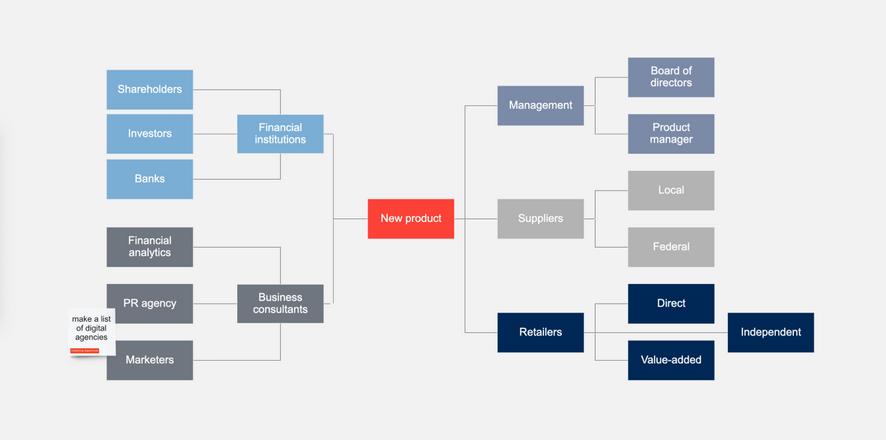
- Stakeholder analysis - Prioritize stakeholders based on their importance on a project and strive to understand how best to interface with them during the project's life. Completing a stakeholder analysis aims to help you align and communicate better with your stakeholders.
- Obtain the attendance list: Obtaining the expected participant list is critical before a stakeholder meeting. Try to interact with stakeholders and receive confirmations of their presence, then prepare using that list, making arrangements for those who will be missing.
- Establish the meeting agenda: State the decision or question, name the decision-maker, and list the information participants should review. Share the agenda in advance, with time for discussion and a clear expected outcome.
- Know the meeting location: The meeting location should be planned. Whether virtual, physical, or both, proper measures should be implemented to ensure a smooth meeting.
- Consider potential obstacles: Plan your meeting with potential difficulties in mind and know how to overcome them.
Things to do During a Stakeholder Meeting
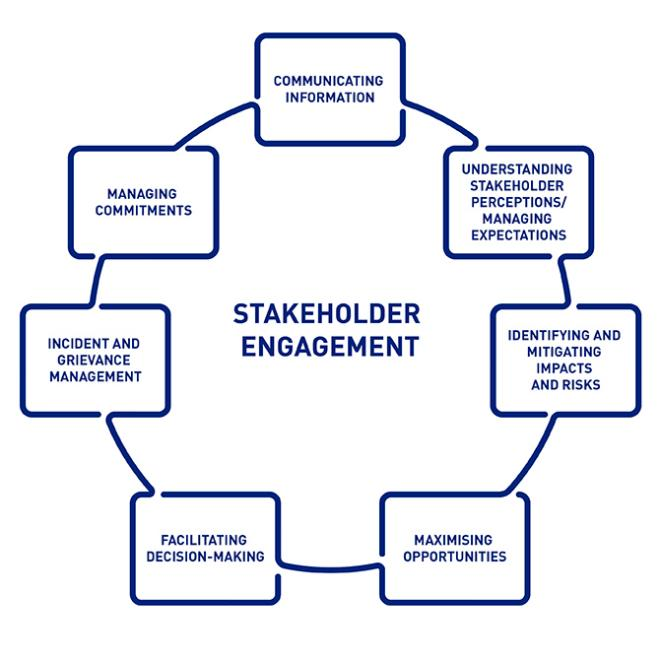
- Keep the decision visible: Place the agreed question beside the relevant roadmap, prototype or process map. Record concerns next to the part they affect. Use a SWOT analysis only when the meeting actually needs to compare strengths, weaknesses, opportunities and threats.
- Get comments during meetings - Attendees can offer their comments before the conclusion of the meeting. They may change slides on the fly and submit comments for fast response.
- Assign tasks, roles, and activities: Confirm each agreed action, its owner, and the due date. Separate decisions already made from questions still awaiting input.
Things to Do After a Stakeholder Meeting
Send the outcome while the context is fresh. Include the decision, any conditions that could change it, the agreed actions and links to the material discussed.
- Collate feedback: Make sure you gather feedback from the stakeholders in attendance. This will assist in understanding their perspective on various issues and will aid in the preparation of future sessions.
- Meeting summary: Your notes should record the meeting's discourse and all important agreements reached. When you distribute a meeting summary, participants and non-attendees have a record of what happened and what will be done in the future. Sharing meeting notes lets people who were unable to attend the meeting feel involved and educates everyone on what needs to be done.
- Always maintain contact by responding to emails and phone calls and asking inquiries as required. Communicate with your team members and let them know you're accessible to assist them if they need it.
An Efficient Tool for Stakeholder Meetings - Boardmix
Collaboration software will play an essential role in bringing cross-functional teams together, whether working in the office, at home, or on the move.
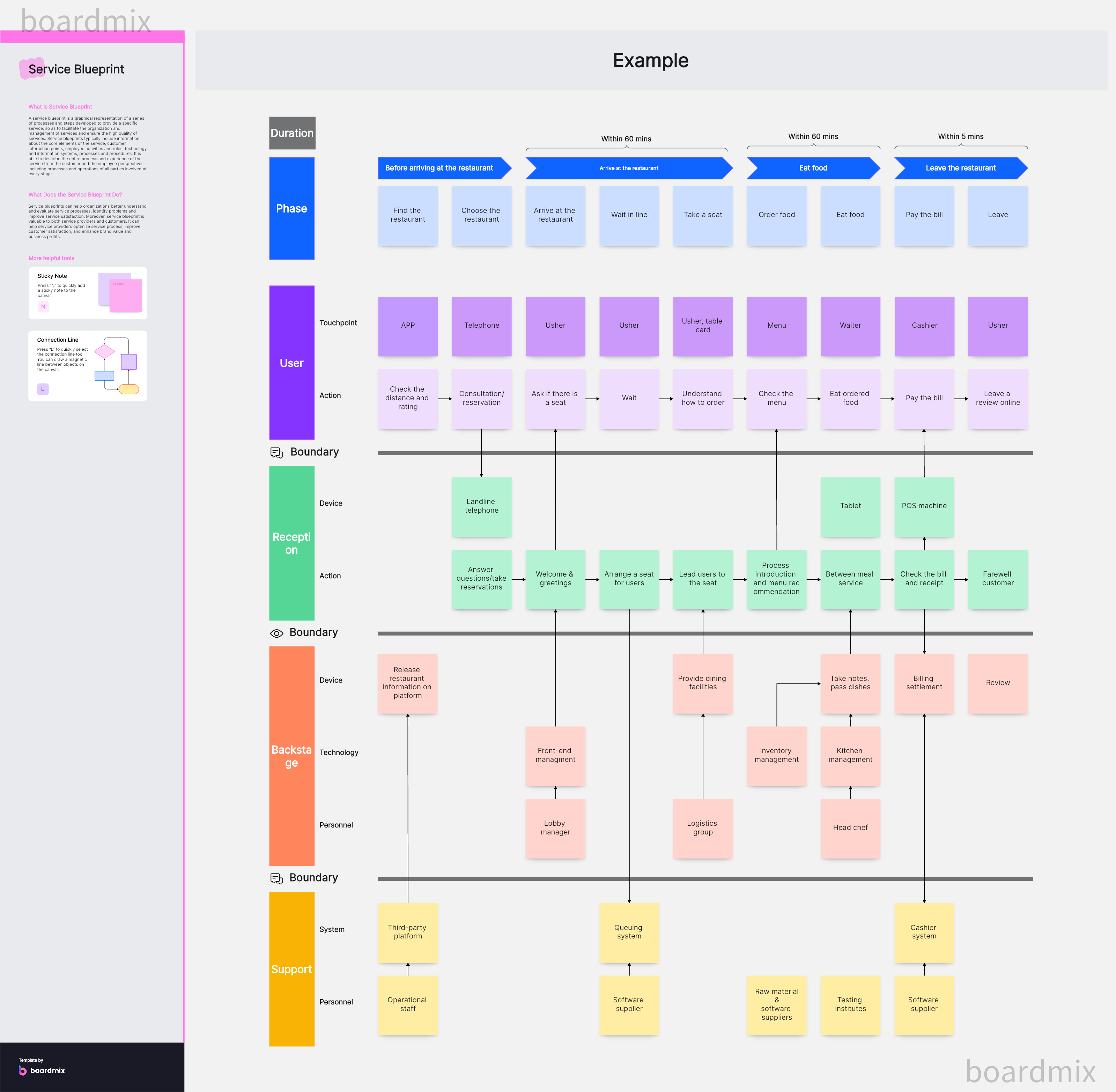
Boardmix gives the team a shared canvas for the agenda, options and discussion notes. Group the materials by the question they help answer so that participants do not have to search through unrelated updates during the meeting.
With Boardmix, you can prepare for stakeholder meetings by bringing all stakeholders on board, creating an agenda, and distributing required information to everyone ahead of time. This will provide stakeholders with an idea of what will be discussed.
Boardmix provides a shared online canvas for presentations, comments, and meeting notes. Send the board link before the session and check that each invited participant can open it with the appropriate viewing or editing permission.
After the meeting, keep the decision beside its supporting material and add unresolved questions to a separate area. Share the board with absent stakeholders and give each follow-up action an owner. This preserves the reason for the decision as well as the result.
Boardmix also provides templates for meeting agendas, icebreakers, retrospectives, and brainstorming sessions, among other things. Just try it right now!