

A technology roadmap connects a business goal with the systems, upgrades, dependencies, and skills needed to reach it. It shows the order of work and the reasons for investing, rather than listing every task in a project.
However, the truth is that a tech roadmap is a broad term that can mean different things for every business. For example, technology roadmaps can be a way that shows how technology can be used in the company’s best interest. At the same time, this tech roadmap can also work as a visualization of the tech processes that are a part of the project.
No matter the specifications of your case, you will find technology roadmaps beneficial to you and your team. In this article, you are going to learn more about this tool and how you can create one.
For a small software release, start with one outcome, then list the milestone that proves it, the technology or dependency needed, the owner, and the risk that would change the plan. For example: “reduce checkout errors” → “instrument error events” → “review the first release data”; record the assumption beside each milestone so the team can revisit it.

Introduction to Technology Roadmaps
What Is a Technology Roadmap?
A technology roadmap, sometimes called an IT roadmap, is a visual plan for introducing, improving, or retiring technology over time. It connects proposed changes with business needs, dependencies, milestones, and available resources.

In this tech roadmap, you will have to think about the answers to the questions of why each technology fits your project and how it will contribute to its completion. By taking advantage of technology roadmaps, you can understand your project’s needs and invest only in the technology that will boost your productivity. Moreover, it is a great way to realize which tools you will need to update so that the project runs smoothly.
If taken seriously, a tech roadmap can truly enhance the operation of your team and become an integral part of your project management.
Pros and Cons of Technology Roadmaps
In recent years, we have witnessed a boom in the use of technology roadmaps. This is because these tools have several advantages that help businesses. In more detail, the benefits that you can get from a tech roadmap are the following:
- Technology roadmaps allow you to visualize the changes that new technology might bring to your project.
- It makes sure that both executives and IT specialists understand the needs and objectives of each other.
- It allows you to discover whether you need to invest in new technology or you should upgrade your existing ones.
- A tech roadmap helps your team members assess the progress of the project since it shows the bigger picture.
Despite their many benefits, technology roadmaps also have some drawbacks that you need to keep in mind. The most crucial weaknesses that they have are the following:
- In some cases, the tech roadmap can create false expectations because it has overestimated the technology.
- The roadmap might end up looking overcomplicated, which might confuse the team members and the executives.
- Not every member of your team might be familiar with the technical language in technology roadmaps.
- Creating the roadmap is sometimes a time-consuming task that requires a lot of research and effort.
All of these are the most important advantages and disadvantages of technology roadmaps. Take them into consideration when you are thinking of creating a tech roadmap for your business or project.
How to Create Technology Roadmaps
Learn the Basic Components
When you decide to create a tech roadmap, there are a few things that you need to be aware of. Technology roadmaps consist of some key elements, and knowing about them will help you create a tool that will actually be useful to your team. These basic elements are the following:
- Goals – First and foremost, your IT roadmap should include specific goals for its creation. These goals should refer to both the long-term and the short-term objectives that the new technologies would try to achieve.
- Milestones – Usually, the implementation of new technologies requires time. Therefore, it would be useful to include milestones in our tech roadmap so that you have an estimation of when every step of the implementation will be completed.
- New technologies – Another part of this document should explain all the relevant details about the new technologies that you are proposing. These details should also explain how these technologies will enhance the organization.
- Training – One more thing that you need to include in your technology roadmaps is the training that the employees will have to go through. New technologies will have new capabilities that your team members should know how to leverage.
- Resources – Another helpful thing would be to include is the resources that are available about the proposed technologies. This way, every team member will have access to all the relevant information at all times.
- Risks and concerns – New technologies will not only bring new capabilities to your team, but they also hold some risks. Therefore, you need to thoroughly go through them to decide whether their implementation is worth it.
- Reports – Lastly, your IT roadmap should contain a section for reporting. This will show the progress of implementing the technologies at a glance.
Choose a Proper Type
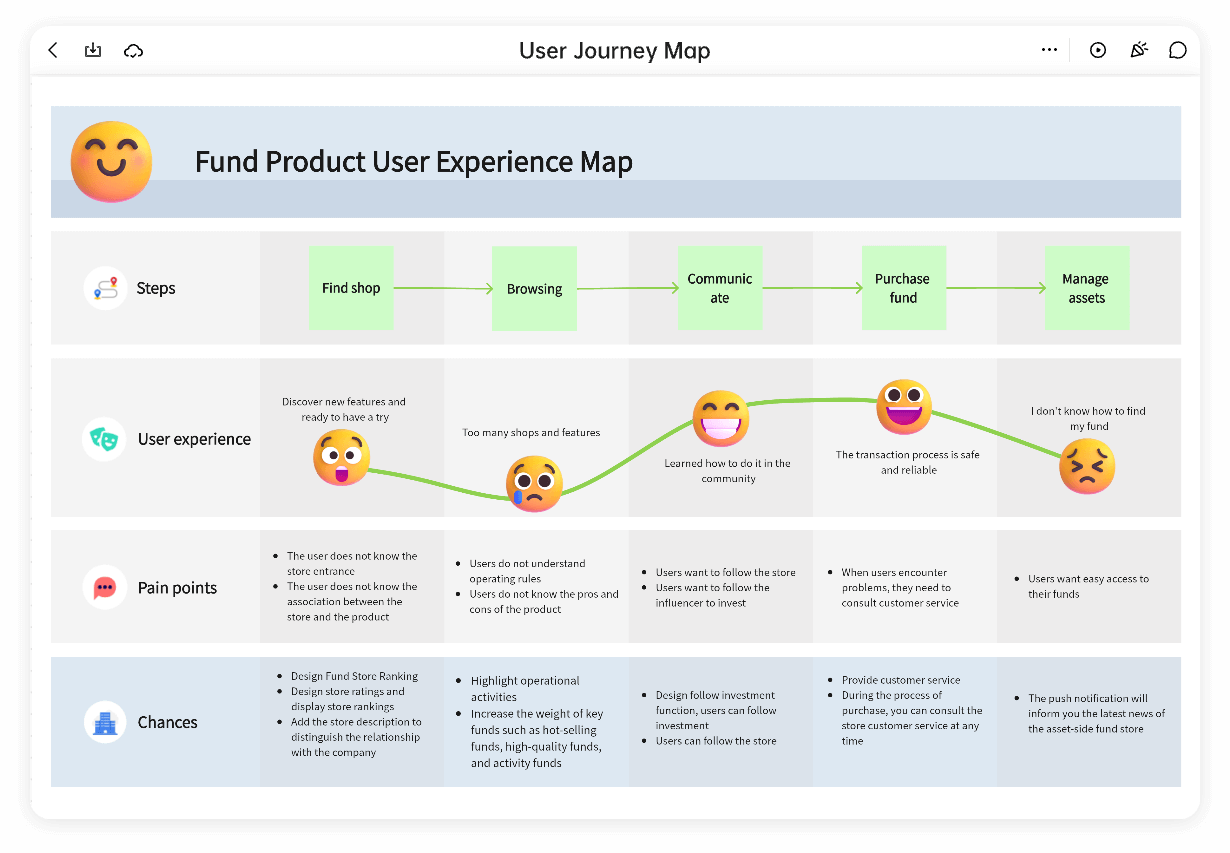
The truth is that technology roadmaps are versatile tools that can work in different contexts. For this reason, there are several types of them that you can create for your company. The most common types are the following:
- Technological – In this type, you are analyzing the technologies that might satisfy the needs of your organization and going through their benefits and risks.
- Visionary – This type of tech roadmap tries to visualize the bigger picture. In essence, it tries to spot market trends and find a way to take advantage of them.
- Strategic – Every new product or service that you develop serves the business’s strategy. This type of IT roadmap enables you to keep track of that.
- Project management – in this type, you go to project-level rather than company-level. By doing this, you can break down the needs of the project at hand.
Find a High-quality Template
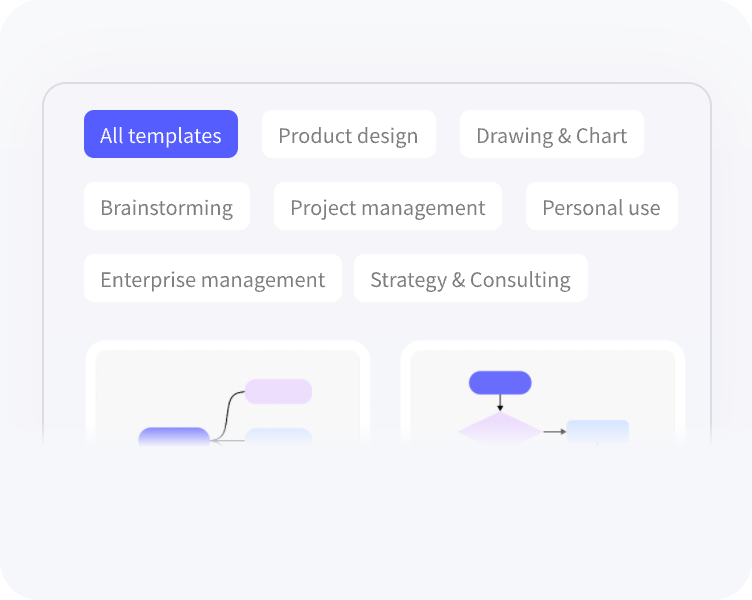
Once you have figured out all of the above, you can create your tech roadmap. Luckily, you don’t need to create it from scratch since there is a variety of templates. However, it is important to find a high-quality template that gives you all the tools you need to refine your technology roadmap.
Use an All-in-one Roadmap Tool – Boardmix
Use Boardmix to arrange your roadmap on a shared canvas. Put the business outcome at the top, then group milestones, dependencies, owners, and risks so colleagues can discuss the same plan.

Start with a roadmap template or a blank board. Add links to supporting technical documents beside the relevant milestones, and use comments to capture questions without crowding the main timeline.
Technology roadmaps can really make a difference in the implementation of new technologies in your business. And with tools, like Boardmix, you can learn how to create them efficiently. Try out the app to get started with tech roadmaps right now!