



The best Miro alternative depends on the job. Boardmix is a strong all-purpose option for visual collaboration, AI creation, Miro import, and private-deployment discussions. monday.com is worth considering when work management is the center of the process. MindMeister focuses on mind mapping, Lucidspark emphasizes visual ideation and facilitation, and Microsoft Whiteboard fits teams already working in the Microsoft ecosystem.
This list is a selection guide, not a universal ranking. Product packaging changes, so confirm vendor pages and run the same real workflow in every finalist.
Why Teams Evaluate Miro Alternatives
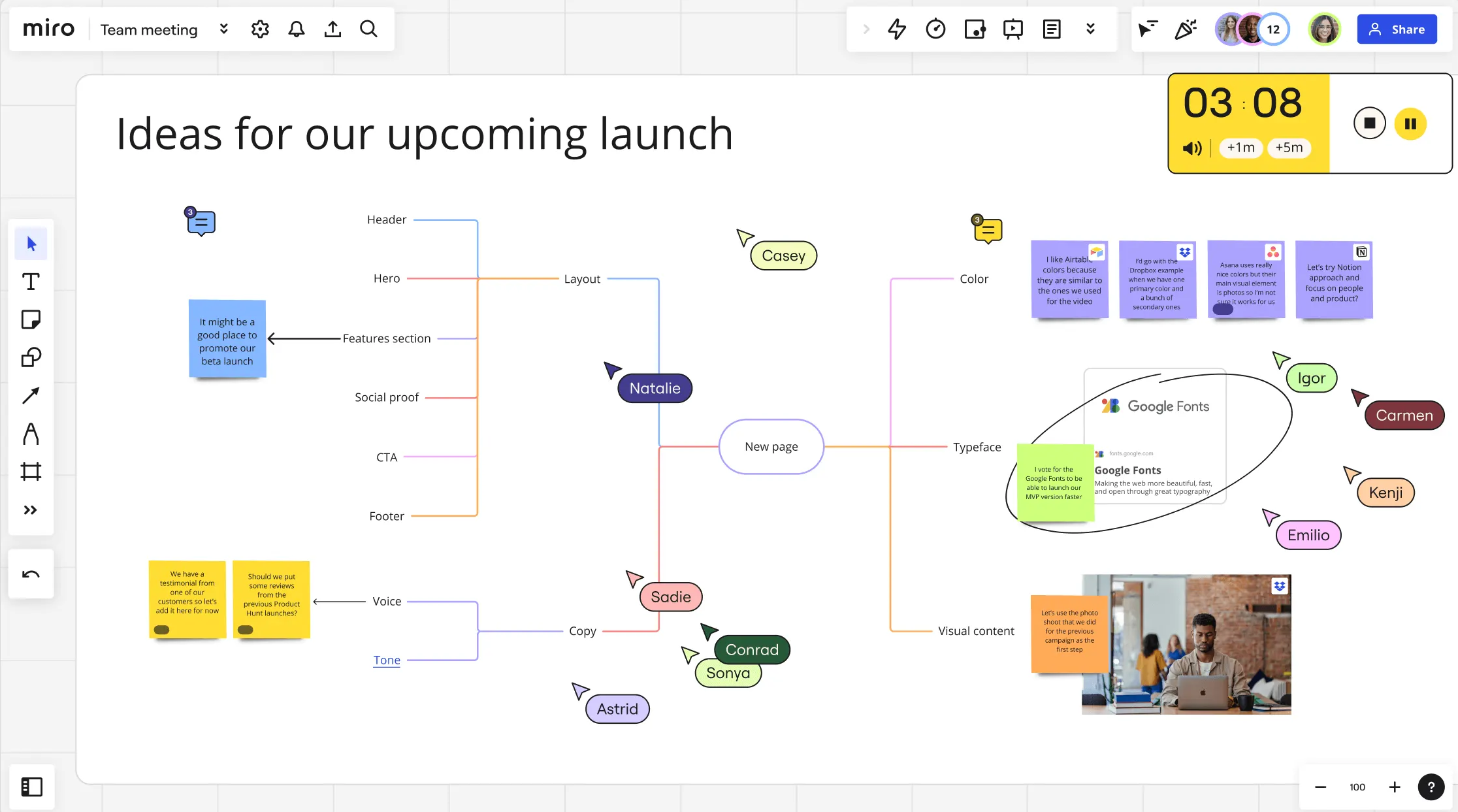
Miro remains a broad visual collaboration platform. Teams still compare alternatives when they need a different price structure, a simpler workflow, specialist mind mapping, tighter alignment with another work platform, direct migration, or customer-controlled deployment options.
The September 2026 announcement that Bending Spoons agreed to acquire Miro is another reasonable trigger for vendor due diligence. It is not evidence of a price increase or service reduction. Review renewal, export, data, integration, and continuity terms for every critical platform instead of predicting unannounced changes.
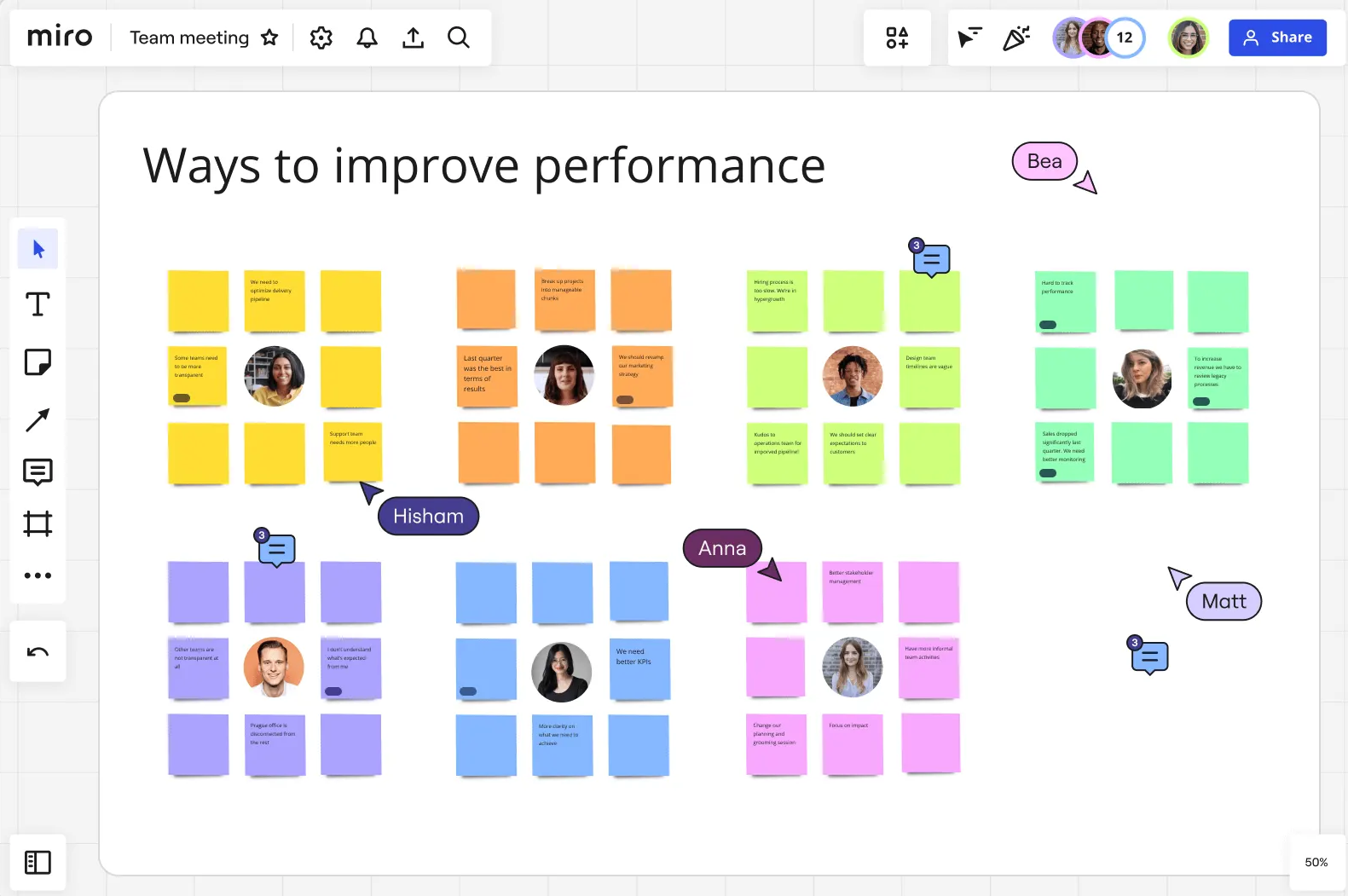
Miro Alternatives at a Glance
| Product | Start here when | Important validation |
|---|---|---|
| Boardmix | You want broad whiteboarding, diagrams, mind maps, AI tools, direct Miro import, or private-deployment discussions | Board limits, required integrations, import fidelity, and enterprise scope |
| monday.com | Work management and visual planning need to sit close together | Current whiteboard capability, licensing, and board-to-work-item handoff |
| MindMeister | Mind mapping is the main deliverable | Facilitation, diagram breadth, export, and team administration |
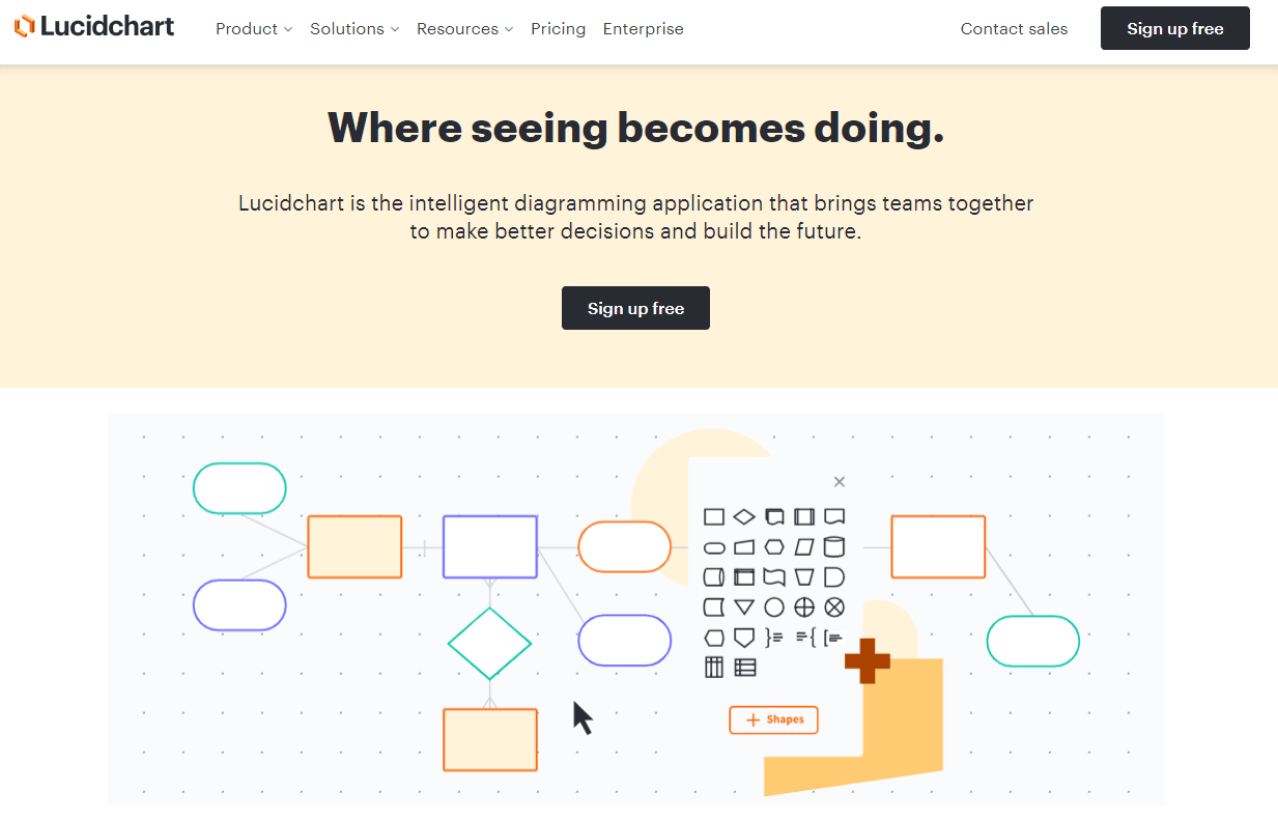
| Lucidspark | Ideation, facilitation, and connection to Lucid's visual platform matter | Plan packaging, integrations, and downstream diagram workflow |
| Microsoft Whiteboard | Participants already collaborate through Microsoft services | External access, templates, exports, administration, and cross-platform experience |
1. Boardmix: Broad Visual Collaboration and Miro Import
Boardmix supports brainstorming, diagrams, mind maps, visual planning, templates, and collaborative editing on an infinite canvas. Its current pricing separates core plans from AI plans, and its enterprise materials advertise private-deployment and SDK discussions. The direct importer is especially relevant to an existing Miro team.
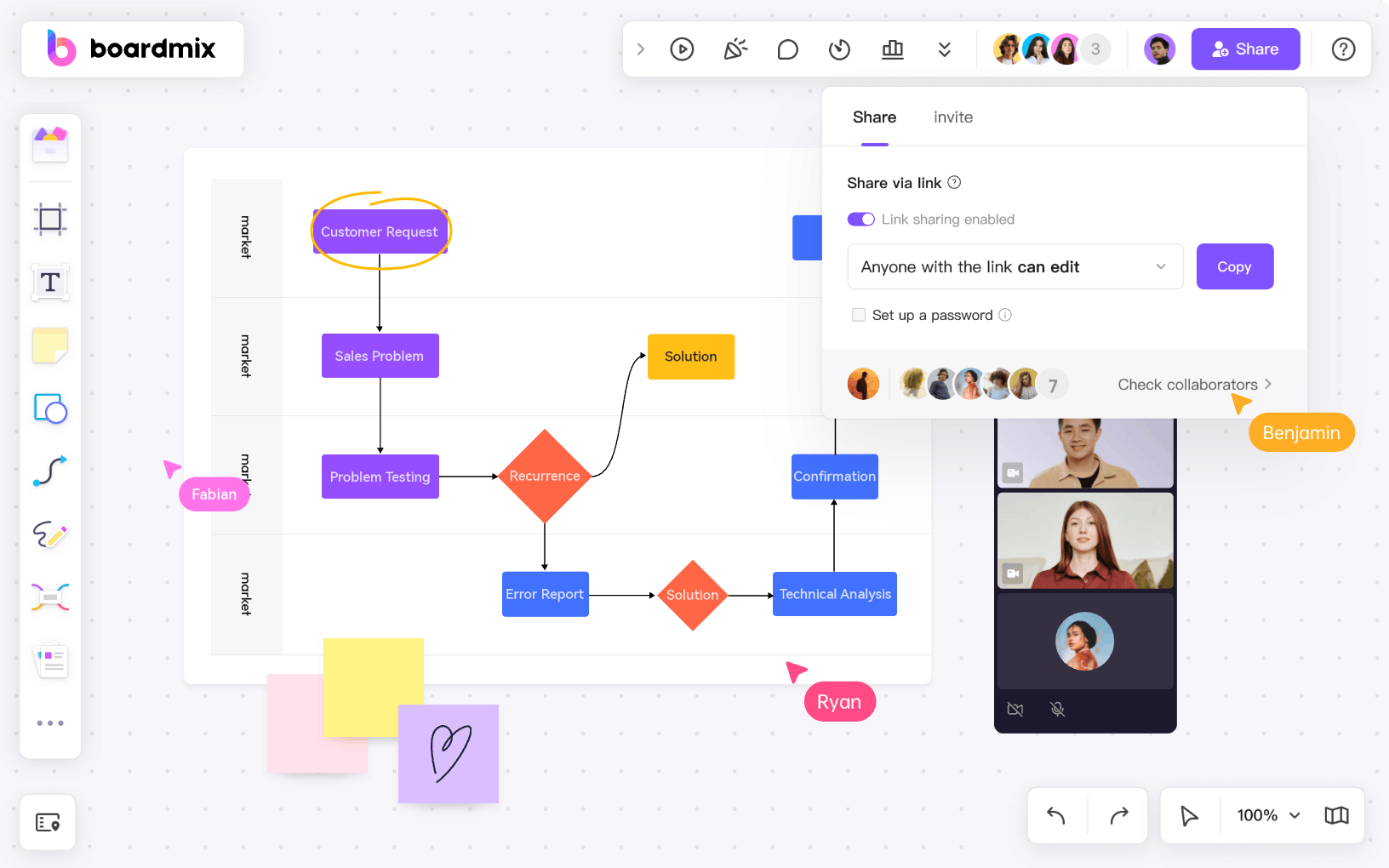
Best fit: teams that want one canvas for mixed visual work rather than a specialist tool for only one artifact type. Test Boardmix with both a live workshop and a board that must be maintained after the meeting. Check sharing, comments, connectors, exports, and the handoff from ideas to the team's system of record.
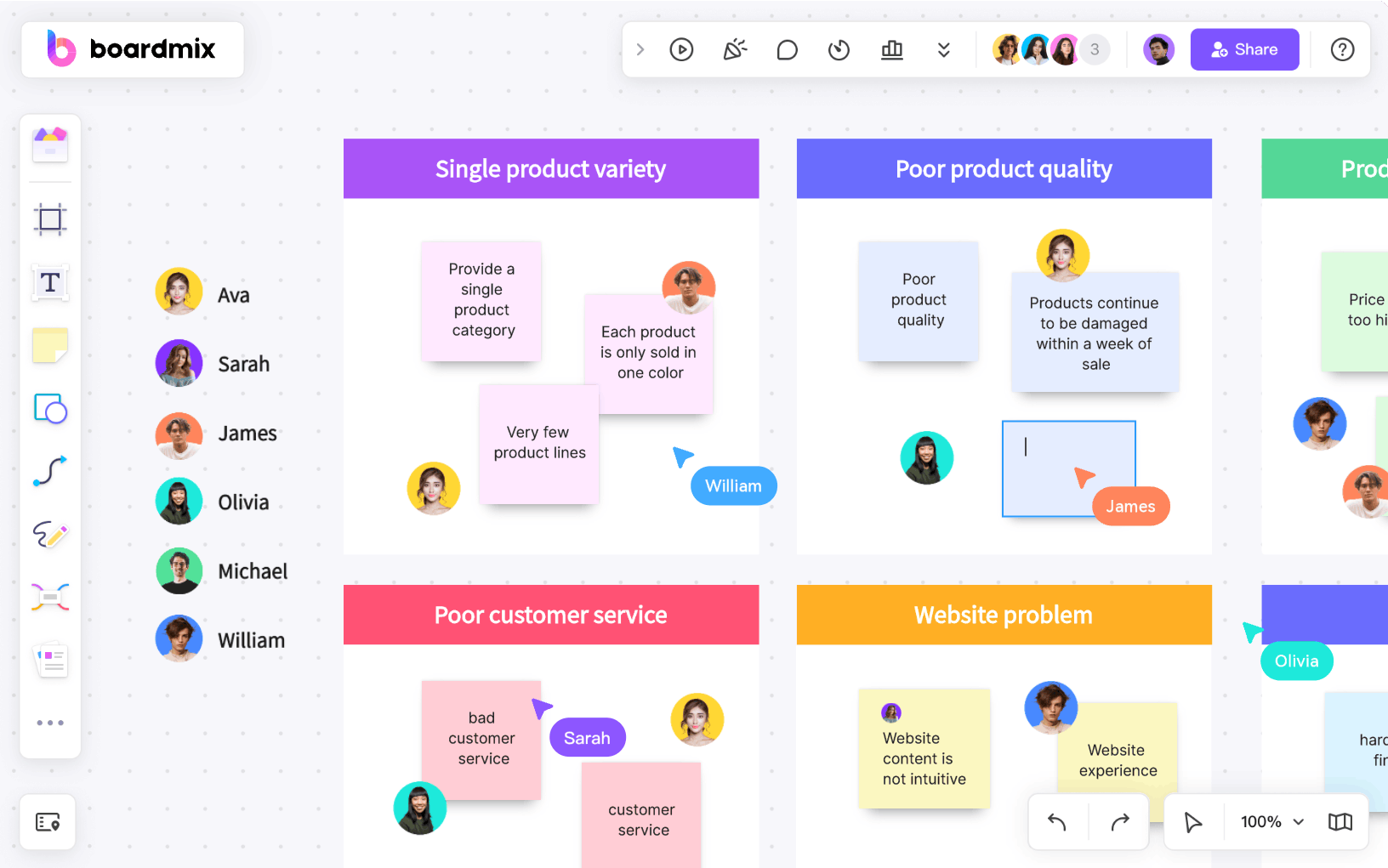
Tradeoffs to validate: the free plan's board and object limits, the exact features included in core and AI plans, each required integration, and import handling for content beyond the documented editable object types. Enterprise buyers should validate private-deployment scope in a written technical proposal.
The current Boardmix pricing page lists three editable boards and 100 objects per board on Free, with Starter at $5 per member per month billed annually. Verify current terms before buying.
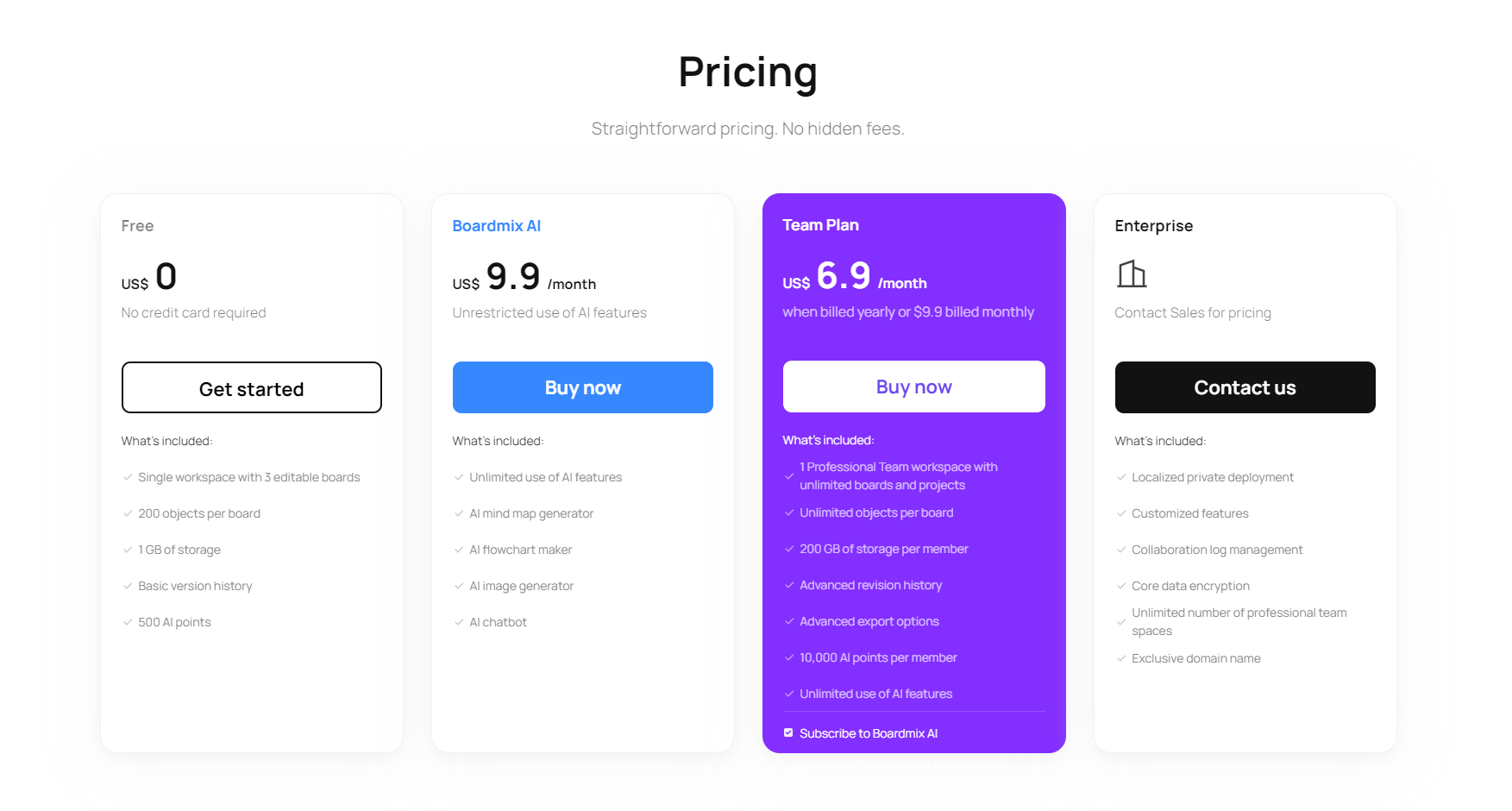
Read the plan screenshot together with the live pricing page. Identify which tier includes the normal board capacity, collaborators, AI usage, history, storage, administration, and support the pilot revealed; the lowest headline price may not represent the complete deployment.

If a lifetime option is being considered, confirm its included members, limits, AI credits, future feature access, support, refund terms, and applicability to team growth. Treat the offer shown in the illustration as time-sensitive rather than a permanent part of the comparison.
2. monday.com: Work Management-Centered Evaluation
Consider monday.com when the primary system of record is work management and the visual board must feed that process. Build a pilot that starts with ideation, converts decisions into owned work, and reports status. Confirm the current product and plan that provide each part of that flow rather than assuming all monday.com capabilities are included together.
Best fit: a team that values assigned work, status, automation, and reporting as much as free-form ideation. Tradeoffs to validate: how flexible the whiteboard experience is for facilitation, whether board content becomes connected work items or copied information, and which licenses participants need for the end-to-end workflow.
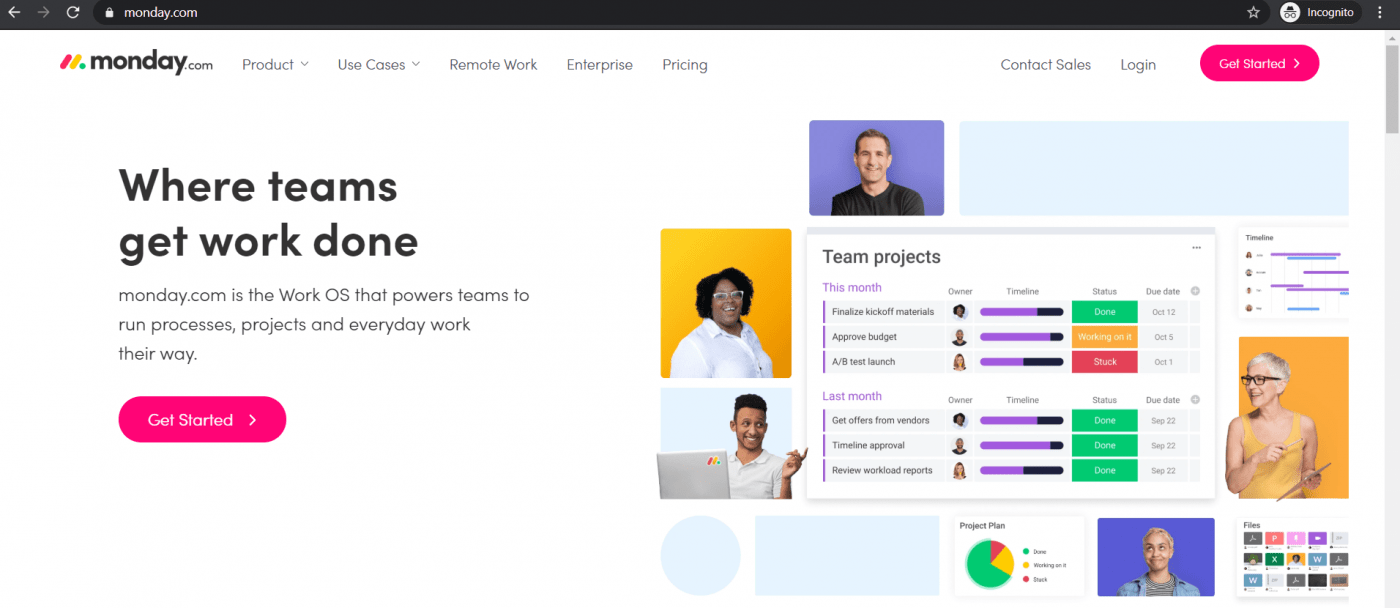


How to read the comparison markers: use them as prompts to verify the current plan, not as a permanent yes-or-no verdict. For monday.com, demonstrate the exact whiteboard-to-work-item handoff and record any license or automation dependency.
3. MindMeister: Mind-Mapping Focus
Shortlist MindMeister when a structured mind map is the main artifact. Test keyboard-driven editing, branches, links, presentation, collaboration, export, and the handoff from a map into follow-up work. A focused tool may be easier for this job, while a broader whiteboard may be preferable for mixed workshops and diagrams.
Best fit: research, outlining, knowledge organization, and meetings where ideas naturally form a hierarchy. Tradeoffs to validate: free-form canvas work, facilitation methods that use many object types, diagram notation, external collaboration, and whether exports preserve the structure required by downstream tools.
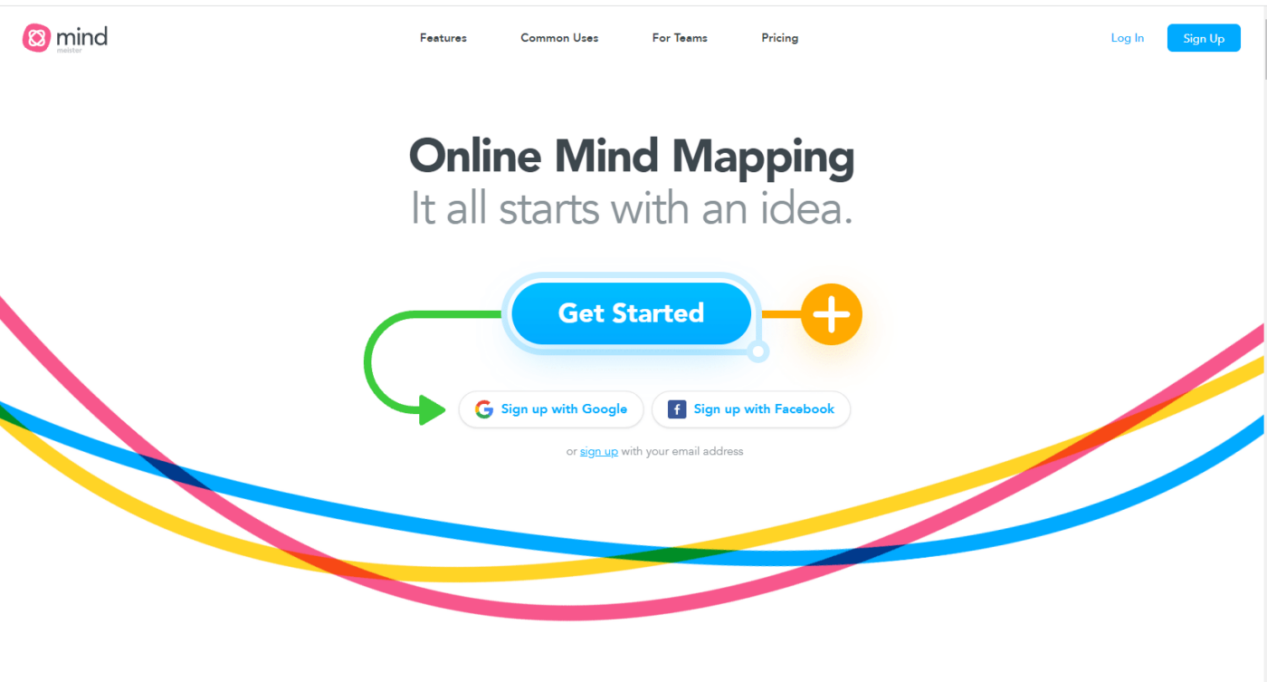
How to read the comparison markers: validate the capabilities that matter to the selected mind-mapping workflow, including collaboration, presentation, export, guest access, and follow-up. Current plan rules should take precedence over an older visual indicator.
4. Lucidspark: Ideation and Visual Facilitation
Lucidspark describes an infinite canvas for brainstorming, facilitation, planning, and collaboration within Lucid's visual platform. It deserves a pilot when the team also values the relationship between early ideation and more formal visual documentation. Test the exact handoff and licensing needed for that workflow.
Best fit: facilitated ideation that may lead into a broader Lucid visual-documentation workflow. Tradeoffs to validate: which capabilities belong to which product or plan, how objects move between stages, guest participation, required integrations, and the total licensing model for contributors and maintainers.
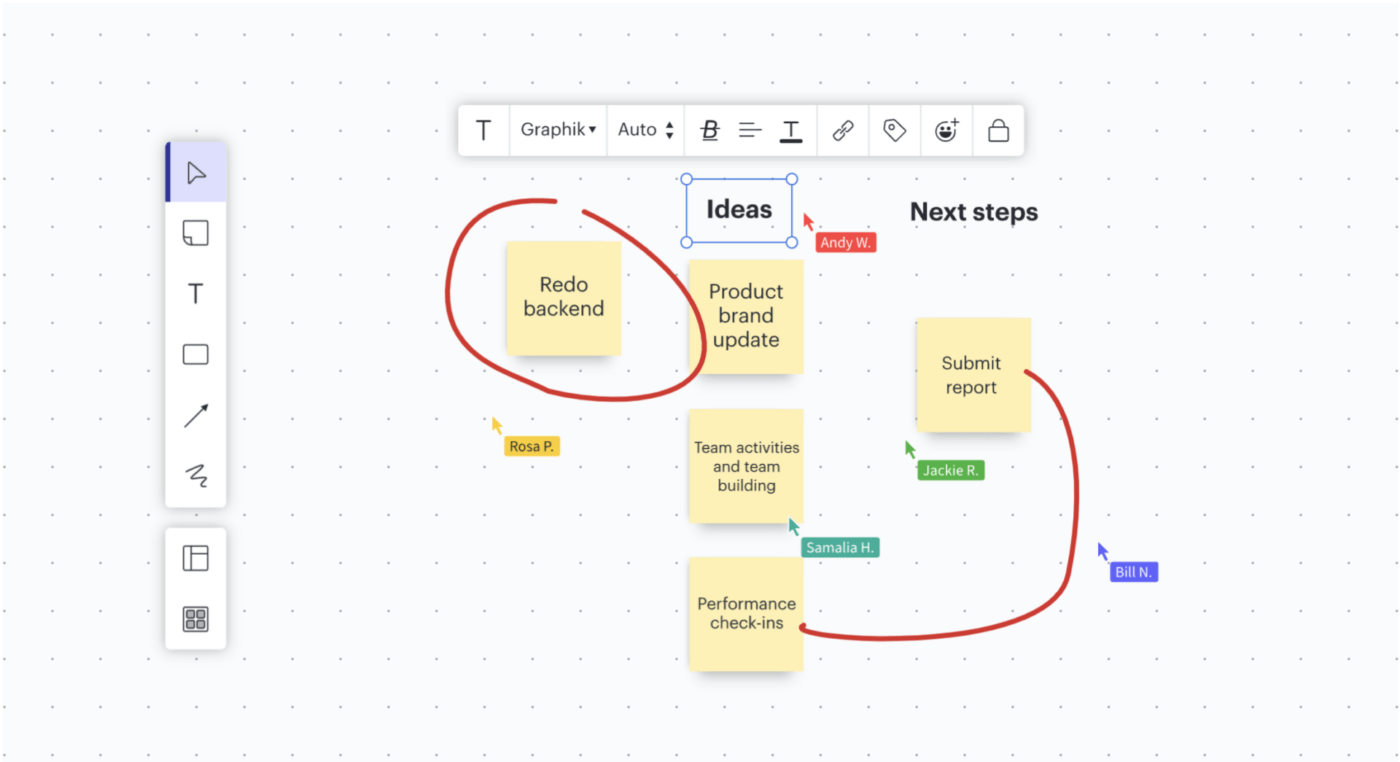
How to read the comparison markers: check the current Lucidspark and related Lucid packaging for every required capability. Pay particular attention to the handoff from ideation to maintained diagrams, because that workflow can cross product and plan boundaries.
5. Microsoft Whiteboard: Microsoft Ecosystem Fit
Microsoft Whiteboard is available across Microsoft collaboration environments and multiple device platforms. It is a natural product to test when meeting participants already use Microsoft accounts and Teams. Validate guest access, administration, templates, export, facilitation, and the experience for non-Microsoft collaborators.
Best fit: teams that want a familiar visual surface close to their existing Microsoft meetings and identity environment. Tradeoffs to validate: collaboration with external partners, the depth of diagramming and facilitation, cross-device behavior, export and portability, and whether the board can serve as durable documentation after a meeting.
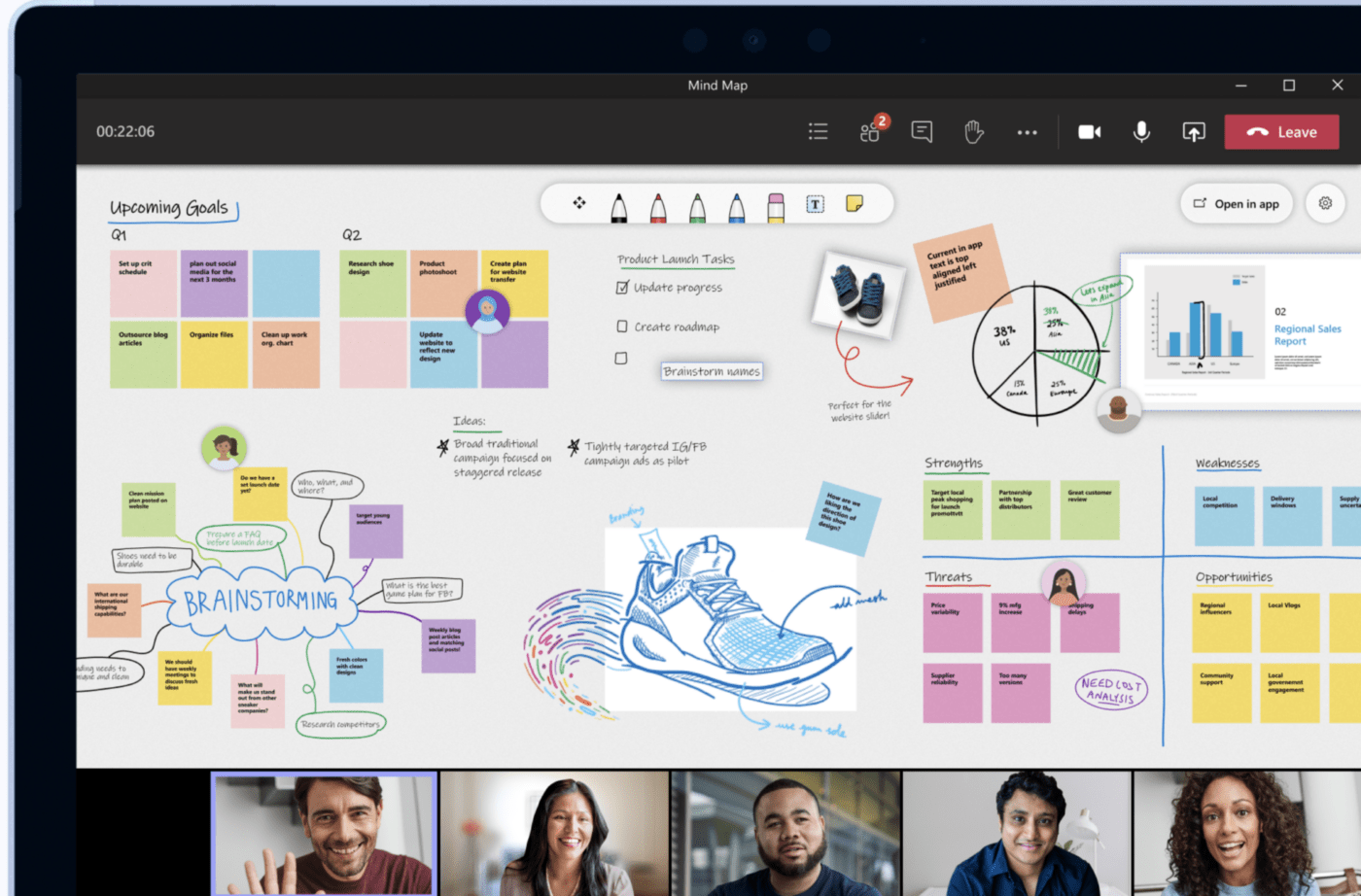
How to read the comparison markers: test with the identity and device mix the team actually uses. Confirm external participation, administration, export, and the post-meeting workflow instead of inferring current support from a retained comparison icon.
How to Choose a Miro Alternative
- List the three workflows that justify the purchase.
- Mark integrations, identity, sharing, export, data location, and deployment requirements as mandatory or optional.
- Price the members, guests, AI usage, support, and implementation actually needed.
- Use the same complex board and facilitation script in each finalist.
- Score observed results and contract evidence, not marketing-page feature counts.
For a Miro move, use the Boardmix migration guide to test supported editable objects. Keep comments, permissions, history, apps, and integrations on a separate checklist.
Last verified: September 16, 2026. Miro and the other product names are trademarks of their respective owners. Boardmix is not affiliated with or endorsed by them.