



To use AI for marketing effectively, begin with a measurable business objective, give the system verified source material, and use it to accelerate specific parts of the workflow rather than asking it to invent a complete strategy. A reliable process has seven steps: define the outcome, assemble the source pack, synthesize audience insight, shape the marketing mix, map the customer journey, produce reviewed variants, and run a controlled test.
AI is useful for organizing information, generating options, and reducing repetitive drafting. People remain responsible for customer understanding, product facts, priorities, legal and brand review, and the final decision to publish. The workflow below keeps that division of responsibility explicit.


Step 1: Define the Marketing Outcome
Write a one-sentence objective before opening an AI tool. Include the audience, desired action, time horizon, and primary measure. For example: "Help new operations managers understand the webinar's practical value and increase qualified registrations during the four-week campaign." Add a guardrail such as unsubscribe rate, acquisition cost, or sales-qualified lead rate so that one metric is not improved at the expense of the broader customer experience.
Separate the objective from the deliverables. "Create ten posts" is an output; "generate qualified webinar registrations" is an outcome. Place the objective, assumptions, owners, milestones, and channel decisions in a shared plan. This guide to marketing planning with Boardmix shows how to organize the wider planning process.
Step 2: Build a Verified Source Pack
AI output is only as dependable as the context supplied. Create a compact source pack containing the approved product description, audience research, evidence-backed customer problems, brand voice, campaign constraints, channel requirements, and examples of acceptable work. Label every source with an owner and review date. Distinguish product facts from hypotheses and customer quotations from internal interpretations.
Do not upload confidential customer, employee, or company information unless your organization has approved the tool and configuration for that data. Remove unnecessary personal information, use the least sensitive input possible, and keep a human-readable record of the sources used for important claims.
Step 3: Turn Research into Audience Insights
Ask AI to organize evidence, not to manufacture an audience. It can group interview notes by problem, desired outcome, objection, trigger, or decision criterion; compare segments; and identify questions that the research does not answer. Require the output to point back to the supplied notes and mark any inference clearly.
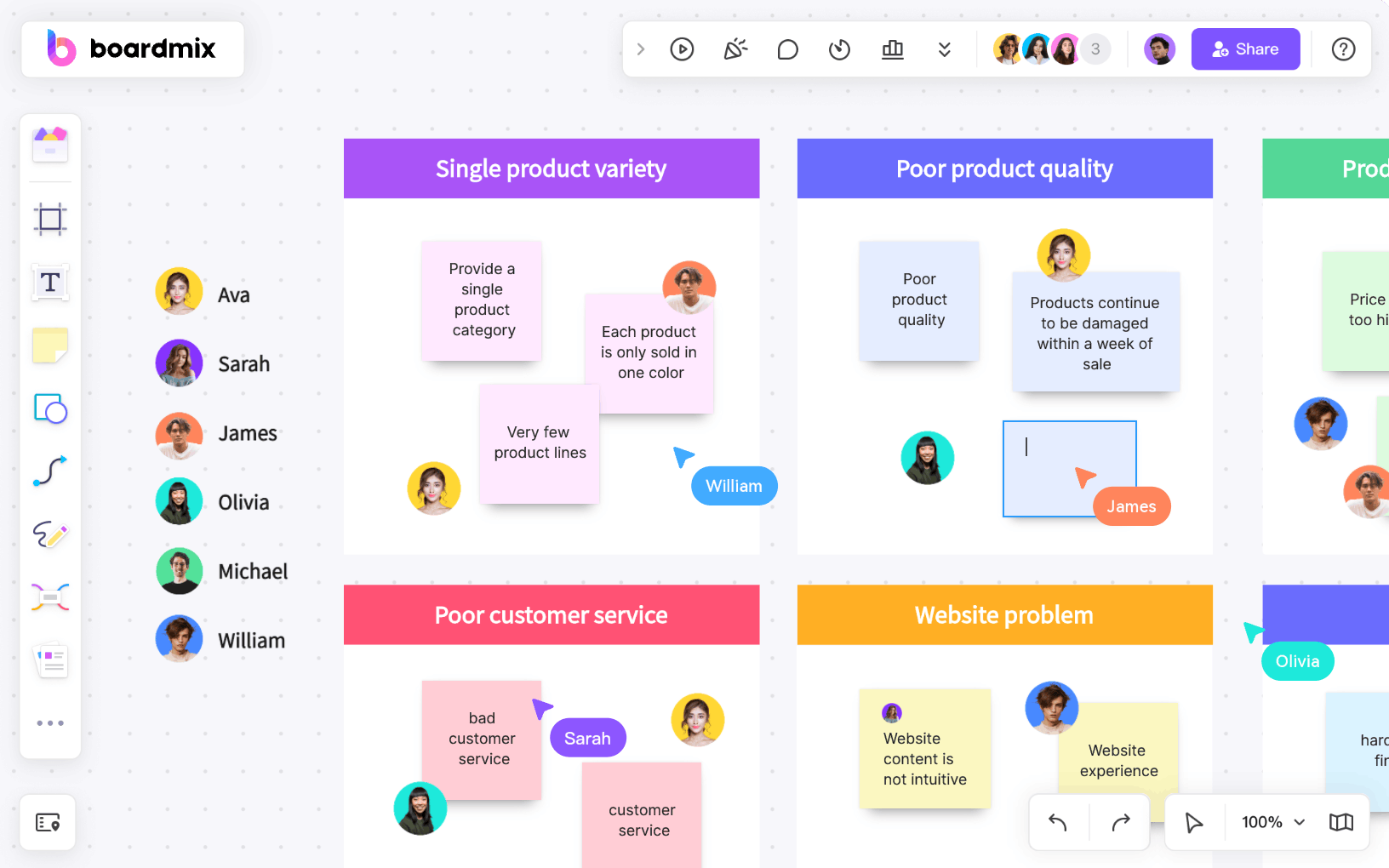
A useful review separates three columns: "direct evidence," "reasonable inference," and "unknown." Keep unknowns visible until additional research resolves them. This prevents a fluent summary from turning an assumption into a false fact. The marketing lead should choose the priority audience based on strategic relevance and evidence strength, not on which generated persona sounds most polished.
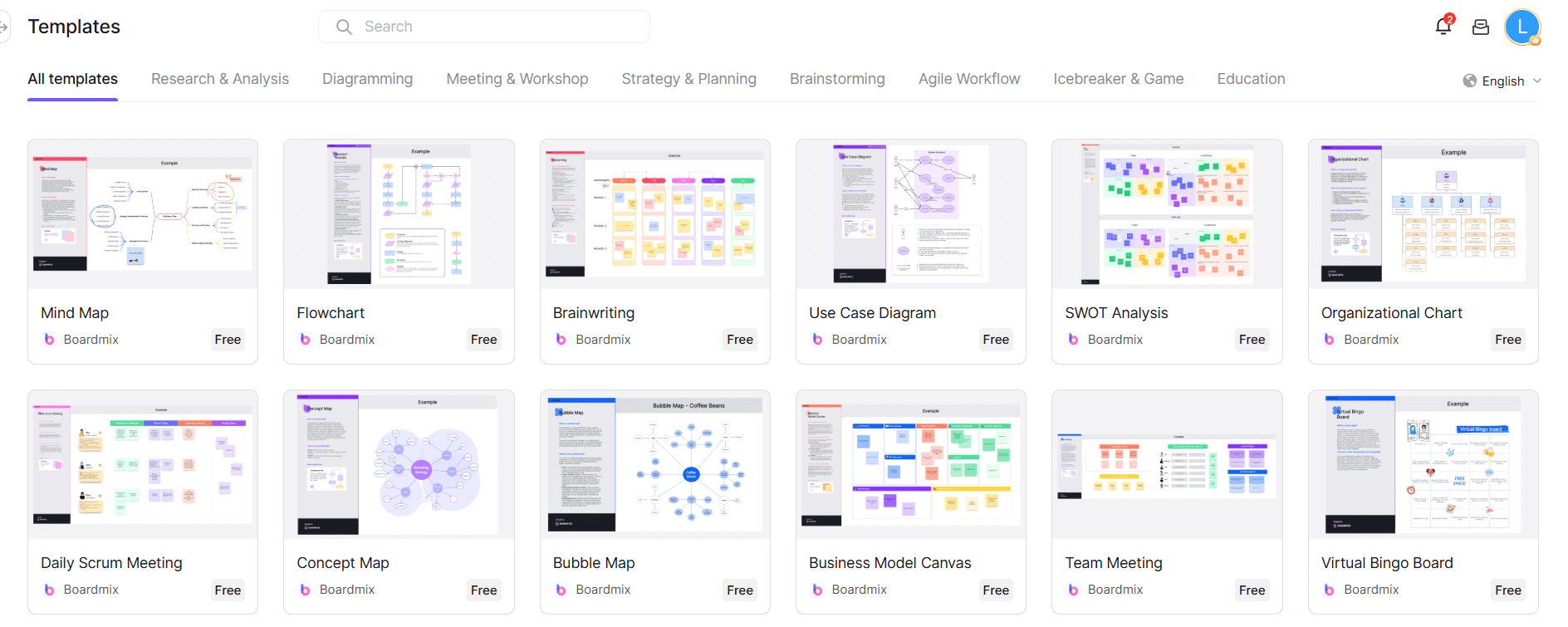
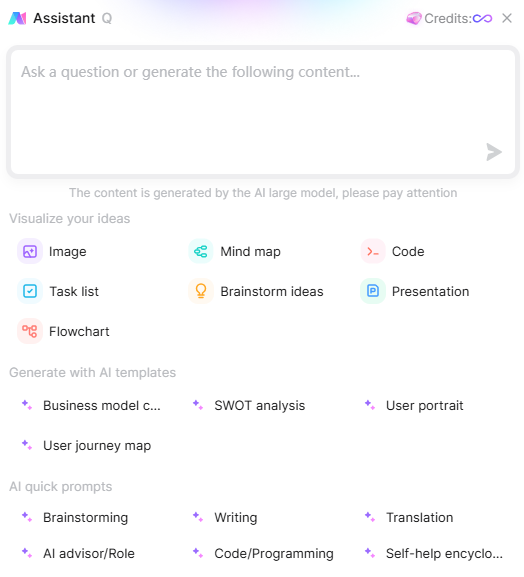
- Business Model Canvas:Map out your marketing strategies, revenue streams, and customer segments effortlessly.
SWOT Analysis:Quickly identify your brand’s strengths, weaknesses, opportunities, and threats to refine your competitive strategy.
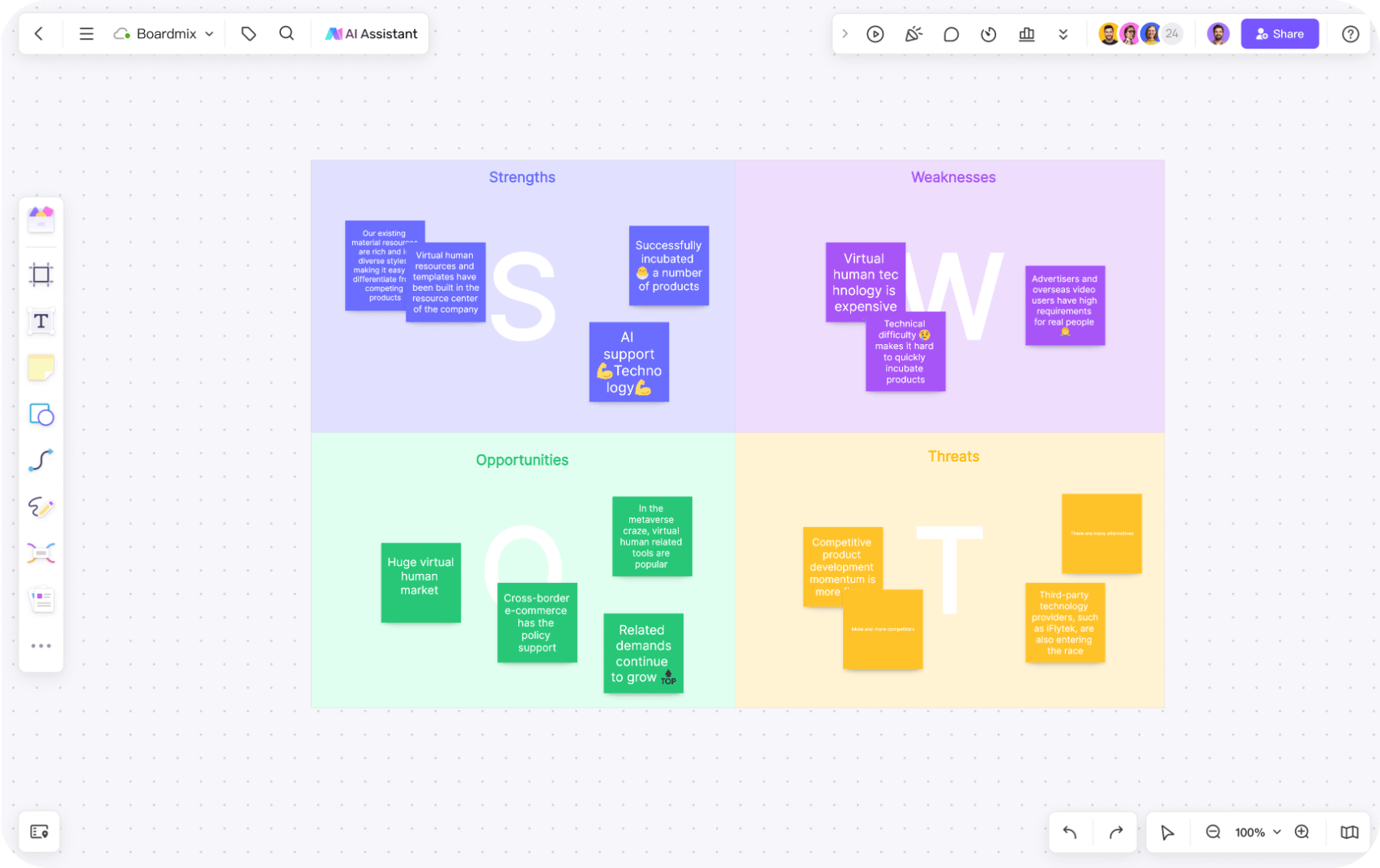
- User Persona & Customer Journey Mapping:Understand your target audience better by visualizing their needs, pain points, and decision-making process. This helps create more personalized and effective campaigns.
Step 4: Shape the Message and Marketing Mix
Translate the approved objective and audience insight into a message hierarchy: the customer problem, the promised outcome, the evidence supporting that promise, likely objections, and the next action. Ask for several alternatives, then score each against specificity, credibility, differentiation, and fit with the audience's stage of awareness.
Next, review product, place, promotion, and price as connected decisions. AI may help expose contradictions or missing information, but pricing, positioning, and product claims must come from approved business sources. For a dedicated framework, follow the step-by-step AI marketing mix guide. Do not repeat the same generic keyword in every heading; use the language customers use for their actual problem.
Step 5: Map the Journey and Channel Roles
Map what the audience needs at awareness, consideration, decision, and retention. Assign each channel a role instead of publishing the same message everywhere. Search may answer a specific question, email may nurture an existing relationship, social content may introduce an idea, and a product page may support evaluation. The exact mix depends on the audience and campaign.
For each stage, record the user question, useful evidence, content format, owner, next step, and success signal. Ask AI to find gaps and duplicated messages, then have channel owners validate the result. A social media flowchart for marketing strategy development can help document channel decisions and review paths.
Step 6: Generate Drafts with a Four-Pass Review
Give the model a bounded assignment. A practical prompt includes the objective, audience, funnel stage, approved facts, required evidence, channel, tone, length, exclusions, and output format. Add: "If a fact is not in the source pack, mark it as unknown instead of filling the gap." Request two or three meaningfully different approaches rather than dozens of superficial variants.
Pass 1: Check the Brief
Confirm that the draft addresses the defined audience, objective, channel, and next action. Reject content that is fluent but solves a different problem.

Pass 2: Check Every Claim
Trace factual statements, comparisons, statistics, and product claims to an approved source. Remove claims that cannot be verified. Check names, dates, quotations, and links separately.
Pass 3: Add Human Value
Replace generic introductions and repeated advice with a real example, a decision rule, a limitation, or an insight from the team's experience. Make the first paragraph answer the reader's question directly.
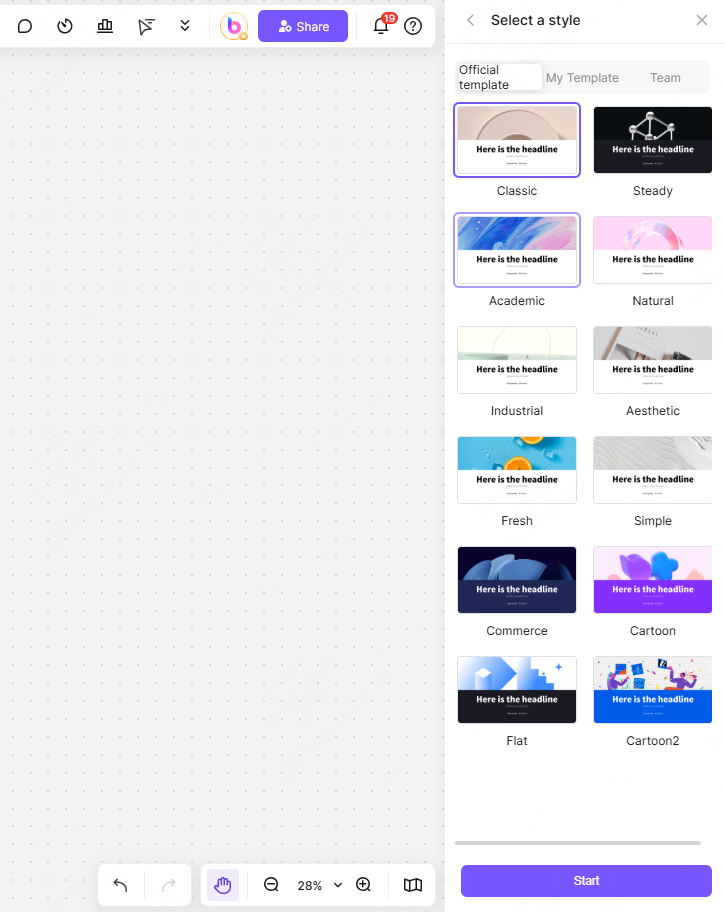
Pass 4: Edit for the Channel
Adjust hierarchy, length, visual needs, accessibility, and call to action for the destination. Read the final copy as a customer would, then obtain the required editorial, subject-matter, brand, and legal approvals.
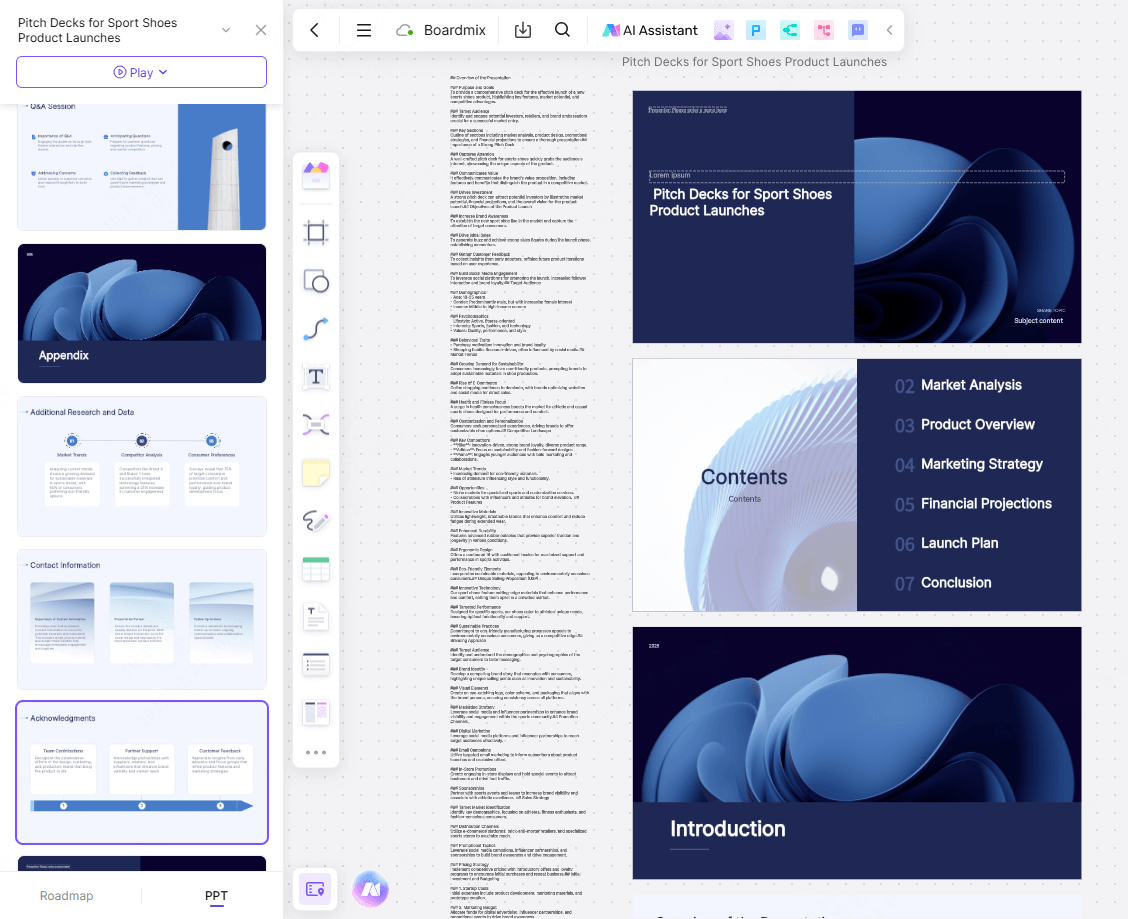
Step 7: Run a Controlled Test and Record Learning
Start with a limited audience or low-risk campaign. Change one meaningful variable at a time, define the success threshold before launch, and keep the original version as a baseline. Measure the business outcome and guardrail metrics selected in Step 1, not only engagement signals that are easy to collect.
After the test, record the hypothesis, inputs, version, audience, dates, result, limitations, and decision. Share what failed as well as what worked. Feed validated learning into the next source pack; do not let unreviewed generated content become training material for future campaigns simply because it was published once.
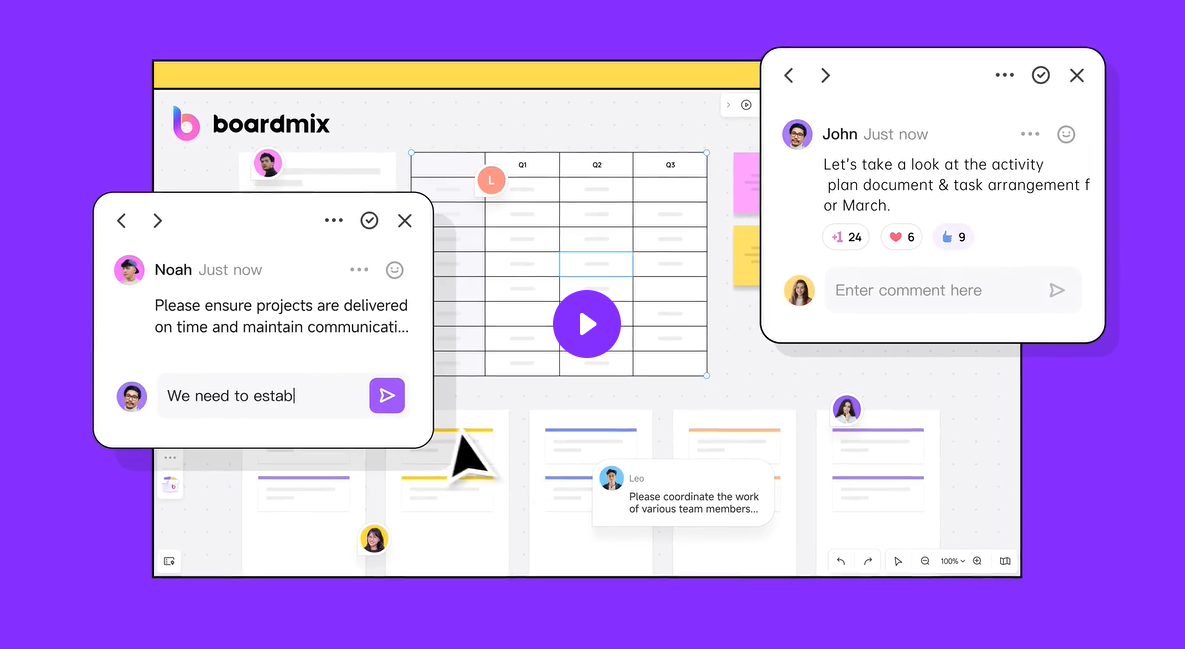
Three Useful Visual Workflows
Organize Research as an Evidence Map
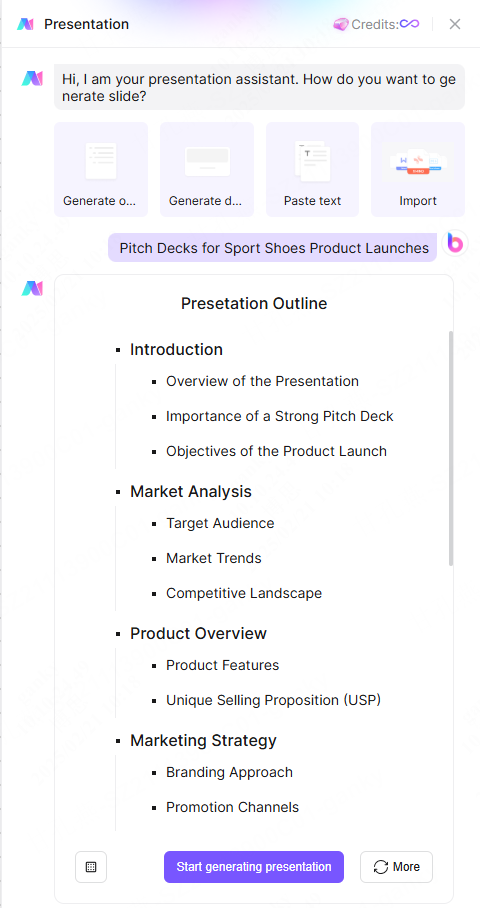
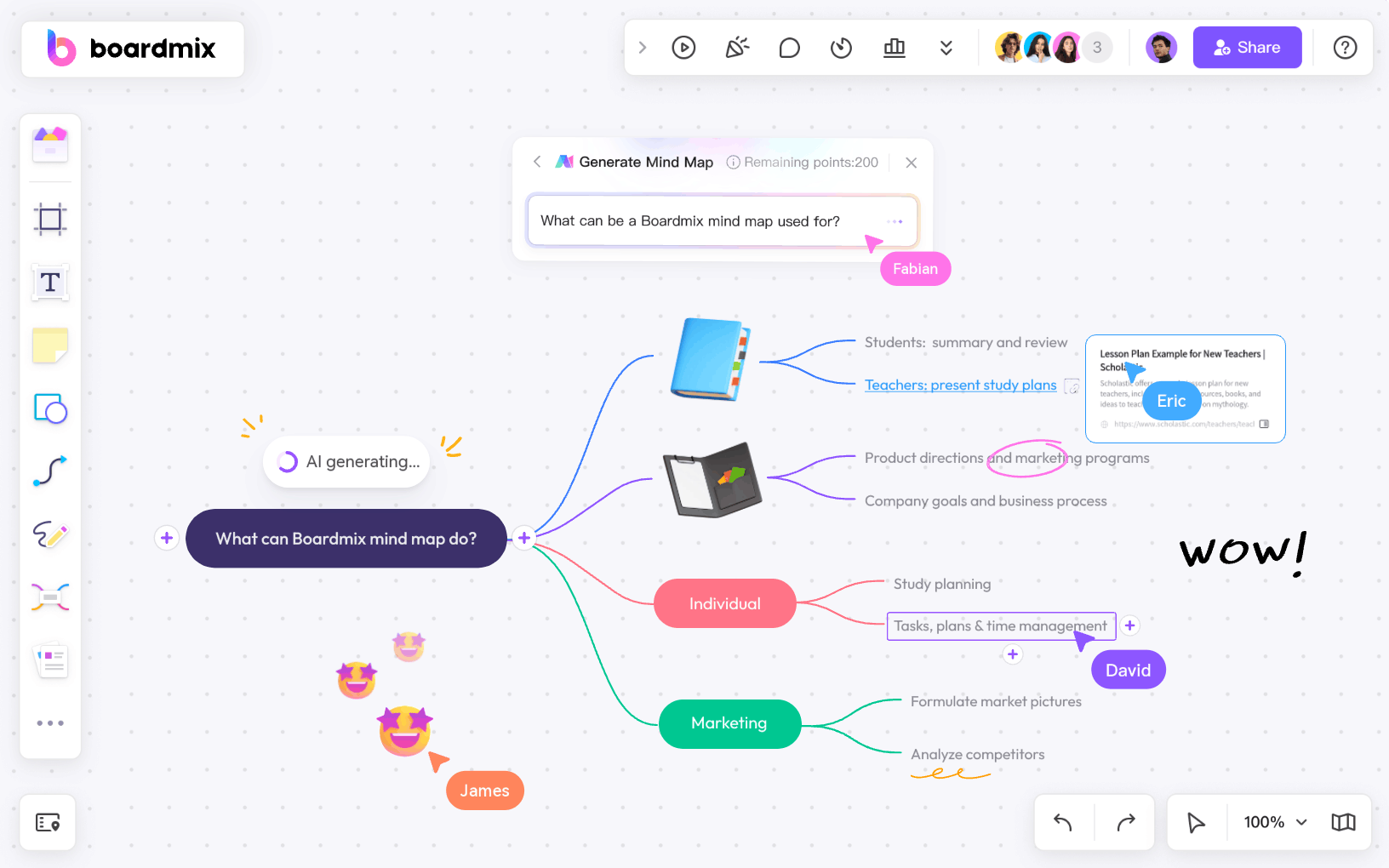
Use a mind map to connect customer statements, problems, desired outcomes, objections, and supporting sources. Mark assumptions visibly. This gives reviewers a quick way to challenge weak conclusions before they reach the content brief.
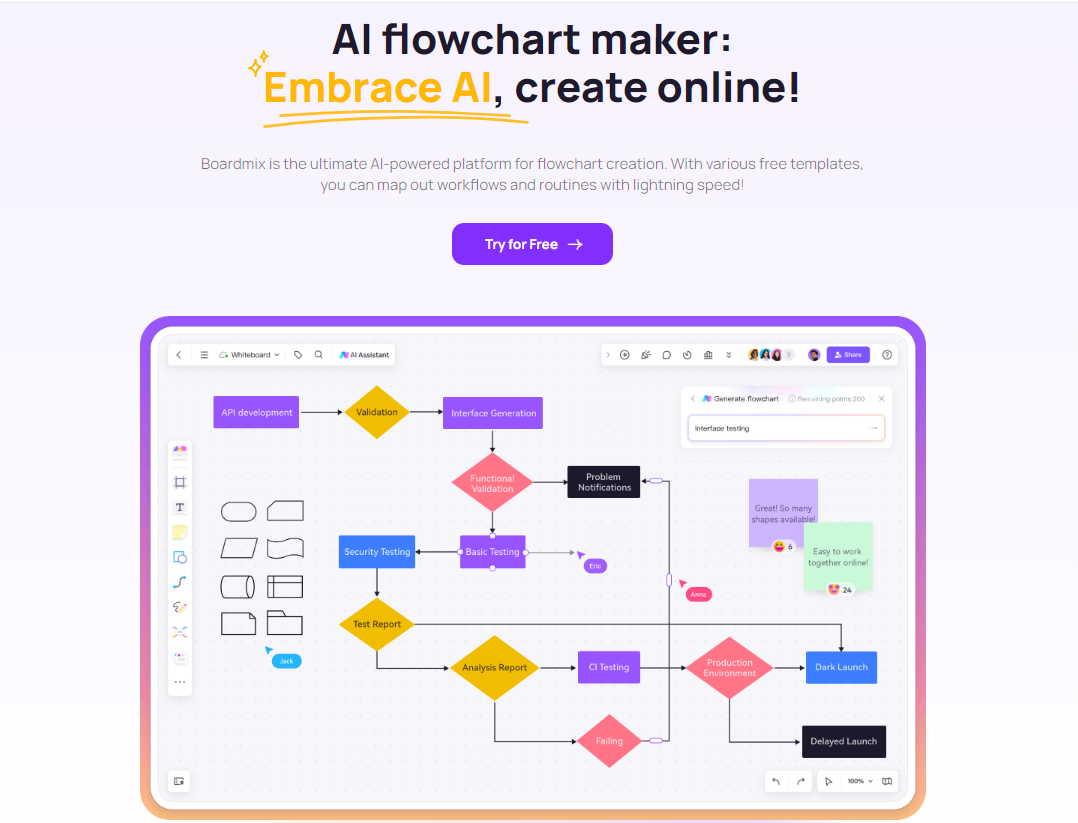
Document the Campaign as a Flowchart
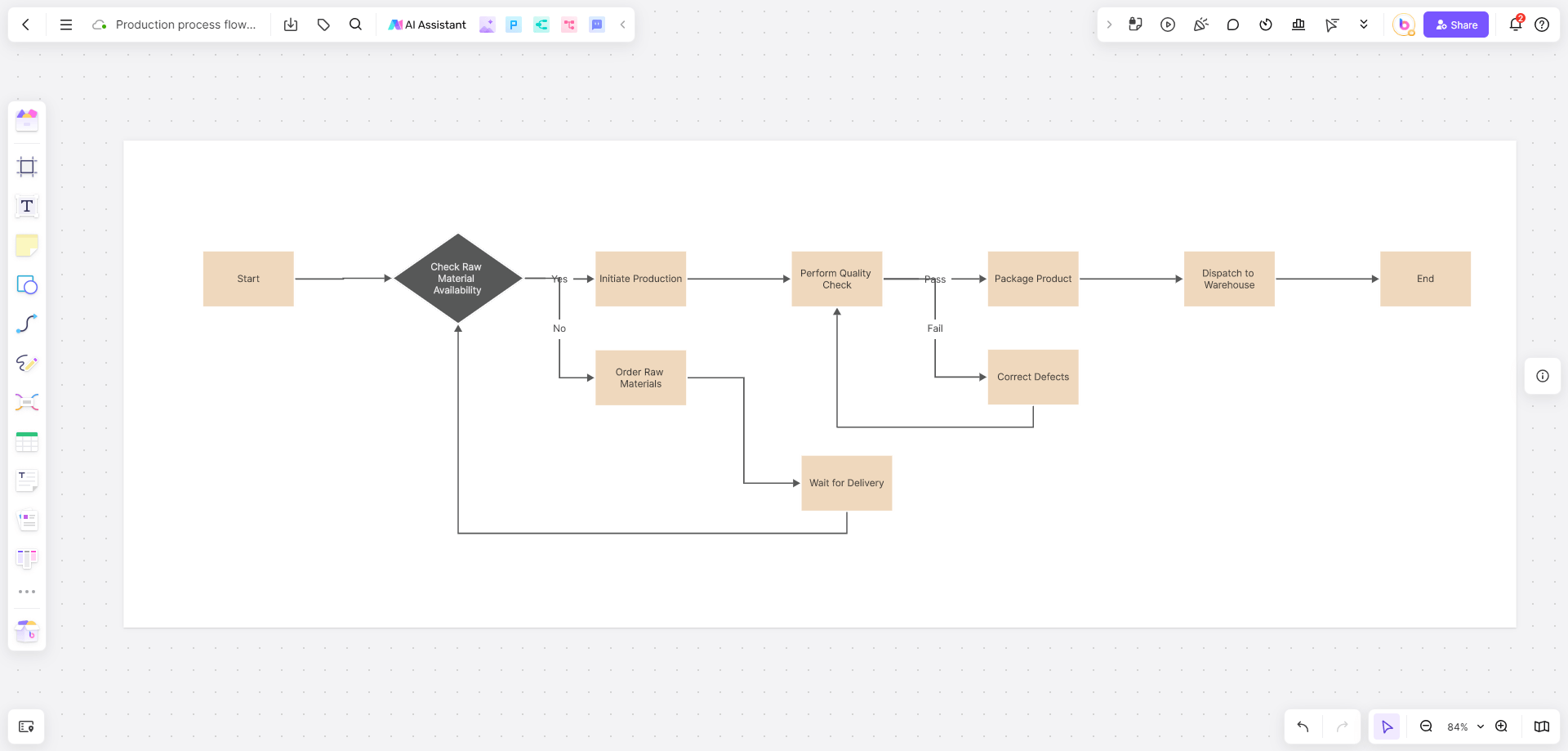
Use a flowchart to show triggers, channel handoffs, review gates, customer actions, and exit conditions. Add owners at decision points so that automation does not obscure accountability.
Keep the Audience Profile Tied to Evidence
A persona or audience profile should summarize verified patterns, not fictional detail. Include the research basis, confidence level, and unresolved questions so that future teams know what can and cannot be assumed.

AI Marketing Quality Checklist
- The campaign has one measurable objective and at least one guardrail metric.
- The source pack contains approved facts, owners, and review dates.
- Evidence, inference, and unknowns are labeled separately.
- Each channel has a distinct role in the customer journey.
- Every factual claim can be traced to an approved source.
- Generic AI language has been replaced with useful specifics or removed.
- Customer and company data follow the organization's privacy rules.
- Links, images, accessibility, formatting, and calls to action have been checked.
- A named person has approved the final asset.
- The test design and learning log exist before the campaign is scaled.
Frequently Asked Questions
What marketing tasks can AI help with?
AI can help organize research, summarize supplied material, generate options, draft content, adapt approved messages, identify workflow gaps, and reduce repetitive production. It should support a defined process rather than replace customer research, strategy, factual verification, or approval.
How do I write a useful AI marketing prompt?
Include the objective, audience, funnel stage, source material, required evidence, channel, tone, length, exclusions, and output format. Tell the system to label missing information as unknown and request a small number of genuinely different options.
Can AI create a marketing strategy from scratch?
It can suggest structures and questions, but a credible strategy requires business priorities, product truth, customer evidence, competitive judgment, resource decisions, and accountable owners. Those inputs and decisions must come from the organization.
How can I prevent inaccurate AI marketing content?
Use an approved source pack, prohibit unsupported additions, trace claims to sources, separate fact from inference, and require subject-matter review. Check links, names, dates, quotations, and product details independently before publication.
How should AI-generated marketing content be measured?
Measure it against the campaign's business objective, a human or previous-version baseline, and guardrail metrics. Include total editing and review time. Higher output volume or engagement alone does not prove that the work improved marketing performance.