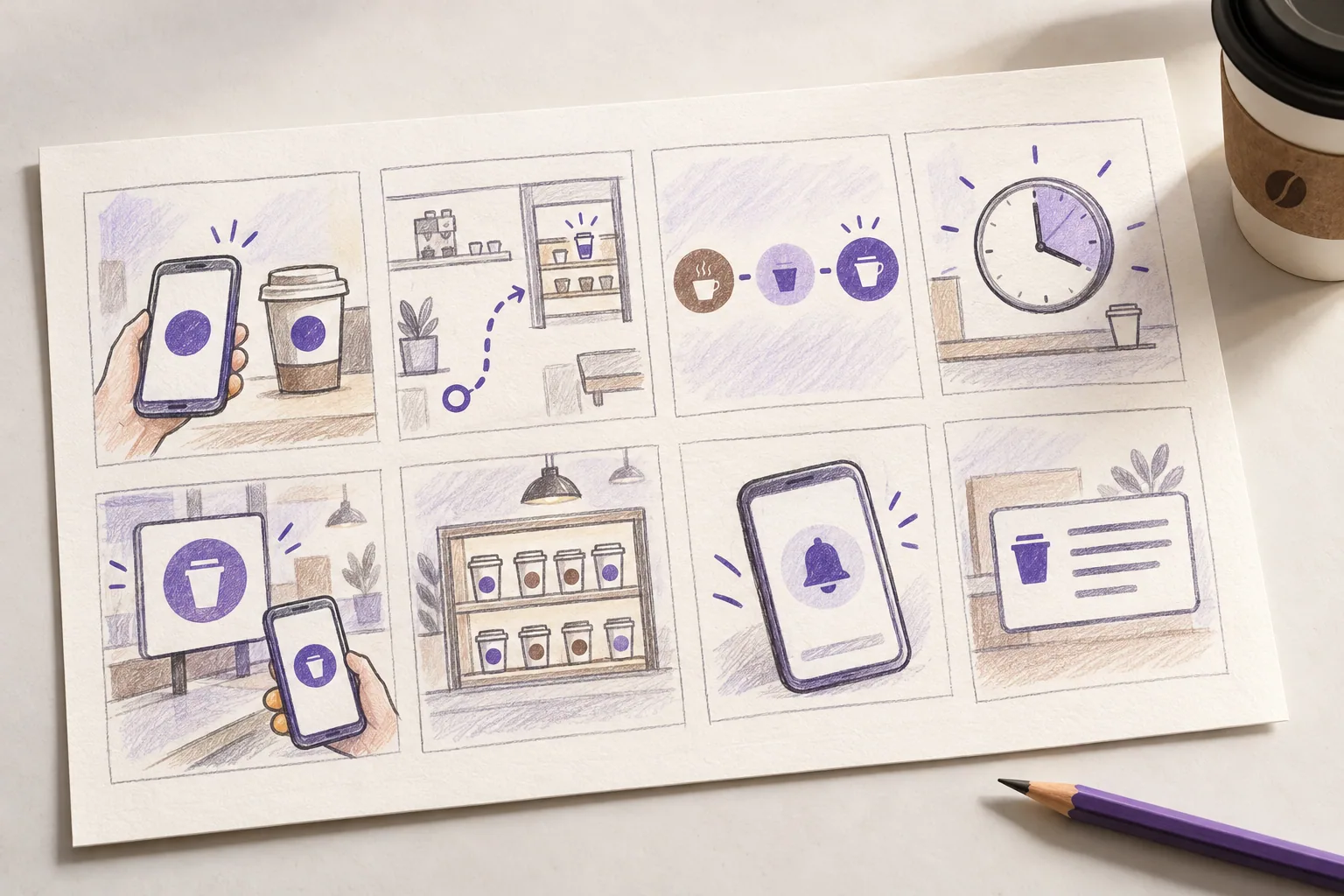
Crazy 8s: How to Run the Exercise, with 8 Sketch Examples
Run a Crazy 8s exercise with a clear prompt, eight sketch examples and practical facilitation steps. Learn how to compare ideas on a shared whiteboard.
Read article


Online Collaborative Whiteboard

Boardmix Developer Platform

AI tools for diagrams, writing, and ideas

UI/UX Tool, Figma Alternative

AI PPT Maker, Gamma Alternative
Run workshops, plan projects, and work with colleagues on a shared whiteboard.
Explore collaborative work
Run a Crazy 8s exercise with a clear prompt, eight sketch examples and practical facilitation steps. Learn how to compare ideas on a shared whiteboard.
Read articleBuild a skills matrix with a blank template, a filled team example and clear rating definitions. Identify coverage gaps and plan practical training.
Read articleLearn the World Café method with a practical agenda, table-rotation plan and worked example. See how to connect small-group insights on a shared board.
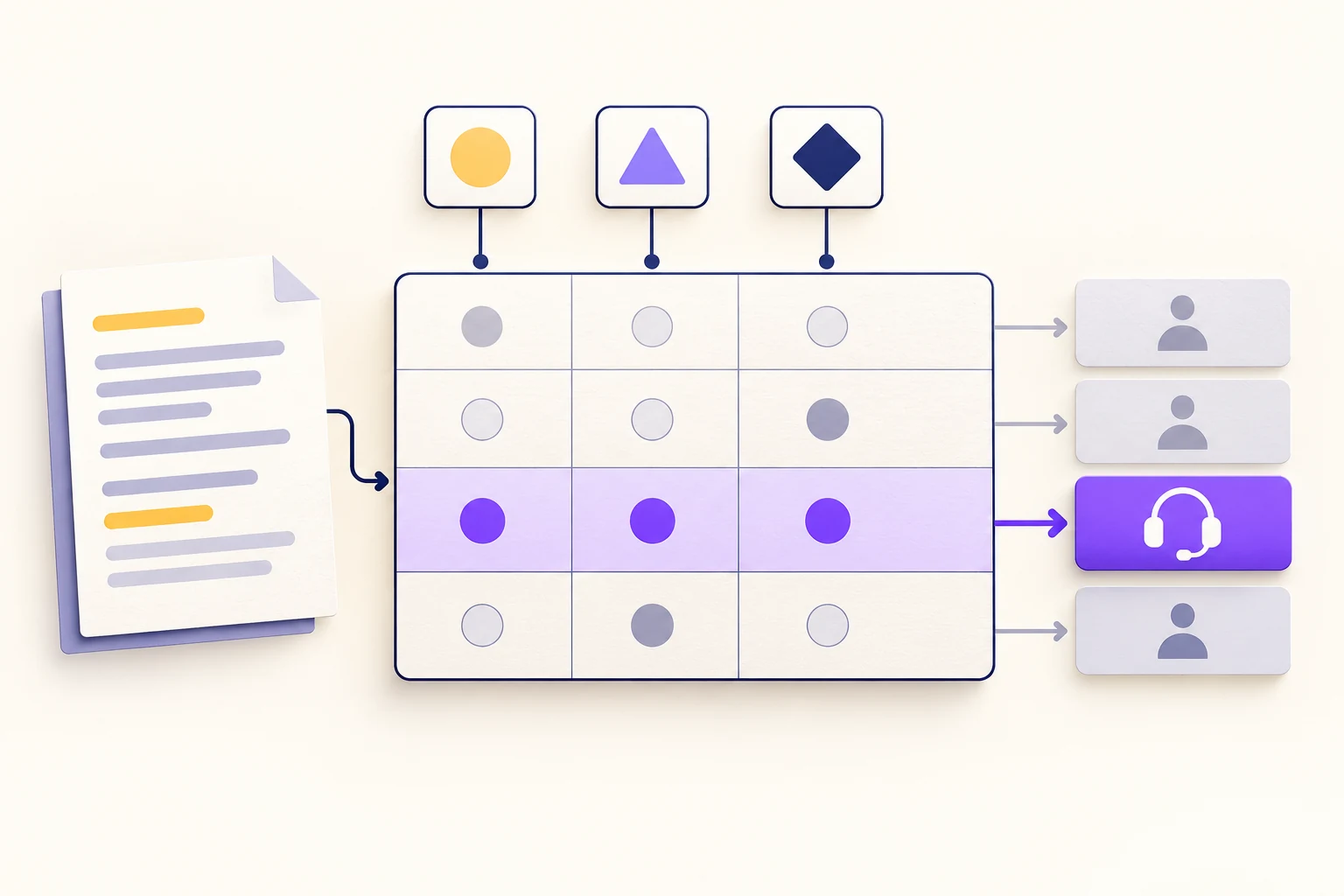
Read articleBuild a decision table with a complete support-routing example. Define inputs, find overlapping rules, handle unknown values and test every outcome.
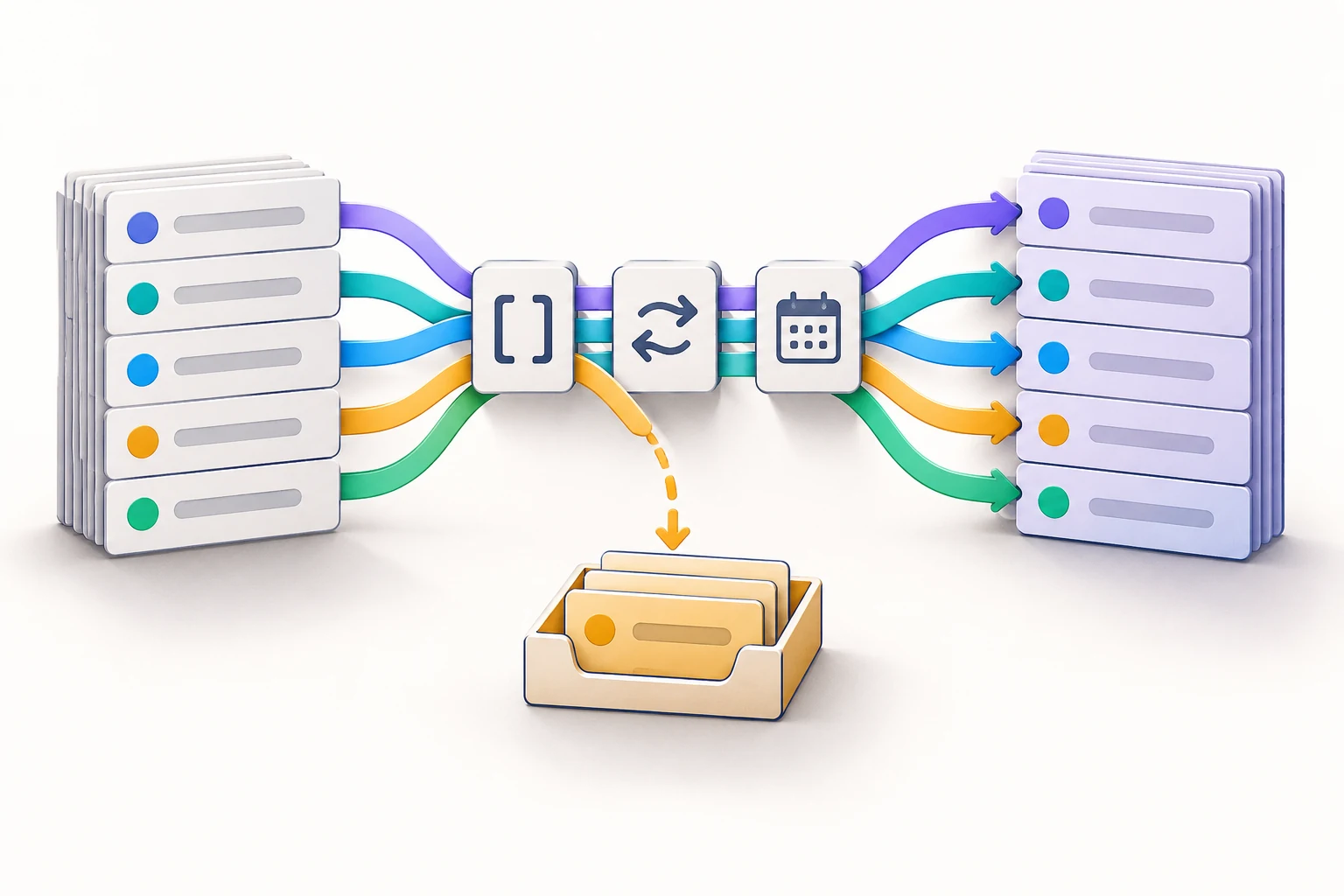
Read articlePlan a source-to-target data mapping with field rules, a complete customer-import example, duplicate handling and a reusable mapping-card template.
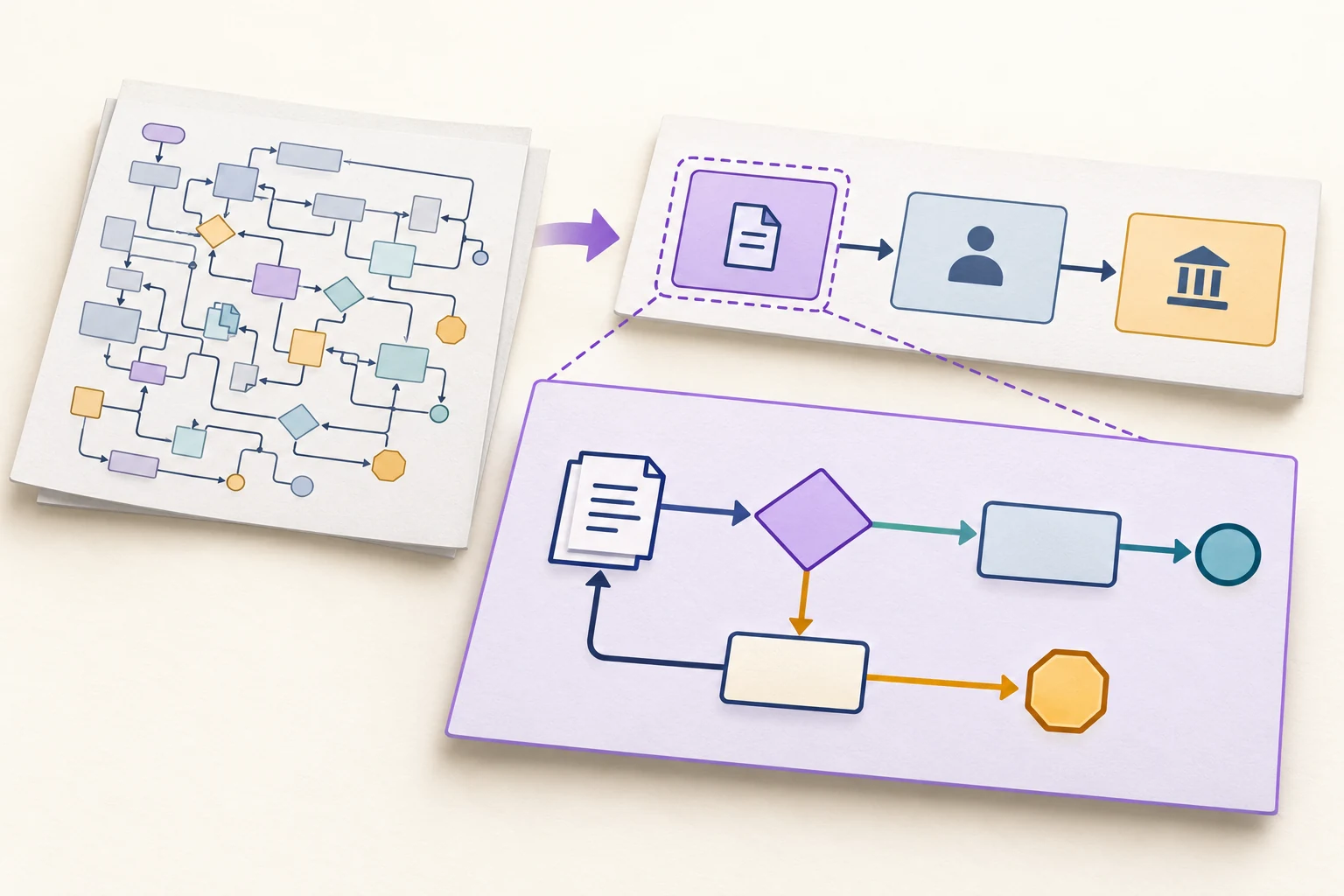
Read articleTurn a crowded flowchart into an overview and connected subprocesses. Follow an expense-request example that preserves decisions, waiting states and exits.
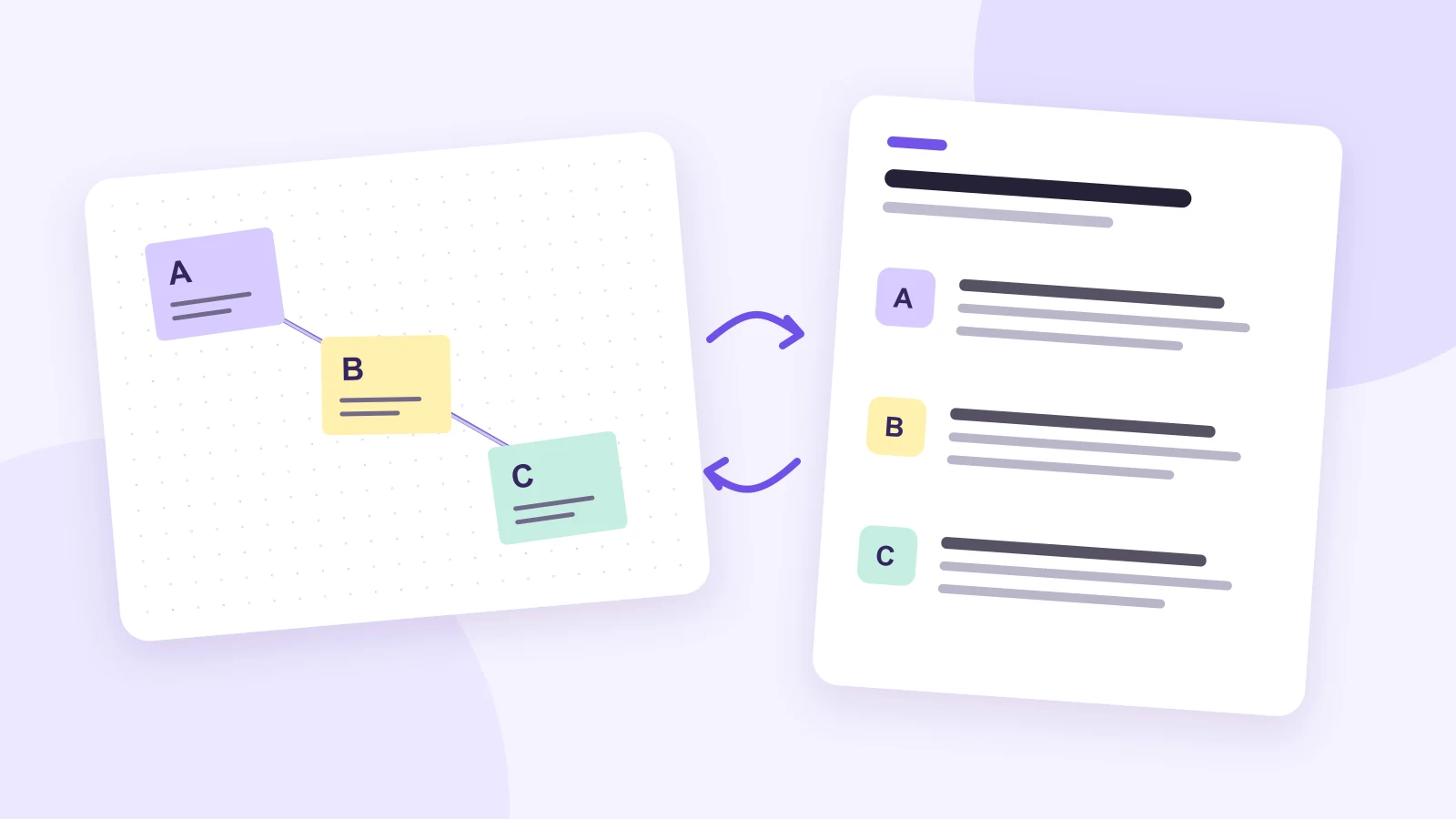
Read articleRun one discussion through a visual board and a matching text version. Use a worked support-service example to prepare materials, collect contributions and keep both versions aligned.
Read articleA practical project kickoff board that aligns a team on its outcome and boundaries, makes decision ownership visible, and records assumptions, dependencies, and the first owned next step.
Read articleTwo aligned views of a fictional jacket return show how to separate today's customer experience from a proposed redesign, without presenting assumptions as results.
Read articleA fictional camera-rental worksheet explains daily hire, optional delivery, and a membership alternative, with one booking traced across the canvas.
Read articleA worked equipment request explains what to submit, how to separate approval from clarification, and what purchasing needs before placing an order.
Read articleMove from separate reading notes to a thematic outline with source IDs, a completed comparison, and a reusable branch structure.
Read articleReplace a long flow line with matching references. Follow the same return-request process within one drawing and across two pages, without skipping its decisions.
Read articleConvert a branched idea map into a readable product brief, with a paired example and reusable outline.
Read article1,543 articles to explore, from the latest guides to the archive.
Articles 1–24 of 1,543
Follow P03’s access question from a neutral task to a tentative interpretation and a specific prototype test, with participant materials kept separate.
Read articleA reusable readiness checklist and appointment-service example show what blocks RC3 and what evidence the next review needs.
Read articleUse a filled report-portal example and reusable fields to track risks, assumptions, issues and dependencies without losing their relationships.
Read articleA reusable remote-workshop agenda layout that keeps instructions, contributions and decisions together.
Read articleA four-zone canvas layout for concise, evidence-based weekly project reviews.
Read articleA practical sprint-planning canvas for making scope, constraints and unresolved questions visible before work starts.
Read articleUse an evidence wall to separate different user contexts from unresolved contradictions, then choose the next observation that could change your interpretation.
Read articleStop mixed workshop notes from turning guesses into commitments. Use four clear labels, source references and a worked example to make the meaning of each note visible.
Read articleKeep an online workshop moving when the facilitator changes. A first-week onboarding example shows how to pass the current state, open questions and next instruction to a colleague.
Read articleMake asynchronous design feedback easier to use. Package a specific version, focus reviewers on clear questions, and explain which comments change the next version.
Read articleBuild a short presentation route through a working board. Use a handoff-review example to choose evidence, improve readability, and record the audience's decision.
Read articleMake project expectations and concerns easier to discuss. Use a knowledge-base kickoff example to turn broad notes into clear questions and working commitments.
Read articleReview several project proposals without a long presentation queue. Set up exhibits, rotate small groups, and turn specific feedback into revision decisions.
Read articleKeep useful side topics from derailing a meeting. Learn what to park, what needs attention now, and how to give each deferred question a clear next step.
Read articleTurn one order-review story into observable conditions and four scenarios, with explicit scope boundaries, sample totals, and a separate Definition of Done.
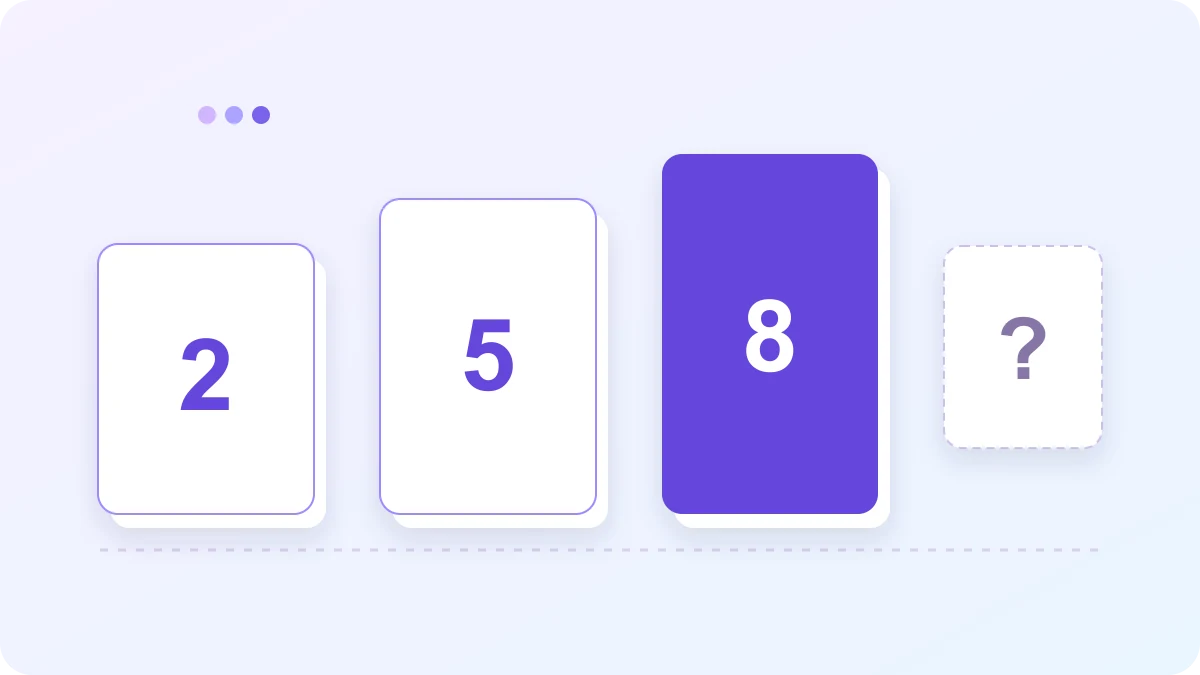
Read articleFollow a checkout team through three estimation discussions, using one point scale and reference stories to resolve disagreement without averaging votes or converting points to hours.
Read articleA complete remote workshop example: compare three onboarding improvements, use a 60-minute agenda, handle objections, and leave with a decision and handoff.
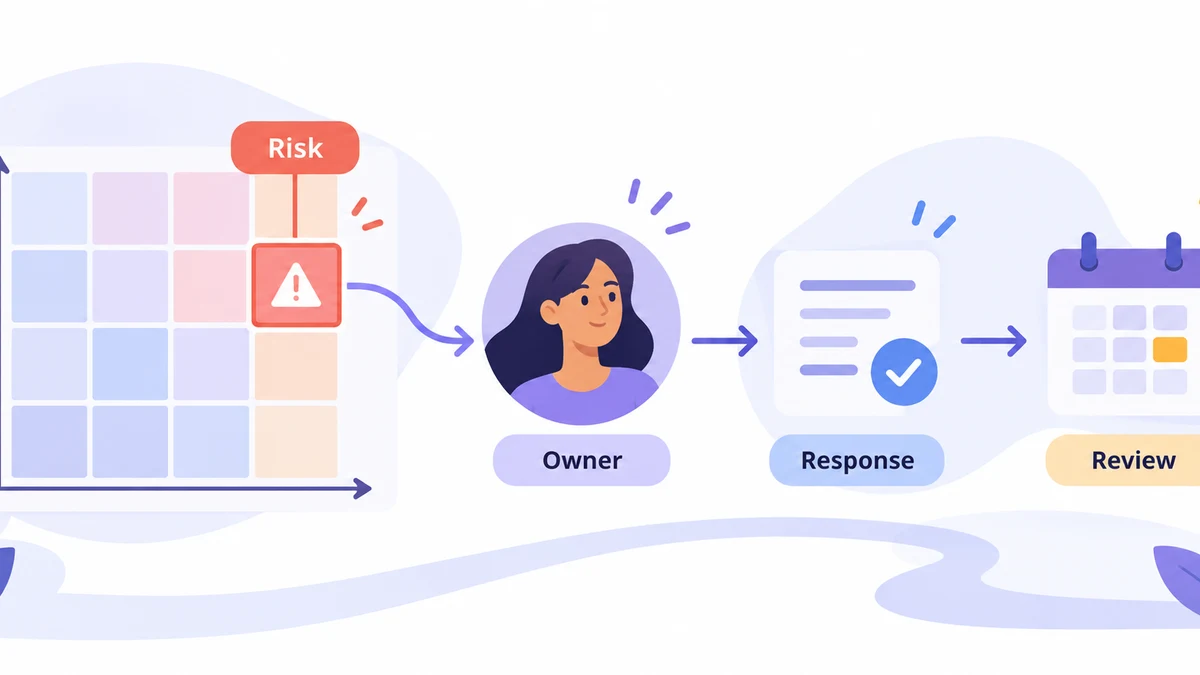
Read articleA risk matrix is useful when it changes what a team will do next. This worked example turns one release risk into a visible score, a response owner, a trigger, and a later residual-risk review. The numbers are illustrative; replace them with evidence from your release.
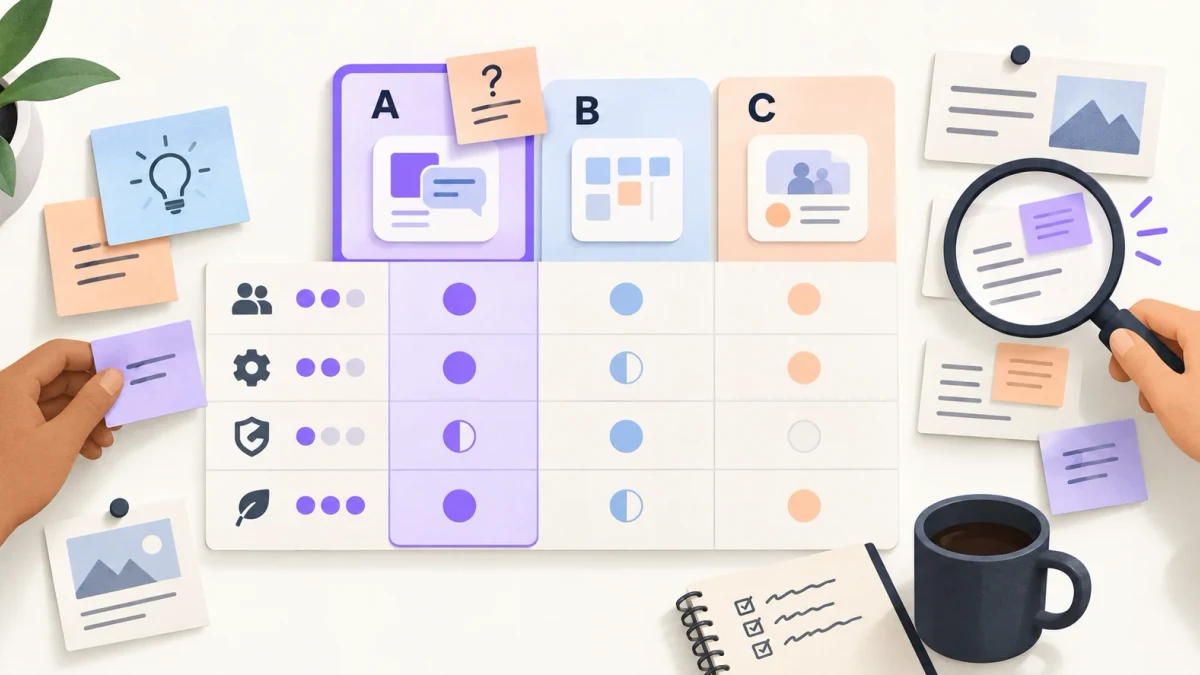
Read articleA practical decision matrix tutorial with a worked three-tool example, clear weighting and rating rules, evidence notes, gates, and a sensitivity check.
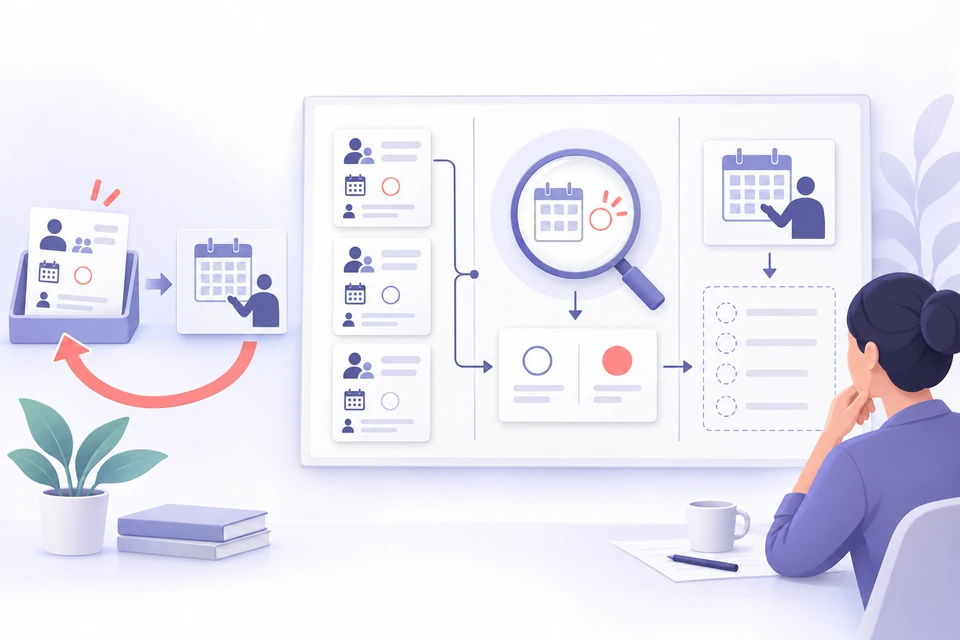
Read articleFollow a training-request handoff from unclear information to a targeted countermeasure, with evidence, measures, and an honest results-pending trial.
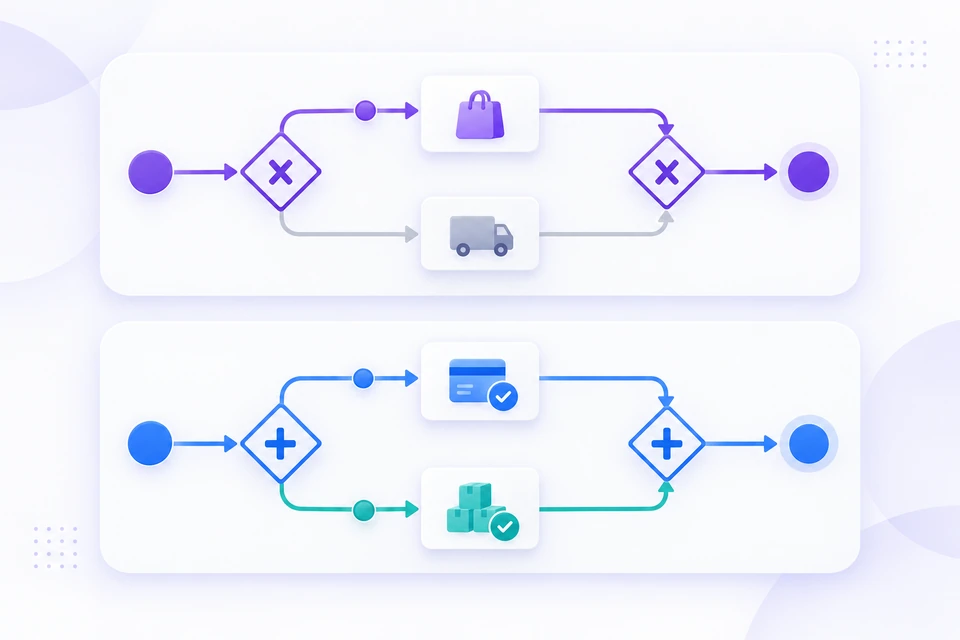
Read articleSee why pickup or delivery needs a different gateway from payment and stock checks, and how the wrong join changes the process.
Read articleTurn students and courses into a clear relational model, then handle duplicate enrollment and courses that run more than once.
Read articleA worked C4 level-one example shows what belongs around a booking platform, what to leave out, and how to label its relationships clearly.
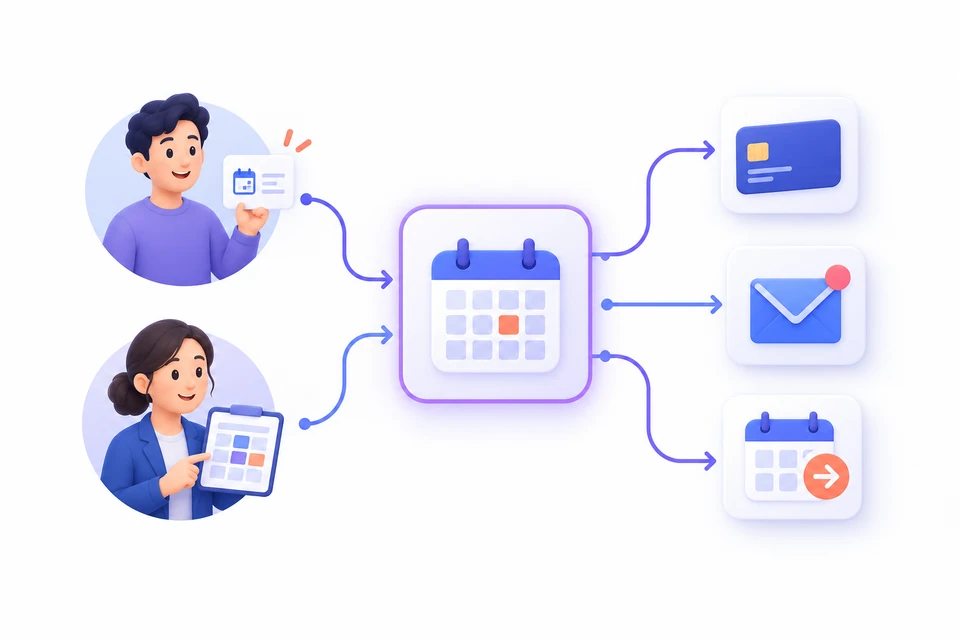
Read articleWork through a booking-reminder test card, from an observable claim to ambiguous findings and a sensible next product decision.
Read articleTry another keyword or browse all topics.
Keep exploring ideas for visual work and collaboration.
Visit the Boardmix blog